Sarich and Miele’s ‘Race: The Reality of Human Differences’: A Rare Twenty-First Century Hereditarian Take on Race Differences Published by a Mainstream Publisher and Marketed to a General Readership

Vincent Sarich and Frank Miele, Race: The Reality of Human Differences (Cambridge, MA: Westport Press 2004)

First published in 2004, ‘Race: The Reality of Human Differences’ by anthropologist and biochemist Vincent Sarich and science writer Frank Miele is that rarest of things in this age of political correctness – namely, a work of popular science presenting a hereditarian perspective on that most incendiary of topics, namely the biology of race and of racial differences.

It is refreshing that, even in this age of political correctness, at the dawn of the twenty-first century, a mainstream publisher still had the courage to publish such a work.

On first embarking on reading ‘Race: The Reality of Human Differences’ I therefore had high expectations, hoping for something approaching an updated, and more accessible, equivalent to John R Baker’s seminal Race (which I have reviewed here).

Unfortunately, however, ‘Race: The Reality of Human Differences’, while it contains much interesting material, is nevertheless, in my view, a disappointment and something of a missed opportunity.

Race and the Law

Despite their subtitle, Sarich and Miele’s primary objective in authoring ‘Race: The Reality of Human Differences’ is, it seems, not to document, or to explain the evolution of, the specific racial differences that exist between populations, but rather to defend the race concept itself.

The latter has been under attack at least since Ashley Montagu’s Man’s Most Dangerous Myth: The Fallacy of Race, first published in 1942, perhaps the first written exposition of race denial.

Thus, Sarich and Miele frame their book as a response to the then-recent PBS documentary Race: The Power of an Illusion, which, like Montagu, also espoused the by-then familiar line that human races do not exist, save as a mere illusion or social construct.

As evidence that, on the contrary, race is indeed a legitimate biological and taxonomic category, Sarich and Miele begin by discussing, not the field of biology, but rather that of law, discussing the recognition accorded the race concept under the American legal system.

They report that, in the USA:

There is still no legal definition of race; nor… does it appear that the legal system feels the need for one” (p14).

Thus, citing various US legal cases where race of the plaintiff was at issue, Sarich and Miele conclude:

The most adversarial part of our complex society [i.e. the legal system], not only continues to accept the existence of race, but also relies on the ability of the average individual to sort people into races” (p14).

Moreover, Sarich and Miele argue, not only do the courts recognise the existence of race, they also recognise its ultimate basis in biology.

Thus, in response to the claim that race is a mere social construct, Sarich and Miele cite the recognition the criminal courts accord to the evidence of forensic scientists, who can reliably determine the racial background of a criminal from microscopic DNA fragments (p19-23).

If race were a mere social construction based upon a few highly visible features, it would have no statistical correlation with the DNA markers that indicate relatedness” (p23).[1]

Indeed, in criminal investigations, Sarich and Miele observe in a later chapter, racial identification can be a literal matter of life and death.

Thus, they refer to the Baton Rouge serial killer investigation, where, in accordance with the popular, but wholly false, notion that serial killers are almost invariably white males, the police initially focussed solely on white suspects, but, after DNA analysis showed that the offender was of predominantly African descent, shifted the focus of their investigation and eventually successfully apprehended the killer, preventing further killings (p238).[2]

Another area where they observe that racial profiling can be literally a matter of life and death is the diagnosis of disease and prescribing of appropriate and effective treatment – since, not only do races differ in the prevalence, and presentation, of different medical conditions, but they also differ in their responsiveness and reactions to different forms of medication. 

However, while folk-taxonomic racial categories do indeed have a basis in real biological differences, they are surely also partly socially-constructed as well.

For example, in the USA, black racial identity, including eligibility for affirmative action programmes, is still largely determined by the same so-called one-drop-rule that also determined racial categorization during the era of segregation and Jim Crow.

This is the rule whereby a person with any detectable degree of black African ancestry, howsoever small (e.g. Barack Obama, Colin Powell), is classed as ‘African-American’ right alongside a recent immigrant from Africa of unadulterated sub-Saharan African ancestry.

This obviously has far more to do with social and political factors, and with America’s unique racial history, than it does with biology and hence shows that folk-taxonomic racial categories are indeed part ‘socially-constructed’.[3]

Similarly, the racial category Hispanic’ or ‘Latino obviously has only a distant and indirect relationship to race in the biological sense, including as it does persons of varying degrees of European, Native American and also black African ancestry.[4]

It is also unfortunate that, in their discussion of the recognition accorded the race concept by the legal system, Sarich and Miele restrict their discussion entirely to the contemporary US legal system.

In particular, it would be interesting to know how the race of citizens was determined under overtly racialist regimes, such as under the Apartheid regime in South Africa,[5] under the Nuremberg laws in National Socialist Germany,[6] or indeed under Jim Crow laws in the South in the USA itself in the early twentieth century,[7] where the stakes were, of course, so much higher.

Also, given that Sarich and Miele rely extensively in later chapters on an analogy between human races and dog breeds (what he calls the “canine comparison”: p198-203; see discussion below), a discussion of the problems encountered in drafting and interpreting so-called breed-specific legislation to control so-called ‘dangerous dog breeds’ would also have been relevant and of interest.[8]

Such legislation, in force in many jurisdictions, restricts the breeding, sale and import of certain breeds (e.g. Pit Bulls, Tosas) and orders their registration, neutering and sometimes even their destruction. It represents, then, the rough canine equivalent of the Nuremberg laws.

A Race Recognition Module?

According to Sarich and Miele, the cross-cultural universality of racial classifications suggests that humans are innately predisposed to sort humans into races.

As evidence, they cite Lawrence Hirschfeld’s finding that, at age three, children already classify people by race, and recognise both the immutable and hereditary nature of racial characteristics, giving priority to race over characteristics such as clothing, uniform or body-type (p25-7; Hirschfeld 1996).[9]

Sarich and Miele go on to also claim:

The emerging discipline of evolutionary psychology provides further evidence that there is a species-wide module in the human brain that predisposes us to sort the members of our species into groups based on appearance, and to distinguish between ‘us’ and ‘them’” (p31).

However, they cite no source for this claim, either in the main body of the text or in the associated notes for this chapter (p263-4).[10]

Certainly, Pierre van den Berghe and some other sociobiologists have argued that ethnocentrism is innate (see The Ethnic Phenomenon: reviewed here). However, van den Berghe is also emphatic and persuasive in arguing that the same is not true of racism, as such.

Indeed, since the different human races were, until recent technological advances in transportation (e.g. ships, aeroplanes), largely separated from one another by the very oceans, deserts and mountain-ranges that reproductively isolated them from one another and hence permitted their evolution into distinguishable races, it is doubtful human races have been in contact for sufficient time to have evolved a race-classification module.[11]

Moreover, if race differences are indeed real and obvious as Sarich and Miele contend, then there is no need to invoke – or indeed to evolve – a domain-specific module for the purposes of racial classification. Instead, people’s tendency to categorise others into racial groups could simply reflect domain-general mechanisms (i.e. general intelligence) responding to real and obvious differences.[12]

History of the Race Concept

After their opening chapter on ‘Race and the Law’, the authors move on to discussing the history of the race concept and of racial thought in their second chapter, which is titled ‘Race and History’.

Today, it is often claimed by race deniers that the race concept is a recent European invention, devised to provide a justification for such nefarious, but by no means uniquely European, practices as slavery, segregation and colonialism.[13]

In contrast, Sarich and Miele argue that humans have sorted themselves into racial categories ever since physically distinguishable people encountered one another, and that ancient peoples used roughly the same racial categories as nineteenth-century anthropologists and twenty-first century bigots.

Thus, Sarich and Miele assert in the title of one of their subheadings:

“[The concept of] race is as old as history or even prehistory” (p57).

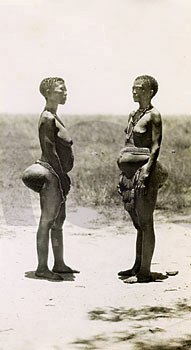
Indeed, according to Sarich and Miele, even ancient African rock paintings distinguish between Pygmies and Capoid Bushmen (p56).

Similarly, they report, the ancient Egyptians showed a keen awareness of racial differences in their artwork.

This is perhaps unsurprising since the ancient Egyptians’ core territory was located in a region where Caucasoid North Africans came into contact with black Africans from South of the Sahara through the Nile Valley, unlike in most other parts of North Africa, where the Sahara Desert represented a largely insurmountable barrier to population movement.

While not directly addressing the controversial question of the racial affinities of the ancient Egyptians, Sarich and Miele report that, in their own artwork:

The Egyptians were painted red; the Asiatics or Semites yellow; the Southerns or Negroes, black; and the Libyans, Westerners or Northerners, white, with blue eyes and fair beards” (p33).[14]

Indeed, rather than being purely artistic in intent, Sarich and Miele go further, even suggesting that at least some Egyptian artwork had an explicit taxonomic function:

“[Ancient] Egyptian monuments are not mere ‘portraits but an attempt at classification” (p33).

They even refer to what they call “history’s first [recorded] colour bar, forbidding blacks from entering Pharaoh’s domain”, namely an an Egyptian stele (i.e. stone slab functioning as a notice), which other sources describe as having been erected during the reign of Pharaoh Sesostris III (1887-1849 BCE) at Semna near the Second Cataract of the Nile, part of the inscription of which reads, in part:

No Negro shall cross this boundary by water or by land, by ship or with his flocks, save for the purpose of trade or to make purchases in some post” (p35).[15]

Sarich and Miele also interpret the famous caste system of India as based ultimately in racial difference, the lighter complexioned invading Indo-Aryans establishing the system to maintain their dominant social position and their racial integrity vis à vis the darker-complexioned indigenous Dravidian populations whom they conquered and subjugated.

Thus, Sarich and Miele claim:

The Hindi word for caste is varna. It means color (that is, skin color), and it is as old as Indian history itself” (p37).[16]

There is indeed evidence of racial prejudice and notions of racial supremacy in the earliest Hindu texts. For example, in the Rigveda, thought to be the earliest of ancient Hindu texts:

The god of the Aryas, Indra, is described as ‘blowing away with supernatural might from earth and from the heavens the black skin which Indra hates.’ The dark people are called ‘Anasahs’—noseless people—and the account proceeds to tell how Indra ‘slew the flat-nosed barbarians.’ Having conquered the land for the Aryas, Indra decreed that the foe was to be ‘flayed of his black skin’” (Race: The History of an Idea in America: p3-4).[17]

Indeed, higher caste groups have relatively lighter complexions than lower caste groups residing in the same region of India even today (Jazwal 1979Mishra 2017).

However, most modern Indologists reject the notion that the term ‘varna’ was originally coined in reference to differences in skin colour and instead argue that colour was simply used as a method of classification, or perhaps in reference to clothing.[18]

According to Sarich and Miele, ancient peoples also believed races differed, not only in morphology, but also in psychology and behaviour.

In general, ancient civilizations regarded their own race’s characteristics more favourably than those of other groups. This, Sarich and Miele suggest, reflected, not only ethnocentrism, which is, in all probability, a universal human trait, but also the fact that great civilizations of the sort that leave behind artwork and literature sophisticated enough to permit moderns to ascertain their views on race did indeed tend to be surrounded by less advanced neighbours (p56).

In the vast majority of cases, their opinions of other peoples, including the ancestors of the Western Europeans who supposedly ‘invented’ the idea of race, are far from flattering, at times matching modern society’s most derogatory stereotypes” (p31).

Thus, Thomas F Gossett, in his book Race: The History of an Idea in America, reports that:

Historians of the Han Dynasty in the third century B.C. speak of a yellow-haired and green-eyed barbarian people in a distant province ‘who greatly resemble monkeys from whom they are descended’” (Race: The History of an Idea in America: p4).

Indeed, the views expressed by the ancients regarding racial differences, or at least those examples quoted by Sarich and Miele, are also often disturbingly redolent of modern racial stereotypes.

Thus, in ancient Roman and Greek art, Sarich and Miele report:

“Black males are depicted with penises larger than those of white figures” (p41).

Likewise, during the Islamic Golden Age, Sarich and Miele report that:

Islamic writers… disparaged black Africans as being hypersexual yet also filled with simple piety, and with a natural sense of rhythm” (p53).

Similarly, the Arab polymath Al Masudi is reported to have quoted the Roman physician-philosopher Galen, as claiming blacks possess, among other attributes:

A long penis and great merriment… [which] dominates the black man because of his defective brain whence also the weakness of his intelligence” (p50).

From these and similar observations, Sarich and Miele conclude:

European colonizers did not construct race as a justification for slavery but picked up an earlier construction of Islam, which took it from the classical world, which in turn took it from ancient Egypt” (p50).

The only alternative, they suggest, is the obviously implausible suggestion that:

Each of these civilisations independently ‘constructed’ the same worldview, and that the civilisations of China and India independently ‘constructed’ similar worldviews, even though they were looking at different groups of people” (p50).

There is, of course, another possibility the authors never directly raise, but only hint at – namely, perhaps racial stereotypes remained relatively constant because they reflect actual behavioural differences between races that themselves remained constant simply because they reflect innate biological dispositions that have not changed significantly over historical time.

Race, Religion, Science and Slavery

Sarich and Miele’s next chapter, ‘Anthropology as the Science of Race’, continues their history of racial thought from biblical times into the age of science – and of pseudo-science.

They begin, however, not with science, or even with pseudo-science, but rather with the Christian Bible, which long dominated western thinking on the subject of race, as on so many other subjects.

At the beginning of the chapter, they quote from John Hartung’s controversial essay, Love Thy Neighbour: The Evolution of In-Group Morality, which was first published in the science magazine, Skeptic (p60; Hartung 1995).

However, although the relevant passages appear in quotation marks, neither Hartung himself, nor his essay is directly cited, and, where I not already familiar with this essay, I would be none the wiser as to where this series of quotations had actually been taken from.[19]

In the passage quoted, Hartung, who, in addition to being an anaesthesiologist, anthropologist and human sociobiologist, known for his pioneering cross-cultural studies of human inheritance patterns, is also something of an amateur (atheist) biblical scholar, argues that Adam, in the Biblical account of creation, is properly to be interpreted, not as the first human, but rather only as the first Jew, the implication being that, and the confusion arising because, in the genocidal weltanschauung of the Old Testament, non-Jews are, at least according to Hartung, not really to be considered human at all.[20]

This idea seems to have originated, or at least received its first full exposition, with theologian Isaac La Peyrère, whom Sarich and Miele describe only as a “Calvinist”, but who, perhaps not uncoincidentally, is also widely rumoured to be of Sephardi converso or even crypto-Jewish marrano ancestry.

Thus, Sarich and Miele conclude:

The door has always been open—and often entered—by any individual or group wanting to confine ‘adam’ to ‘us’ and to exclude ‘them’” (p60).

This leads to the heretical notion of the pre-Adamites, which has also been taken up by such delightfully bonkers racialist religious groups as the Christian Identity movement.[21]

However, mainstream western Christianity always rejected this notion.

Thus, whereas today many leftists associate atheism, the Enlightenment and secularism with anti-racist views, historically there was no such association.

On the contrary, Sarich and Miele emphasize, it was actually polygenism – namely, the belief that the different human races had separate origins, a view that naturally lent itself to racialism – that was associated with religious heresy, free-thinking and the Enlightenment.

In contrast, mainstream Christianity, of virtually all denominations, has always favoured monogenism – namely, the belief that, for all their perceived differences, the various human races nevertheless shared a common origin – as this was perceived as congruent with (the orthodox interpretation of) the Old Testament of the Bible.

Thus, for example, both Voltaire and David Hume identified as polygenists – and, although their experience with and knowledge of black people was surely minimal and almost entirely second-hand, each also both expressed distinctly racist views regarding the intellectual capacities of black Africans.

Moreover, although the emerging race science, and cranial measurements, of the nineteenth century American School’ of anthropology is sometimes credited with lending ideological support to the institution of slavery in the American South, or even as being cynically formulated precisely in order to defend this institution, in fact Southern slaveholders had little if any use for such ideas.

After all, the American South, as well as being a stronghold of slavery, racialism and white supremacist ideology, was also, then as now, the Bible Belt – i.e. a bastion of intense evangelical Protestant Christian fundamentalism.

But the leading American School anthropologists, such as Samuel Morton and Josiah Nott, were all heretical polygenists.

Thus, rather than challenge the orthodox interpretation of the Bible, Southern slaveholders, and their apologists, preferred to defend slavery by invoking, not the emerging secular science of anthropology, but rather Biblical doctrine.

In particular, they sought to justify slavery by reference to the so-called curse of Ham, an idea which derives from Genesis 9:22-25, a very odd passage of the Old Testament (odd even by the standards of the Old Testament), which was almost certainly not originally intended as a reference to black people.[22]

Thus, the authors quote historian William Stanton, who, in his book The Leopard’s Spots: Scientific Attitudes Toward Race in America 1815-59 concludes that, by rejecting polygenism and the craniology of the early American physical anthropologists:

The South turned its back on [what was by the scientific standards of the time] the only intellectually respectable defense of slavery it could have taken up” (p77)

As for Darwinism, which some creationists also claim was used to buttress slavery, Darwin’s On the Origin of Species was only published in 1959, just a couple of years before the Emancipation Proclamation of 1862 and final abolition of slavery in North America and the English-speaking world.[23]

Thus, if Darwinian theory was ever used to justify the institution of slavery, it clearly wasn’t very effective in achieving this end.

Into the ‘Age of Science’ – and of Pseudo-Science

The authors continue their history of racial thinking by tracing the history of the discipline of anthropology, from its beginnings as ‘the science of race’, to its current incarnation as the study of culture (and, to a lesser extent, of human evolution), most of whose practitioners vehemently deny the very biological reality of race, and some of whom deny even the possibility of anthropology being a science.

Giving a personal, human-interest focus to their history, Sarich and Miele in particular focus on three scientific controversies, and personal rivalries, each of which were, they report, at the same time scientific, personal and political (p59-60). These were the disputes between, respectively:

1) Ernst Haeckel and Rudolf Virchow;

2) Franz Boas and Madison Grant; and

3) Ashley Montagu and Carleton Coon.

The first of these rivalries, occurring as it did in Germany in the nineteenth century, is perhaps of least interest to contemporary North American audiences, being the most remote in both time and place.

However, the outcomes of the latter two disputes, occurring as they did in twentieth century America, are of much greater importance, and their outcome gave rise to, and arguably continues to shape, the current political and scientific consensus on racial matters in America, and indeed the western world, to this day.

Interestingly, these two disputes were not only about race, they were also arguably themselves racial, or at least ethnic, in character.

Thus, perhaps not uncoincidentally, whereas both Grant and Coon were Old Stock American patrician WASPs, the latter proud to trace his ancestry back among the earliest British settlers of the Thirteen Colonies, both Boas and Montagu were recent Jewish immigrants from Eastern Europe.[24]

Therefore, in addition to being personal, political and scientific, these two conflicts were also arguably racial, and ultimately indirectly concerned with the very definition of what it meant to be an ‘American’.

The victory of the Boasians was therefore both coincident with, and arguably both heralded and reflected (and perhaps even contributed towards, or, at least, was retrospectively adopted as a justification for), the displacement of Anglo-Americans as the culturally, socially, economically and politically dominant ethnic group in the USA, the increasing opening up of the USA to immigrants of other races and ethnicities, and the emergence of a new elite, no longer composed exclusively, or even predominantly, of people of any single specific ethnic background, but increasingly overwhelmingly disproportionately Jewish.

Sarich and Miele, to their credit, do not entirely avoid addressing the ethnic dimension to these disputes. Thus, they suggest that Boas and Montagu’s perception of themselves as ethnic outsiders in Anglo-America may have shaped their theories (p89-90).[25]

However, this is topic is explored more extensively by Kevin Macdonald in the second chapter of his controversial, anti-Semitic and theoretically flawed, The Culture of Critique (which I have reviewed here).

Boas, and his student Montagu, were ultimately to emerge victorious, not so much on account of the strength of their arguments, as on the success of their academic politicking, in particular Boas’s success in training students, including Montagu himself, who would go on to take over the social science departments of universities across America.

Among these students were many figures who were to become even more famous, and arguably more directly influential, than Boas himself, including, not only Montagu, but also Ruth Benedict and, most famous of all, the anthropologically inept Margaret Mead.[26]

Nevertheless, Sarich and Miele trace the current consensus, and sacrosanct dogma, of race-denial ultimately to Boas, whom they credit with effectively inventing anew the modern discipline of anthropology as it exists in America:

It is no exaggeration to say that Franz Boas (1858-1942) remade American anthropology in his own image. Through the influence of his students, Margaret Mead (Coming of Age in Samoa and Sex and Temperament in Three [Primitive] Societies[sic]), Ruth Benedict (Patterns of Culture) and Ashley Montagu (innumerable titles, especially the countless editions of Man’s Most Dangerous Myth) Boas would have more influence on American intellectual thought than Darwin did. For generations hardly anyone graduated an American college without having read at least one of these books” (p86).

Thus, today, Boas is regarded as the father of American anthropology, whereas both Grant and Coon are mostly dismissed (in Coon’s case, unfairly) as pseudo-scientists and racists.

The Legacy of Boas

As to whether the impact of Boas and his disciples was, on balance, a net positive or a net negative, Sarich and Miele are ambivalent:

The cultural determinism of the Boasians served as a useful corrective to the genetic determinism of racial anthropology, emphasizing the variation within races, the overlap between them and the plasticity of human behavior. The price, however, was the divorcing of the science of man from the science of life in general. The evolutionary perspective was abandoned, and anthropology began its slide into the abyss of deconstructionism” (p91).

My own view is more controversial: I have come to believe that the influence of Boas on American anthropology has been almost entirely negative.

Admittedly, the Nodicism of his rival, Grant, was indeed a complete non-starter. After all, civilization actually came quite late to Northern Europe, originating in North Africa, the Middle East and South Asia, arriving in Northern Europe much later, by way the Mediterranean region.

However, this view is arguably no less preposterous than the racial egalitarianism that currently prevails as a sacrosanct contemporary dogma, and which holds that all races are exactly equal in all abilities, which, quite apart from being contradicted by the evidence, represents a manifestly improbable outcome of human evolution.

Moreover, Nordicism may have been bad science, but it was at least science – or at least purported to be science – and hence was susceptible to falsification, and was indeed soon to be decisively falsified by pre-war and post-war rise of Japan among other events and indeed scientific findings.

In contrast, as persuasively argued by Kevin Macdonald in The Culture of Critique (which I have reviewed here), Boasian anthropology was not so much a science as an anti-science (not theory but an “anti-theory” according to Macdonald: Culture of Critique: p24), because, in its radical cultural determinism and cultural relativism, it rejected any attempt to develop a general theory of societal evolution, or societal differences, as premature, if not inherently misguided.

Instead, the Boasians endlessly emphasized, and celebrated (and indeed  sometimes exaggerated and fabricated), “the vast diversity and chaotic minutiae of human behavior”, arguing that such diversity precluded any general theory of social evolution as had formerly been favoured, let alone any purported ranking of societies and cultures (let alone races) as superior or inferior in relation to one another.

The Boasians argued that general theories of cultural evolution must await a detailed cataloguing of cultural diversity, but in fact no general theories emerged from this body of research in the ensuing half century of its dominance of the profession… Because of its rejection of fundamental scientific activities such as generalization and classification, Boasian anthropology may thus be characterized more as an anti-theory than a theory of human culture” (Culture of Critique: p24).

The result was that behavioural variation between groups, to the extent there was any attempt to explain it at all, was attributed to culture. Yet, as evolutionary psychologist David Buss, writes:

“[P]atterns of local within-group similarity and between-group differences are best regarded as phenomena that require explanation. Transforming these differences into an autonomous causal entity called ‘culture’ confuses the phenomena that require explanation with a proper explanation of those phenomena. Attributing such phenomena to culture provides no more explanatory power than attributing them to God, consciousness, learning, socialization, or even evolution, unless the causal processes that are subsumed by these labels are properly described. Labels for phenomena are not proper causal explanations for them” (Evolutionary Psychology: p411).

To attribute all cultural differences simply to culture and conclude that that is an adequate explanation is to imply that all cultural variation is simply random in nature. This amounts to effectively accepting the null hypothesis as true and ruling out a priori any attempt to generate a causal framework for explaining, or making predictions regarding, cultural differences. It therefore amounts, not to science, but to an outright rejection of science, or at least of applying science to human cultural differences, in favour of obscurantism.

Meanwhile, under the influence of postmodernism (i.e. “the abyss of deconstructionism” to which Sarich and Miele refer) much of cultural anthropology has ceased even pretending to be a science, dismissing all knowledge, science included, as mere disguised ideology, no more or less valid than the religious cosmologies, eschatologies and creation myths of the scientific and technologically primitive peoples whom anthropologists have traditionally studied, and hence precluding the falsification of post-modernist claims, or indeed any other claims, a priori.

Moreover, contrary to popular opinion, the Nordicism of figures such as Grant seems to have been rather less dogmatically held to, both in the scientific community and society at large, than is the contemporary dogma of racial egalitarianism.

Indeed, quite apart from the fact that it was not without eminent critics even in its ostensible late-nineteenth, early-twentieth century heyday (not least Boas himself), the best evidence for this is the speed with which this belief system was abandoned, and subsequently demonized, in the coming decades.

In contrast, even with the findings of population genetics increasing apace, the dogmas of both race denial and racial egalitarianism, while increasingly scientifically indefensible, seemingly remain ever more entrenched in the universities.

Digressions: ‘Molecular Clocks’, Language and Human Evolution

Sarich and Miele’s next chapter, ‘Resolving the Primate Tree’, recounts how the molecular clock method of determining when species (and races) diverged was discovered.

To summarize: Geneticists discovered they could estimate the time when two species separated from one another by measuring the extent to which the two species differ in selectively-neutral genetic variation – in other words, those parts of the genome that do not affect an organism’s phenotype in such a way as to affect its fitness, are therefore not subject to selection pressures and hence mutate at a uniform rate, hence serving as a ‘clock’ by which to measure when the species separated from one another.

The following chapter, ‘Homo Sapiens and Its Races’, charts the application of the ‘molecular clock’ method to human evolution, and in particular to the evolution of human races.

The molecular clock method of dating the divergence of species from one another is certainly relevant to the race question, since it allows us to estimate, not only when our ancestors split from those of the chimpanzee, but also when different human races separated from one another – though this latter question is somewhat more difficult to determine using this method, since it is complicated by the fact that races can continue to interbreed with one another even after their initial split, whereas species, once they have become separate species, by definition no longer interbreed, though there may be some interbreeding during the process of speciation itself (i.e. when the separate lineages were still only races or populations of the same species).

However, devoting a whole chapter to a narrative describing how the molecular clock methodology was developed seems excessive in a book ostensibly about human race differences, and is surely an unnecessary digression.

Thus, one suspects the attention devoted to this topic by the authors reflects the central role played by one of the book’s co-authors (Vincent Sarich) in the development of this scientific method. This chapter therefore permits Sarich to showcase his scientific credentials and hence lends authority to his later more controversial pronouncements in subsequent chapters.

The following chapter, ‘The Two Miracles that Made Mankind’, is also somewhat off-topic. Here, Sarich and Miele address the question of why it was that our own African ancestors who ultimately outcompeted and ultimately displaced rival species of hominid.[27]

In answer, they propose, plausibly but not especially originally, that our descendants outcompeted rival hominids on account of one key evolutionary development in particular – namely, our evolution of a capacity for spoken language.

Defining ‘Race

At last, in Chapters Seven and Eight, after a hundred and sixty pages and over half of the entire book, the authors address the topic which the book’s title suggested would be its primary focus – namely, the biology of race differences.

The first of these is titled ‘Race and Physical Differences’, while the next is titled ‘Race and Behavior’.

Actually, however, both chapters begin by defending the race concept itself.

Whether the human race is divisible into races ultimately depends on how one defines ‘races’. Arguments are to whether human races exist therefore often degenerate into purely semantic disputes regarding the meaning of the word ‘race.

For their purposes, Sarich and Miele themselves define ‘races as:

Populations, or groups of populations, within a species, that are separated geographically from other such populations or groups of populations and distinguishable from them on the basis of heritable features” (p207).[28]

There is, of course, an obvious problem with this definition, at least when applied to contemporary human populations – namely, members of different human races are often no longer “separated geographically” from one another, largely due to recent migrations and population movements.

Thus, today, people of many different racial groups can be found in a single city, like, say, London.

However, the key factor is surely, not whether racial groups remain “separated geographically” today, but rather whether they were “separated geographically” during the period during which they evolved into separate races.

To answer this objection, Sarich and Miele’s definition of ‘races’ should be altered accordingly.

Races as Fuzzy Sets

Sarich and Miele protest that other authors have, in effect, defined races out of existence by semantic sophistry, namely by defining the word ‘race’ in such a way as to rule out the possibility of races a priori.

Thus, some proposed definitions demand that, in order to qualify as true ‘races’, populations must have discrete, non-overlapping boundaries, with no racially-mixed, clinal or hybrid populations to blur the boundaries.

However, Sarich and Miele point out, any populations satisfying this criterium would not be ‘races’ at all, but rather entirely separate species, since, as I have discussed previously, it is the question of interfertility and reproductive isolation that defines a species (p209).[29]

In short, as biologist John Baker, in his excellent Race (reviewed here), also pointed out, since ‘race’ is, by very definition, a sub-specific classification, it is inevitable that members of different races will sometimes interbreed with one another and produce mixed, hybrid or clinal populations at their borders, because, if they did not interbreed with one another, then they would not be members of different races but rather of entirely separate species.

Thus, the boundaries between subspecies are invariably blurred or clinal in nature, the phenomenon being so universal that there is even a biological term for it, namely intergradation.

Of course, this means that the dividing line where one race is deemed to begin and another to end will inevitably be blurred. However, Sarich and Miele reject the notion that this means races are purely artificial or a social construction.

The simple answer to the objection that races are not discrete, blending into one another as they do is this: They’re supposed to blend into one another and categories need not be discrete. It is not for us to impose our cognitive difficulties upon the Nature.” (p211)

Thus, they characterize races as fuzzy sets – which they describe as a recently developed mathematical concept that has nevertheless been “revolutionarily productive” (p209).

By analogy, they discuss our colour perception when observing rainbows, observing:

Red… shade[s] imperceptibly into orange and orange into yellow but we have no difficulties in agreeing as to where red becomes orange, and orange yellow” (p208-9).

However, this is perhaps an unfortunate analogy. After all, physicists and psychologists are in agreement that different colours, as such, don’t really exist – at least not outside of the human minds that perceive and recognise them.[30]

Instead, the electromagnetic spectrum varies continuously. Colours are imposed on only by human visual system as a way of interpreting this continuous variation.[31]

If racial differences were similarly continuous, then surely it would be inappropriate to divide peoples into racial groups, because wherever one drew the boundary would be entirely arbitrary.[32]

Yet a key point about human races is that, as Sarich and Miele put it:

“[Although] races necessarily grade into one another, but they clearly do not do so evenly” (p209).

In other words, although racial differences are indeed clinal and continuous in nature, the differentiation does not occur at a constant and uniform rate. Instead, there is some clustering and definite if fuzzy boundaries are nevertheless discernible.

As an illustration of such a fuzzy but discernible boundary, Sarich and Miele give the example of the Sahara Desert, which formerly represented, and to some extent still does represent, a relatively impassable obstacle (a “a geographic filter”, in Sarich and Miele’s words: p210) that impeded population movement and hence gene flow for millennia.

The human population densities north and south of the Sahara have long been, and still are, orders of magnitude greater than in the Sahara proper, causing the northern and southern units to have evolved in substantial genetic independence from one another” (p210).

The Sahara hence represented the “ancient boundary” between the racial groups once referred to by anthropologists as the Caucasoid and Negroid races, politically incorrect terms which, according to Sarich and Miele, although unfashionable, nevertheless remain useful (p209-10).

Analogously, anthropologist Stanley Garn reports:

The high and uninviting mountains that mark the Tibetan-Indian border… have long restricted population exchange to a slow trickle” (Human Races: p15).

Thus, these mountains (the Himalayas and Tibetan Plateau), have traditionally marked the boundary between the Caucasoid and what was once termed the Mongoloid race.[33]

Meanwhile, other geographic barriers were probably even more impassable. For example, oceans almost completely prevented gene-flow between the Americas and the Old World, save across the Berring strait between sparsely populated Siberia and Alaska, for millennia, such that Amerindians remained almost completely reproductively isolated from Eurasians and Africans.

Similarly, genetic studies suggest that Australian Aboriginals were genetically isolated from other populations, including neighbouring South-East Asians and Polynesians, for literally thousands of years.

Thus, anthropologist Stanley Garn concludes:

The facts of geography, the mountain ranges, the deserts and the oceans, have made geographical races by fencing them in” (Human Races: p15).

However, with improved technologies of transportation – planes, ocean-going vessels, other vehicles – such geographic boundaries are becoming increasingly irrelevant.

Thus, increased geographic mobility, migration, miscegenation and intermarriage mean that the ‘fuzzy’ boundaries of these fuzzy sets are fast becoming even ‘fuzzier’.

Thus, if meaningful boundaries could once be drawn between races, and even if they still can, this may not be the case for very much longer.

However, it is important to emphasize that, even if races didn’t exist, race differences still would. They would just vary on a continuum (or a cline, to use the preferred biological term).

To argue that races differences do not exist simply because they are continuous and clinal in nature would, of course, be to commit a version of the continuum fallacy or sorties paradox, also sometimes called the fallacy of the heap or fallacy of the beard.

Moreover, just as populations differ in, for example, skin colour on a clinal basis, so they could also differ in psychological traits (such as average intelligence and personality) in just the same way.

Thus, paradoxically, the non-existence of human races, even if conceded for the sake of argument, is hardly a definitive, knock-down argument against the existence of innate race differences in intelligence, or indeed other racial differences, even though it is usually presented as such by those who espouse this view.

Whether ‘races’ exist is debatable and depends on precisely how one defines ‘races’—whether race differences exist, however, is surely beyond dispute.

Debunking Diamond

The brilliant and rightly celebrated scientific polymath and popular science writer Jared Diamond, in an influential article published in Discovery magazine, formulated another even less persuasive objection to the race concept as applied to humans (Diamond 1994).

Here, Diamond insisted that racial classifications among humans are entirely arbitrary, because different populations can be grouped into different ways if one uses different characteristics by which to group them.

Thus, if we classified races, not by skin colour, but rather by the prevalence of the sickle cell gene or of lactase persistence, then we would, he argues, arrive at very different classifications. For example, he explains:

Depending on whether we classified ourselves by antimalarial genes, lactase, fingerprints or skin color, we could place Swedes in the same race as (respectively) either Xhosas, Fulani, the Ainu of Japan or Italians” (p164).

Each of these classifications, Diamond insists, would be “equally reasonable and arbitrary” (p164).

To these claims, Sarich and Miele respond:

Most of us, upon reading these passages, would immediately sense that something was very wrong with it, even though one might have difficulty specifying just what” (p164).

Unfortunately, however, Sarich and Miele are, in my view, not themselves very clear in explaining precisely what is wrong with Diamond’s argument.

Thus, one of Sarich and Miele’s grounds for rejecting this argument is that:

The proportion of individuals carrying the sickle-cell allele can never go above about 40 percent in any population, nor does the proportion of lactose-competent adults in any population ever approach 100 percent. Thus, on the basis of the sickle-cell gene, there are two groups… of Fulani, one without the allele, the other with it. So those Fulani with the allele would group not with other Fulani, but with Italians with the allele” (p165).

Here their point seems to be that it is not very helpful to classify races by reference to a trait that is not shared by all members of any race, but rather differs only in relative prevalence.

Thus, they conclude:

The concordance issue… applies within groups as well as between them. Diamond is dismissive of the reality of the FulaniXhosas African racial unit because there are characters discordant with it [e.g. lactase persistence]… Well then, one asks in response, what about the Fulani unit itself? After all, exactly the same argument could be made to cast the reality of the category ‘Fulani’ into doubt” (p165).

However, this conclusion seems to represent exactly what many race deniers do indeed argue – namely that all racial and ethnic groups are indeed pure social constructs with no basis in biology, including terms such as ‘Fulani’ and ‘Italian’, which are, they would argue, as biologically meaningless and socially constructed as terms such as ‘Negroid’ and ‘Caucasoid’.[34]

After all, if a legitimate system of racial classification indeed demands that some Fulani tribesmen be grouped in the same race as Italians while others are grouped in an entirely different racial taxa, then this does indeed seem to suggest racial classifications are arbitrary and unhelpful.

Moreover, the fact that there is much within-population variation in genes such as those coding for sickle-cell or lactase persistence surely only confirms Richard Lewontin’s famous argument (see below) that there is far more genetic variation within groups than between them.

Sarich and Miele’s other rejoinder to Diamond is, in my view, more apposite. Unfortunately, however, they do not, in my opinion, explain themselves very well.

They argue that:

“[The absence of the sickle-cell gene] is a meaningless association because the character involved (the lack of the sickle-cell allele) is an ancestral human condition. Associating Swedes and Xhosas thus says only that they are both human, not a particularly profound statement” (p165).

What I think Sarich and Miele are getting at here is that, whereas Diamond proposes to classify groups on the basis of a single characteristic, in this case the sickle-cell gene, most biologists favour a so-called cladistic taxonomy, where organisms are grouped together not on the basis of shared characteristics as such at all, but rather on the basis of shared ancestry.

In other words, orgasms are grouped together because they are more closely related to one another (or shared a common ancestor more recently) than are other organisms that are put into a different group.

From this perspective, shared characteristics are relevant only to the extent they are (interpreted as) homologous and hence as evidence of shared ancestry. Traits that evolved independently through convergent or parallel evolution (i.e. in response to analogous selection pressures in separate lineages) are irrelevant.

Yet the genes responsible for lactase persistence, one of the traits used by Diamond to classify populations, evolved independently in different populations through gene-culture co-evolution in concert with the independent development of dairy farming in different parts of the world, an example of convergent evolution that does not suggest relatedness. Indeed, not only did lactase continuance evolve independently in different races, it also seems to have evolved quite different mutations in different genes (Tishkoff et al 2007).[35]

However, Diamond’s proposed classification is especially preposterous. Even pre-Darwinian systems of taxonomy, which did indeed classify species (and subspecies) on the basis of shared characteristics rather than shared ancestry, nevertheless did so on the basis of a whole suite of traits that were clustered together.

In contrast, Diamond proposes to classify races on the basis of a single trait, apparently chosen arbitrarily – or, more likely, to illustrate the point he is attempting to make.

Genetic Differences

In an even more influential and widely-cited paper, Marxist biologist Richard Lewontin claimed that 85% of genetic variation occurred within populations and only 6% accounted for the differences between races (Lewontin 1972).[36]

The most familiar rejoinder to Lewontin’s argument is that of Edwards who pointed out that, while Lewontin’s figures are correct when one looks at individual genetic loci, if one looks at multiple loci, then one can identify an individual’s race with precision that approaches 100% the more loci that are used (Edwards 2003).

However, Edwards’ paper was only published in 2003, just a year before ‘Race: The Reality of Human Differences’ itself came off the presses, so Sarich and Miele may not have been aware of Edwards’ critique at the time they actually wrote the book.[37]

Perhaps for this reason, then, Sarich and Miele respond rather differently to Lewontin’s arguments.

First, they point out:

“[Lewontin’s] analysis omits a third level of variability–the within-individual one. The point is that we are diploid, getting one set of chromosomes from one parent and a second from the other” (p168-9).

Thus Sarich and Miele conclude:

The… 85 percent will then split half and half (42.5%) between the intra- and inter-individual within-population comparisons. The increase in variability in between-population comparisons is thus 15 percent against the 42.5 percent that is between individual within-population. Thus, 15/4.5 = 32.5 percent, a much more impressive and, more important, more legitimate value than 15 percent.” (p169).

However, this seems to me to be just playing around with numbers in order to confuse and obfuscate.

After all, if as Lewontin claims, most variation is within-group rather than between group, then, even if individuals mate endogamously (i.e. with members of the same group as themselves), offspring will show substantial variation between the portion of genes they inherit from each parent.

But, even if some of the variation is therefore within-individual, this doesn’t change the fact that it is also within-group.

Thus, the claim of Lewontin that 85% of genetic variation is within-group remains valid.

Morphological Differences

Sarich and Miele then make what seems to me to be a more valid and important objection to Lewontin’s figures, or at least to the implication he and others have drawn from them, namely that racial differences are insignificant. Again, however, they do not express themselves very clearly.

Their argument seems to be that, if we are concerned with the extent of physiological and psychological differentiation between races, then it actually makes more sense to look directly at morphological differences, rather than genetic differences.

After all, a large proportion of our DNA may be of the nonfunctional non-coding or ‘junk’ variety, some of which may have little or no effect an organism’s phenotype.

Thus, in their chapter ‘Resolving the Primate Tree’, Sarich and Miele themselves claim that:

Most variation and change at the level of DNA and proteins have no functional consequences” (p121; p126).

They conclude:

Not only is the amount of between-population genetic variation very small by the standards of what we observe in other species… but also… most variation that does exist has no functional, adaptive significance” (p126).

Thus, humans and chimpanzees may share around 98% of each other’s DNA, but this does not necessarily mean that we are 98% identical to chimpanzees in either our morphology, or our psychology and behaviour. The important thing is what the genes in question do, and small numbers of genes can have great effects while others (e.g. non-coding DNA) may do little or nothing.[38]

Indeed, one theory has it that such otherwise nonfunctional biochemical variation may be retained within a population by negative frequency dependent selection because different variants, especially when recombined in each new generation by sexual reproduction, confer some degree of protection against infectious pathogens.

This is sometimes referred to as ‘rare allele advantage’, in the context of the ‘Red Queen theory’ of host-parasite co-evolutionary arms race.

Thus, evolutionary psychologists John Tooby and Leda Cosmides explain:

The more alternative alleles exist at more loci—i.e., the more genetic polymorphism there is—the more sexual recombination produces genetically differentiated offspring, thereby complexifying the series of habitats faced by pathogens Most pathogens will be adapted to proteins and protein combinations that are common in a population, making individuals with rare alleles less susceptible to parasitism, thereby promoting their fitness. If parasitism is a major selection pressure, then such frequency-dependent selection will be extremely widespread across loci, with incremental advantages accruing to each additional polymorphic locus that varies the host phenotype for a pathogen. This process will build up in populations immense reservoirs of genetic diversity coding for biochemical diversity” (Tooby & Cosmides 1990: p33).

Yet, other than conferring some resistance to fast-evolving pathogens, such “immense reservoirs of genetic diversity coding for biochemical diversity” may have little adaptive or functional significance and have little or no effect on other aspects of an organism’s phenotype.

Lewontin’s figures, though true, are therefore potentially misleading. To see why, behavioural geneticist Glayde Whitney suggested that we “might consider the extent to which humans and macaque monkeys share genes and alleles”. On this basis, he reported:

If the total genetic diversity of humans plus macaques is given an index of 100 percent, more than half of that diversity will be found in a troop of macaques or in the [then quite racially homogenous] population of Belfast. This does not mean Irishmen differ more from their neighbors than they do from macaques — which is what the Lewontin approach slyly implies” (Whitney 1997).

Anthropologist Peter Frost, in an article for Aporia Magazine critiquing Lewontin’s analysis, or at least the conclusions he and others have drawn from them, cites several other examples where:

Wild animals… show the same pattern of genes varying much more within than between populations, even when the populations are related species and, sometimes, related genera (a taxonomic category that ranks above species and below family)“ (Frost 2023).

However, despite the minimal genetic differentiation between races, different human races do differ from one another morphologically to a significant degree. This much is evident simply from looking at the facial morphology, or bodily statures, of people of different races – and indirectly apparent by observing which races predominate in different athletic events at the Olympics.

Thus, Sarich and Miele point out, when one looks at morphological differences, it is clear that, at least for some traits, such as “skin colorhair formstaturebody build”, within-group variation does not always dwarf between-group variation (p167).

On the contrary, Sarich and Miele observe:

Group differences can be much greater than the individual differences within them; in, for example, hair from Kenya and Japan, or body shape for the Nuer and Inuit” (p218).

Indeed, in respect of some traits, there may be almost no overlap between groups. For example, excepting suffers of rare, abnormal and pathological conditions like albinism, even the lightest complexioned Nigerian is still darker in complexion and skin colour than is the darkest indigenous Swede.

If humans differ enough genetically to cause the obvious (and not so obvious) morphological differences between races, differences which are equally obviously genetic in origin, then it necessarily follows that they also differ enough genetically to allow for a similar degree of biological variation in psychological traits, such as personality and intelligence.

That human populations are genetically quite similar to one another indicates, Sarich and Miele concede, that the different races separated and became reproductively isolated from one another only quite recently, such that random variation in selectively-neutral DNA has not had sufficient time to accumulate through random mutation and genetic drift.

However, the fact that, within this short period, quite large morphological differences have nevertheless evolved suggests the presence of strong selective pressures selecting for such morphological differentiation.

They cite archaeologist Glynn Isaac as arguing:

It is the Garden-of-Eden model [i.e. out of Africa theory], not the regional continuity model [i.e. multiregionalism], that makes racial differences more significant functionally… because the amount of time involved in the raciation process is much smaller, but the degree of racial differentiation is the same and, for human morphology, large. The shorter the period of time required to produce a given amount of morphological difference, the more selectively/adaptively/functionally important those differences become” (p212).

Thus, Sarich and Miele conclude:

So much variation developing in so short a period of time implies, indeed almost requires, functionality; there is no good reason to think that behavior should somehow be exempt from this pattern of functional variability” (p173).

In other words, if different races have been subjected to divergent selection pressures that have led them to diverge morphologically, then these same selection pressures will almost certainly also have led them to psychologically diverge from one another.

Indeed, at least one well-established morphological difference seems to directly imply a corresponding psychological difference – namely, differences in brain size as between races would seem to suggest differences in intelligence, as I have discussed in greater detail both previously and below.

Measuring Morphological Differences

Continuing this theme, Sarich and Miele argue that human racial groups actually differ more from one another morphologically than do many non-human mammals that are regarded as entirely separate species.

Thus, Sarich quotes himself as claiming:

Racial morphological distances within our species are, on the average, about equal to the distances among species within other genera of mammals. I am not aware of another mammalian species whose constituent races are as strongly marked as they are in ours… except, of course, for dogs” (p170).

I was initially somewhat skeptical of this claim. Certainly, it seems to us that, say, a black African looks very different from an East Asian or a white European. However, this may simply be because, being human, and in close day-to-day contact with humans, we are far more readily attuned to differences between humans than differences between, say, chimpanzees, or wolves, or sheep.[39]

Indeed, there is even evidence that we possess an innate domain-specificface recognition module’ that evolved to help us to distinguish between different individuals, and which seems to be localized in certain areas of the brain, including the so-called ‘fusiform facial area’, which is located in the fusiform gyrus.

Indeed, as I have already noted in an earlier endnote, a commenter on an earlier version of this book review plausibly suggested that our tendency to group individuals by race could represent a by-product of our facial recognition faculty.

However, the claim that the morphological differences between human races are comparable in magnitude to those between some different species or nonhuman organism is by no means original to Sarich and Miele.

For example, John R Baker makes a similar claim in his excellent book, Race (which I have reviewed here), where he asserts:

Even typical Nordids and typical Alpinids, both regarded as subraces of a single race (subspecies), the Europid [i.e. Caucasoid), are very much more different from one another in morphological characters—for instance in the shape of the skull—than many species of animals that never interbreed with one another in nature, though their territories overlap” (Race: p97).

Thus, Baker claims:

Even a trained anatomist would take some time to sort out correctly a mixed collection of the skulls of Asiatic jackals (Canis aureus) and European red foxes (vulpes vulpes), unless he had made a special study of the osteology of the Canidae; whereas even a little child, without any instruction whatever, could instantly separate the skulls of Eskimids from those of Lappids” (Race: p427).

Indeed, Darwin himself made a not dissimilar claim in The Descent of Man, where he observed:

If a naturalist, who had never before seen a Negro, Hottentot, Australian, or Mongolian, were to compare them, he would at once perceive that they differed in a multitude of characters, some of slight and some of considerable importance. On enquiry he would find that they were adapted to live under widely different climates, and that they differed somewhat in bodily constitution and mental disposition. If he were then told that hundreds of similar specimens could be brought from the same countries, he would assuredly declare that they were as good species as many to which he had been in the habit of affixing specific names” (The Descent of Man and Selection in Relation to Sex).

However, Sarich and Miele attempt to go one better than both Baker and Darwin – namely, by not merely claiming that human races differ morphologically from one another to a similar or greater extent than many separate species of non-human animal, but also purporting to prove this claim statistically as well.

Thus, relying on “cranial/facial measurements on 29 human populations, 2,500 individuals 28 measurements… 17 measurements on 347 chimpanzees… and 25 measures on 590 gorillas” (p170), Sarich and Miele’s conclusion is dramatic: reporting the “percent increases in distance going from within-group to between-group comparisons of individuals”, measured in terms of “the percent difference per size corrected measurement (expressed as standard deviation units)”, a greater percentage of the total variation among humans is found between different human groups than is found between some separate species of non-human primate.

Thus, Sarich and Miele somewhat remarkably conclude:

Racial morphological distances in our species [are] much greater than any seen among chimpanzees or gorillas, or, on the average, some tenfold greater than those between the sexes” (p172-3).

Interestingly, and consistent with the general rule that Steve Sailer has termed ‘Rushton’s Rule of Three, whereby blacks and Asians respectively cluster at opposite ends of a racial spectrum for various traits, Sarich and Miele report:

The largest differences in Howells’s sample are found when comparing [black sub-Saharan] Africans with either Asians or Asian-derived (Amerindian) populations” (p172).

Thus, for example, measured in this way, the proportion of the total variation that separates East Asians from African blacks is more than twice that separating chimpanzees from bonobos.

This, however, is perhaps a misleading comparison, since chimpanzees and bonobos are known to be morphologically very similar to one another, to such an extent that, although now recognized as separate species, they were, until quite recently, considered as merely different subspecies of a single species.

Another problem with Sarich and Miele’s conclusion is that, as they themselves report, it relies entirely on “cranial/facial measurements” and thus it is unclear whether the extent of these differences generalize to other parts of the body.

Yet, despite this limitation, Sarich and Miele report their results as applying to “racial morphological distances” in general, not just facial and cranial differences.

Finally, Sarich and Miele’s analysis in this part of their book is rather technical.

I feel that the more appropriate place to publish such an important and provocative finding would have been a specialist journal in biological anthropology, which would, of course, include a full methodolgy section and also be subject to full peer review before publication.

Domestic Dog Breeds and Human Races

Sarich and Miele argue that the only mammalian species with greater levels of morphological variation between subspecies than humans are domestic dogs.

Thus, psychologist Daniel Freedman, writing in 1979, claimed:

A breed of dog is a construct zoologically and genetically equivalent to a race of man” (Human Sociobiology: p144).

Of course, morphologically, dog breeds differ enormously, far more than human races.

However, the logistical problems of a Chihuahua mounting a mastiff notwithstanding, all are thought to be capable of interbreeding with one another, and also with wild wolves, and are hence all dog breeds, together with wild wolves, are generally considered by biologists to represent a single species.

Moreover, Sarich and Miele report that genetic differences between dog breeds, and between dogs and wolves, were so slight that, at the time Sarich and Miele were writing, researchers had only just begun to be able to genetically distinguish some dog breeds from others (p185).

Of course, this was written in 2003, and genetic data in the years since then has accumulated at a rapid pace.

Moreover, even then, one suspects that the supposed inability of geneticists to distinguish one dog breed from another reflected, not so much the limited genetic differentiation between breeds, as the fact that, understandably, far fewer resources had been devoted to decoding the canine genome that were devoted to decoding that of humans ourselves.

Thus, today, far more data is available on the genetic differences between breeds and these differences have proven, unsurprisingly given the much greater morphological differences between dog breeds as compared to human races, to be much greater than those between human populations.

For example, as I have discussed above, Marxist-biologist Richard Lewontin famously showed that, for humans, there is far greater genetic variation within races than between races (Lewontin 1972).

It is sometimes claimed that the same is true for dog breeds. For example, self-styled ‘race realist’ and ‘white advocate’, and contemporary America’s leading white nationalist public intellectual (or at least the closest thing contemporary America has to a white nationalist public intellectual), Jared Taylor claims, in a review of Edward Dutton’s Making Sense of Race, that:

People who deny race point out that there is more genetic variation within members of the same race than between races — but that’s true for dog breeds, and not many people think the difference between a terrier and a pug is all in our minds” (Taylor 2021).

Actually, however, Taylor appears to be mistaken.

Admittedly, some early mitochondrial DNA studies did seemingly support this conclusion. Thus, Coppinger and Schneider reported in 1994 that:

Greater mtDNA differences appeared within the single breeds of Doberman pinscher or poodle than between dogs and wolves… To keep the results in perspective, it should be pointed out that there is less mtDNA difference between dogs, wolves and coyotes than there is between the various ethnic groups of human beings, which are recognized as belonging to a single species” (Coppinger & Schneider 1994).

However, while this may be true for mitochondrial DNA, it does not appear to generalize to the canine genome as a whole. Thus, in her article ‘Genetics and the Shape of Dogs’ geneticist Elaine Ostrander, an expert on the genetics of domestic dogs, reports:

Genetic variation between dog breeds is much greater than the variation within breeds. Between-breed variation is estimated at 27.5 percent. By comparison, genetic variation between human populations is only 5.4 percent” (Ostrander 2007).[40]

However, the fact that both morphological and genetic differentiation between dog breeds far exceeds that between human races does not necessarily mean that an analogy between dog breeds and human races is entirely misplaced.

All analogies are imperfect, otherwise they would not be analogies, but rather identities (i.e. exactly the same thing).

Indeed, one might argue that dog breeds provide a useful analogy for human races precisely because the differences between dog breeds are so much greater, since this allows us to see the same principles operating but on a much more magnified scale and hence brings them into sharper focus.

Breed and Behaviour

As well as differing morphologically, dog breeds are also thought to differ behaviourally as well.

Anecdotally, some breeds are said to be affectionate and ‘good with children’, others standoffish, independent, territorial and prone to aggression, either with strangers or with other dogs.

For example, psychologist Daniel Freedman, whose study of average differences in behaviour among both dog breeds, conducted as part of his PhD, and his later analogous studies of differences in behaviour of neonates of different races, are discussed by Sarich and Miele in their book (p203-7), observed:

I had worked with different breeds of dogs and I had been struck by how predictable was the behavior of each breed” (Human Sociobiology: p144).

Freedman’s scientifically rigorous studies of breed differences in behaviour confirmed that at least some such differences are indeed real and seem to have an innate basis.

Thus, studying the behaviours of newborn puppies to minimize the possibility of environmental effects affecting behaviour differences, just as he later studied differences in the behaviour of human neonates, Freedman reports:

The breeds already differed in behavior. Little beagles were irrepressibly friendly from the moment they could detect me, whereas Shetland sheepdogs were most sensitive to a loud voice or the slightest punishment; wire-haired terriers were so tough and aggressive, even as clumsy three-week olds, that I had to wear gloves in playing with them; and, finally, basenjis, barkless dogs originating in central Africa, were aloof and independent” (Human Sociobiology: p145).

Similarly, Hans Eysenck reports the results of a study of differences in behaviour between different dog breeds raised under different conditions then left alone in a room with food they had been instructed not to eat. He reports:

Basenjis, who are natural psychopaths, ate as soon as the trainer had left, regardless of whether they had been brought up in the disciplined or the indulgent manner. Both groups of Shetland sheep dogs, loyal and true to death, refused the food, over the whole period of testing, i.e. eight days! Beagles and fox terriers responded differentially, according to the way they had been brought up; indulged animals were more easily conditioned, and refrained longer from eating. Thus, conditioning has no effect on one group, regardless of upbringing—has a strong effect on another group, regardless of upbringing—and affects two groups differentially, depending on their upbringing” (The IQ Argument: p170).

These differences often reflect the purpose for which the dogs were bred. For example, breeds historically bred for dog fighting (e.g. Staffordshire bull berriers) tend to be aggressive with other dogs, but not necessarily with people; those bred as guard dogs (e.g. mastiffs, Dobermanns) tend to be highly territorial; those bred as companions sociable and affectionate; while others have been bred to specialize in certain highly specific behaviours at which they excel (e.g. pointers, sheep dogs).

For example, the author of one recent study of behavioural differences among dog breeds interpreted her results thus:

Inhibitory control may be a valued trait in herding dogs, which are required to inhibit their predatory responses. The Border Collie and Australian Shepherd were among the highest-scoring breeds in the cylinder test, indicating high inhibitory control. In contrast, the Malinois and German Shepherd were some of the lowest-scoring breeds. These breeds are often used in working roles requiring high responsiveness, which is often associated with low inhibitory control and high impulsivity. Human-directed behaviour and socio-cognitive abilities may be highly valued in pet dogs and breeds required to work closely with people, such as herding dogs and retrievers. In line with this, the Kelpie, Golden Retriever, Australian Shepherd, and Border Collie spent the largest proportion of their time on human-directed behaviour during the unsolvable task. In contrast, the ability to work independently may be important for various working dogs, such as detection dogs. In our study, the two breeds which were most likely to be completely independent during the unsolvable task (spending 0% of their time on human-directed behaviour) were the German Shepherd and Malinois” (Juntilla et al 2022).

Indeed, recognition of the different behaviours of dog breeds even has statutory recognition, with controversial breed-specific legislation restricting the breeding, sale and import of certain so-called dangerous dog breeds and ordering their registration, neutering and in some cases destruction.

Of course, similar legislation restricting the import and breeding, let alone ordering the neutering or destruction, of ‘dangerous human races’ (perhaps defined by reference to differences in crime rates) is currently politically unthinkable.

Therefore, as noted above, breed-specific legislation is the rough canine equivalent of the Nuremberg Laws.

Breed Differences in Intelligence

In addition, just as there are differences between human races in average IQ (see below; see also here, here and especially here) so some studies have suggested that, on average, dog breeds differ in average intelligence.

However, there are some difficulties, for these purposes, in measuring, and defining, what constitutes intelligence among domestic dogs.[41]

Since the subject of race differences in intelligence almost always lurks in the background of any discussion of the biology of race, and, since this topic is indeed discussed at some length by Sarich and Miele in a later chapter (and indeed in a later part of this review), it is perhaps worth discussing some of these difficulties and the extent to which they mirror similar controversies regarding how to define and measure human intelligence, especially differences between races.

Thus, research by Stanley Coren, reported in his book, The Intelligence of Dogs, and also widely reported upon in the popular press, purported to rank dog breeds by their intelligence.

However, the research in question, or at least the part reported upon in the media, actually seems to have relied exclusively on measurements of the ability of the different dogs to learn, and obey, new commands from their masters/owners with the minimum of instruction.[42]

Moreover, this ability also seems, in Coren’s own account, to have been assessed on the basis of the anecdotal impression of dog contest judges, rather then direct quantitative measurement of behaviour.

Thus, the purportedly most intelligent dogs were those able to learn a new command in less than five exposures and obey at least 95 percent of the time, while the purportedly least intelligent were those who required more than 100 repetitions and obey around 30 percent of the time.

An ability to obey commands consistently with a minimum of instruction does indeed require a form and degree of social intelligence – namely the capacity to learn and understand the commands in question.

However, such a means of measurement not only measures only a single quite specific type of intelligence, it also measures another aspect of canine psychology that is not obviously related to intelligence – namely, obedience, submissiveness and rebelliousness.

This is because complying with commands requires not only the capacity to understand commands, but also the willingness to actually obey them.

Some dogs might conceivably understand the commands of an owner, or at least have the capacity to understand if they put their mind to it, but nevertheless refuse to comply, or even refuse to learn, out of sheer rebelliousness and independent spirit. Most obviously, this might be true of wild wolves which have not been domesticated or even tamed, though it may also be true of dog breeds.[43]

Analogously, when a person engages in a criminal act, we do not generally assume that this is because s/he failed to understand that the conduct complained of was indeed a transgression of the law. Instead, we usually assume that s/he knew that the behaviour complained of was criminal, but, for whatever reason, decided to engage in the behaviour anyway.[44]

Thus, a person who habitually refuses to comply with rules of behaviour set down by those in authority (e.g. school authorities, law enforcement) is more likely to be diagnosed with, say, oppositional defiant personality disorder or psychopathy than with low intelligence as such. Much the same might be true of some dog breeds, and indeed some individual dogs (and indeed wild or tame wolves).[45]

Sarich and Miele, in their discussion of Daniel Freedman’s research on behavioural differences among breeds, provide a good illustration of these problems. Thus, they describe how, one of the tests conducted by Freedman involved measuring how well the different breeds navigated “a series of increasingly difficult mazes”. This would appear to be a form of intelligence test measuring spatial intelligence. However, in fact, they report, perhaps surprisingly:

The major breed differences were not in the ability to master the mazes (a rough measure of canine IQ) but in what they would do when they were placed in a maze they couldn’t master. The beagles would howl, hoping perhaps that another member of their pack would howl back and lead them to the goal. The inhibited Shelties would simply lie down on the ground and wait. Pugnacious terriers would try to tear down the walls of the maze, but the basenjis saw no reason they had to play by a human’s rules and tried to jump over the walls of the maze” (p202).

Far from demonstrating low intelligence, the behaviour of the terriers, and especially the basenjis might even be characterized as an impressive form of lateral thinking, inventiveness and creativity – devising a different way to escape the maze than that intended by the experimenter.

However, it more likely reflects the independent and rebellious personality of basenjis, a breed which is, according to Sarich and Miele, more recently domesticated than other most breeds, related to semi-domesticated pariah dogs, and who, they report, “dislike taking orders and are born canine scofflaws” (p201-2).

You may also recall that psychologist Hans Eysenck, in a passage quoted in greater length in the preceding section of this review, described this same breed, perhaps only semi-jocularly, as “natural psychopaths” (The IQ Argument: p170).

Consistent with this, Stanley Coren reports that they are the second least trainable dog, behind only Afghan Hounds.

Natural, Artificial and Sexual Selection

Of course, domestic dog breeds are a product, not of natural selection, of rather of artificial selection, i.e. selective breeding by human breeders, often to deliberately produce strains with different traits, both morphological and behavioural.

This, one might argue, makes dog breeds quite different to human races, since, although many have argued that humans are ourselves, in some sense, a domesticated species, albeit a self-domesticated one (i.e. we have domesticated ourselves, or perhaps one another), nevertheless most traits that differentiate human races seems to be a product of natural selection, in particular adaptation to different geographic regions and their climates.[46]

However, the processes of natural and artificial selection are directly analogous to each other. Indeed, they are so similar that it was the selective breeding of domestic animals by agriculturalists that helped inspire Darwin’s theory of natural selection, and was also used by Darwin to explain and illustrate this theory in The Origin of Species.

Moreover, many eminent biologists have argued that at least some racial differences are the product, not of natural selection (in the narrow sense), but rather of sexual selection, in particular mate choice.

Yet mate choice is arguably even more analogous to artificial selection than is natural selection, since both mate choice and artificial selection involve deliberate choice as to which individual with whom to breed by a third-party, namely, in the case of artificial selection, the human breeder, or, in respect of mate choice, the prospective mate.

As Sarich and Miele themselves observe:

Unlike for dog breeds, no one has deliberately exercised that level of selection on humans, unless we exercised it on ourselves, a thought that has led evolutionary thinkers from Charles Darwin to Jared Diamond to attribute human racial variation to a process termed ‘sexual’ rather than ‘natural’ selection” (p236).

Thus, Darwin himself went as far as to claim in The Descent of Man that “as far as we are enabled to judge… none of the differences between the races of man are of any direct or special service to him”, and instead proposes:

The differences between the races of man, as in colour, hairiness, form of features, etc., are of a kind which might have been expected to come under the influence of sexual selection” (The Descent of Man: p189-90).

Darwin’s claim that none of the physical differences between races have any survival value is now clearly untenable, as anthropologists and biologists have demonstrated that many observed race differences, for example, in skin colour, nose shape, and bodily dimensions, represent, at least in part, climatic adaptations.[47]

However, the view that sexual selection has also played some role in human racial differentiation remains plausible, and has been championed in recent years by scientific polymath and populariser Jared Diamond in chapter six of his book The Third Chimpanzee, which he titles ‘Sexual Selection and the Origin of Human Races’ (The Third Chimpanzee: pp95-105), and especially by anthropologist Peter Frost in a series of papers and blog posts (e.g. Frost 2008).

For example, as emphasized by Frost, differences in hair colour, eye colour and hair texture, having no obvious survival benefits, yet often being associated with perceptions of beauty, might well be attributed, at least in part, to sexual selection (Frost 2006; Frost 2014; Frost 2015).

The same may be true of racial and sexual differentiation levels of muscularity and in the distribution of body fat, as discussed later in this review.

For example, John R Baker, in his monumental magnus opus, Race (reviewed here), argues that the large protruding buttocks evinced among some San women likely reflect sexual selection (Race: p318).[48]

Meanwhile, both Frost and Diamond argue that even differences in skin colour, although partly reflecting the level of exposure to ultraviolet radiation from the sun in different regions of the globe and at different latitudes, and affecting vitamin D synthesis and susceptibility to sunburn and melanoma, all of which were subject to natural selection to some degree, likely also reflects mate choice and sexual selection as well, given that skin tone does not perfectly correlate with levels of exposure to UV rays in different regions, yet a lighter than average complexion seems to be cross-culturally associated with female beauty (van den Berghe and Frost 1986; Frost 1994; Frost 2014).

Similarly, in his recent book A Troublesome Inheritance, science writer Nicholas Wade, citing a study suggesting that an allele carried by East Asian people is associated with both thicker hair and smaller breasts in mice, suggests that this gene may have spread among East Asians as a consequence of sexual selection, with males preferring females as mates who possess one or both of these traits (A Troublesome Inheritance: p89-90).

Similarly, Wade also proposes that the greater prevalence of dry earwax among Northeast Asians, and, to a lesser degree, among Southeast Asians, Native Americans and Northern Europeans may reflect sexual selection and mate choice, because this form of earwax is also associated with a less strong body odour, and, in colder regions, where people spend more of their time indoors, Wade surmises that this is likely to be more noticeable, as well as unpleasant in a sexual partner (A Troublesome Inheritance: p90-91).[49]

Finally, celebrated Italian geneticist Luigi Luca Cavalli-Sforza proposes, in his book Genes Peoples and Languages that, although the “fatty folds of skin” around the eyes characteristic of East Asian peoples likely evolved to protect against “the cold Siberian air” and represent “adaptions to the bitter cold of Siberia”, nevertheless, since “these eyes are often considered beautiful” they “probably diffused by sexual selection from northeastern Asia into Southeast Asia where it is not at all cold” (Genes Peoples and Languages: p11).

Curiously, in this context, however, Sarich and Miele, save for the passing mention of Darwin and Diamond quoted above, not only make no mention of sexual selection as a possible factor in human racial differentiation, but also make the odd claim in relation to sexual selection that:

There has been no convincing evidence of it [i.e. sexual selection] yet in humans” (p186).[50]

As noted, this is a rather odd, if not outright biologically ignorant, claim.

It is true that some of the more outlandish claims of evolutionary psychologists for sexual selection – for example, Geoffrey Miller’s intriguing theory that human intelligence evolved through sexual selection – remain unproven, as indeed does the claim that sexual selection played an important role in human racial differentiation.

However, there is surely little doubt, for example, human body-size dimorphism is a product of sexual selection (more specifically intra-sexual selection), since levels of body-size dimorphism is consistently correlated with levels of polygyny across many mammalian species.

A strong claim can also be made that the permanant breasts that are unique to human females evolved as a product of intersexual selection. (see discussion here).

Sexual selection has also surely acted on human psychology, resulting in, among other traits, the greater levels of violent aggression among males.

On the other hand, Sarich and Miele may be on firmer ground when, in a later chapter, while not denying that sexual selection may have played a role in other aspects of human evolution, they nevertheless insist:

No one has yet provided any hard evidence showing that process [i.e. sexual selection] has produced racial differences in our species” (p236).

However, while this may be true, the idea that sexual selection has played a key role in human racial differentiation certainly remains a plausible hypothesis.

Physical Differences and Athletic Performance

Although they emphasize that morphological differences between human races are greater than those among some separate species of nonhuman animal, and also that such morphological differences provide, for many purposes, a more useful measure of group differences than genetic differences, nevertheless, in the remainder of the chapter on ‘Physical Race Differences’, Sarich and Miele actually have surprisingly little to say about the actual physical differences that exist as between races, nor how and why such differences evolved.

There is no discussion of, for example, Thomson’s nose rule, which seems to explain much of the variation in nose shape among races, nor of Bergmann’s rule and Allen’s rule, which seem to explain much of the variation among humans in body-size and relative bodily proportions.

Instead, Sarich and Miele focus on what is presumably an indirect effect of physiological race differences – namely, differences in athletic performance as between races.

Even this topic is not treated thoroughly. Indeed, the authors talk of “such African dominance as exists in the sporting world” (p182) almost as if this applied to all sports equally.

Yet, just as people of black African descent are conspicuously dominant in certain athletic events (basketball, the 100m sprint), so they are noticeably absent among elite athletes in certain other sports, not least swimming – and, just as the overrepresentation of people of West African descent among elite sprinters, and East Africans among elite distance runners, has been attributed to biological differences, so has their relative absence among elite swimmers, which is most often attributed to differences in bone density and fat distribution, each of which affect buoyancy.

Yet, not only does Sarich and Miele’s chapter on ‘Physical Race Differences’ focus almost exclusively on differences in athletic ability, but a large part of the chapter is devoted to differences in performance in one particular sport, namely the performance of East Africans, especially Kenyans (and especially members a single tribe, the Kelenjin), in long-distance running.

Yet, even here, their analysis is almost exclusively statistical, demonstrating the improbability that this single tribe, who represent, of course, only a tiny proportion of the world’s population, would achieve such success by chance alone if they did not have some underlying innate biological advantage.

They say little of the actual physiological factors that actually make East Africans such as the Kelenjin such great distance runners, nor of the evolutionary factors that selected for these physiological differences.

Others have attributed this advantage to their having evolved to survive at a relatively high altitude, in a mountainous region on the borders of Kenya and Uganda, to which region they are indigenous, as well as their so-called ‘elongate’ body-type, which seems to have evolved as an adaptation to climate.

Amusingly, however, behavioural geneticist Glayde Whitney proposes yet another factor that might explain why the Kelenjin are such excellent runners – namely, according to him, they long had a notorious reputation among their East African neighbours as cattle thieves.

However, unlike cattle thieves in the Old West, they lacked access to horses (which, in sub-Saharan Africa are afflicted with sleeping sickness spread by the tsetse fly) and having failed to domesticate any equivalent indigenous African animal such as the zebra, had instead to escape with their plunder on foot. The result, Whitney posits, was strong selection pressure for running ability in order to outrun and escape any pursuers:

Why are the Kalenjin such exceptional runners? There is some speculation that it may be because the tribe specialized in cattle thievery. Anyone who can run a great distance and get away with the stolen cattle will have enough wealth to meet the high bride price of a good spouse. Because the Kalenjin were polygamous, a really successful cattle thief could afford to buy many wives and make many little runners. This is a good story, anyway, and it might even be true” (Whitney 1999).

The closest Sarich and Miele themselves come to providing a physiological explanation for black sporting success is a single sentence where they write:

Body-fat levels seem to be at a minimum among African populations; the levels do not increase with age in them, and Africans in training can apparently achieve lower body-fat levels more readily than is the case for Europeans and Asians” (p182).

This claim seems anecdotally plausible, at least in respect of young African-American males, many of whom appear able to retain lean, muscular physiques, despite seemingly subsisting on a diet composed primarily of fried chicken with a regrettable lack of healthy alternatives such as watermelon.

However, as was widely discussed in relation to the higher mortality rates experienced among black people (and among fat people) during the recent coronavirus pandemic, there is also some evidence of higher rates of obesity among African-Americans.

Actually, however, this problem seems to be restricted to black women, who evince much higher rates of obesity than do women of most other races in the USA.[51]

African-American males, on the other hand, seem to have similar rates of obesity to white American males.

Thus, according to data cited by the US Department of Health and Human Services and Office of Minority Health, more than 80% African American women are obese or overweight, as compared to only 65% of white women. However, among males the pattern is reversed, with a somewhat higher proportion of white men being overweight or obese than black men (75% of white men versus only about 71% of black men) (US Department of Health and Human Services and Office of Minority Health 2020).

This pattern is replicated in the UK, where black women have higher rates of obesity than white women, but, again, black men have rather lower rates of obesity than white men, with East Asians consistently having the lowest rates of obesity among both sexes.

That similar patterns are observed in both the UK and the USA suggests that the differences reflect an innate race difference – or rather an innate race difference in the magnitude of an innate sex difference, namely in body fat levels, which are higher among women than among men in all racial groups.[52]

This may perhaps be a product of sexual selection and mate choice.

Thus, if black men do indeed, as popular stereotype suggests, like big butts, then black women may well have evolved to have bigger butts through sexual selection.[53]

At least in the US, there is indeed some evidence that mating preferences differ between black and white men with regard to preferred body-types, with black men preferring somewhat heavier body-types (Allison et al 1993; Thompson et al 1996; Freedman et al 2004), though other research suggest little or no significant differences in preferences for body-weight as between black and white men (Singh 1994; Freedman et al 2006).[54]

Sexual selection or, more specifically, mate choice may similarly explain the evolution of fatty breasts among women of all races and the evolution of fatty protruding buttocks among Khoisan women of Southern Africa (which I have written about previously and alluded to above).

Conversely, if the greater fat levels observed among black women is a product of sexual selection and, in particular, of mate choice, then perhaps the greater levels of muscularity and athleticism apparently observed among black men may also be a product of intrasexual selection or male-male competition (e.g. fighting).

Thus, it is possible that levels of intrasexual selection operating on males may have been elevated in sub-Saharan Africa because of the greater prevalence of polygyny in this region, since polygyny intensifies reproductive competition by increasing the reproductive stakes (see Sanderson, Race and Evolution: p92-3; Draper 1989; Frost 2008).

At any rate, other physical differences between the races besides differences in body fat levels also surely play a role in explaining the success of African-descended athletes in many sports.

For example, African populations tend to have somewhat longer legs and arms relative to their torsos than do Europeans and Asians. This reflects Allen’s rule of thermal regulation, whereby organisms that evolved in colder climates evolve to have relatively shorter limbs and other appendages, both to minimize the ratio of surface area to volume, and hence proportion of the body is directly exposed to the elements, and also because it is the extremities that are especially vulnerable to frostbite.

Thus, blacks, having evolved in the tropics, have relatively longer legs and arms than do Europeans and Asians.[55]

Greater relative leg length, sometimes measured by the ratio of sitting to standing height, is surely an advantage in running events, which might partially explain black success in track events and indeed many other sports that also involve running It may also explain African-American performance in sports that involve jumping as well (e.g. basketball, the high jump and long jump), since leg length also confers an advantage here.

Meanwhile, greater relative arm length, sometimes measured by armspan to height ratio, is likely an advantage in sports such as basketball, boxing and racquet sports, since it confers greater reach.

Yet, at least some of the factors that benefit East Africans in distance events are opposite to those that favour West Africans in sprinting (e.g. the relative proportions of fast- versus slow-twitch muscle fibres; a mesomorphic versus an ectomorphic body-build). This suggests that it is, at best, a simplification to talk about a generalized African advantage in running, let alone in athletics as a whole.

Neither do the authors discuss the apparent anomaly whereby racially-mixed African-Americans and West Indians outcompete indigenous West Africans, who, being unmixed, surely possess whatever qualities benefit African-Americans in even greater abundance than do their transatlantic cousins.[56]

Sarich and Miele also advance another explanation for the superior performance of blacks in running events, which stikes me as a very odd argument and not at all persuasive. Here, they argue that, since anatomically modern humans first evolved in Africa:

Our basic adaptations are African. Given that, it would seem that we would have had to make adaptive compromises, such as to cold weather, when populating other areas of the world, thus taking the edge off our ‘African-ness’” (p182)

As a result of our distinctive adaptations having first evolved in Africa, Sarich and Miele argue:

Africans are better than the rest of us at some of those things that most make us human, and they are better because their separate African histories have given them, in effect, better genes for recently developed tests of some basic human adaptations. The rest of us (or, more fairly, our ancestors) have had to compromise some of those African specializations in adapting to more temperate climates and more varied environments. Contemporary Africans, through their ancestors, are advantaged in not having had to make such adaptations, and their bodies, along with their resulting performances, show it” (p183).

Primary among these “basic adaptations”, “African specializations” and “things that most make us human” are, they argue, bipedalism (i.e. walking on two legs). This then, they seem to be arguing, explains African dominance in running events, which represent, if you like, the ultimate measure of bipedal ability.

This argument strikes me as completely unpersuasive, if not wholly nonsensical.

After all, another of our “basic adaptations”, even more integral to what “makes us human” than bipedalism is surely our high levels of intelligence and large brains (see discussion below) as compared to other primates.

Yet Africans notoriously do not appear to have “better genesfor this trait, at least as measured in yet another of those “recently developed tests of some basic human adaptations”, namely IQ tests.

Athletic and Cognitive Ability

This, of course, leads us directly to another race difference that is the subject of even greater controversy – namely race differences in intellectual ability.

The real reason we are reluctant to discuss athletic superiority is, Sarich and Miele contend, because it is perceived as also raising the spectre of intellectual inferiority.

In short, if races differ sufficiently genetically to cause differences in athletic performance, then it is surely possible they also differ sufficiently genetically to cause differences in academic performance and performance on IQ tests.

However, American high school movie stereotypes of ‘dumb jocks’ and ‘brainy nerds’ notwithstanding, there is no necessary inverse correlation between intellectual ability and ability at sports.

Indeed, Sarich and Miele argue that athletic ability is actually positively correlated with intellectual ability.

I can see no necessary, or even likely, negative correlation between the physical and the mental. On the contrary, the data show an obvious, strong, positive correlation among class, physical condition, and participation in regular exercise in the United States” (p182).

Thus, they report:

Professional football teams have, in recent years, been known to use the results of IQ tests as one indicator of potential in rookies. And a monumental study of intellectually gifted California schoolchildren begun by Lewis Terman in the 1920s that followed them through their lives showed clearly that they were also more gifted physically than the average” (p183).[57]

It is likely true that intelligence and athletic ability are positively correlated – if only because many of the same things that cause physical disabilities (e.g. physical trauma, developmental disorders) also often cause mental disability. Down syndrome, for example, causes both mental and physical disability; and, if you are crippled in a car crash, you may also suffer brain damage.

Admittedly, there may be some degree of trade-off between performance in different spheres, if only because the more time one devotes to playing sports, then, all else being equal, the less time one has left to devote to one’s studies, and, in both sports and academics, performance usually improves with practice.

On the other hand, however, it may be that doing regular exercise and working hard at one’s studies are positively correlated because both reflect the same underlying personality trait of conscientiousness.

On this view, the real trade-off may be, not so much between spending time, on the one hand, playing sports and exercising and, on the other, studying, as it is between, on the one hand, engaging in any or all of these productive endeavours and, on the other hand, engaging in wasteful and unproductive endeavours such as watching television, playing computer games and shooting up heroin.

As for the American high school movie stereotype of the ‘dumb jock’, this, I suspect, may partly reflect the peculiar American institution of athletic scholarships, whereby athletically gifted students are admitted to elite universities despite being academically underqualified.

On the other hand, I suspect that the ‘brainy nerd’ stereotype may have something to do with a mild subclinical presentation of the symptoms of high-functioning autism.

This is not to say that ‘nerdishness’ and autism are the same thing, but rather that ‘nerdishness’ represents a milder subclinical presentation of autism symptoms not sufficient to justify a full-blown diagnosis of autism. Autistic traits are, after all, a matter of degree.

Thus, it is notable that the symptoms of autism include many traits that are also popularly associated with the nerd stereotype, such as social awkwardness, obsessive ‘nerdyspecial interests and perhaps even with that other popular stereotype of ‘nerds’, namely having to wear glasses.

More relevant for our purposes, high functioning autism is also associated with poor physical coordination and motor skills, which might explain the stereotype of ‘nerds’ performing poorly at sports.

On the other hand, however, contrary to popular stereotype, autism is not associated with above average intelligence.[58]

In fact, although autistic people can present the whole range of intelligence, from highly gifted to intellectually disabled, autism is overall said to be associated with somewhat lower average intelligence than is observed in the general population.

This is consistent with the fact that autism is indeed, contrary to the claims of some neurodiversity advocates, a developmental disorder and disability.

However, I suspect autism may be underdiagnosed among those of higher intelligence, precisely because they are able to use their higher general intelligence to compensate for and hence ‘mask’ their social impairments such that they go undetected and often undiagnosed.

Moreover, autism has a complex and interesting relationship with intelligence, and autism seems to be associated with special abilities in specific areas (Crespi 2016).

There is also some evidence, albeit mixed, that autistic people score relatively higher in performance IQ and spatio-visual ability than in verbal IQ. Given there is some evidence of a link between spatio-visual intelligence and mathematical ability, this might plausibly explain the stereotype of nerds being especially proficient in mathematics (i.e. ‘maths nerds’).

Overall, then, there is little evidence of, or any theoretical reason to anticipate, any trade-off or inverse correlation between intellectual and athletic ability. On the contrary, there is probably some positive correlation between the intelligence and athletic ability, if only because the same factors that cause intellectual disabilities – physical trauma, brain damage, birth defects, chromosomal abnormalities – also often cause physical disabilities.

On the other hand, however, Philippe Rushton, in the ‘Preface to the Third Edition’ of his book, Race Evolution and Behavior (which I have reviewed here), contends that some of the same physiological factors that cause blacks to excel in some athletic events are also indirectly associated with other racial differences that perhaps portray blacks in a less flattering light.

Thus, Rushton reports that the reason blacks tend, on average, to be faster runners is because:

Blacks have narrower hips [than whites and East Asians] which gives them a more efficient stride” (Race Evolution and Behavior: p11).

But, he continues, the reason why blacks are able to have narrower hips, and hence more efficient stride, is that they give birth to smaller-brained, and hence smaller headed, infants:

The reason why Whites and East Asians have wider hips than Blacks, and so make poorer runners, is because they give birth to larger brained babies” (Race Evolution and Behavior: p12).[59]

Yet, as discussed below, brain size is itself correlated with intelligence, both as between species, and as between individual humans.

Similarly, Rushton argues:

Blacks have from 3 to 19% more of the sex hormone testosterone than Whites or East Asians. These testosterone differences translate into more explosive energy, which gives Blacks the edge in sports like boxing, basketball, football, and sprinting” (Race Evolution and Behavior: p11).

However, higher levels of testosterone also has a downside, not least since:

The hormones that give Blacks an edge at sports makes them more masculine in general — physically active in school, and more likely to get into trouble” (Race Evolution and Behavior: p12).

In other words, if higher levels of testosterone gives blacks an advantage in some sports, they perhaps also result in the much higher levels of violent crime and conduct disorders reported among people of black African descent (see Ellis 2017).[60]

Intelligence

Whereas their chapter on ‘Race and Physical Differences’ focussed mostly on differences in athletic ability, Sarich and Miele’s chapter on ‘Race and Behavior’, focuses, perhaps inevitably, almost exclusively on race differences in intelligence.

However, though it certainly has behavioural correlates, intelligence is not, strictly speaking, an element of behaviour as such. The chapter would therefore arguably be more accurately titled ‘Race and Psychology’ – or indeed ‘Race and Intelligence’, since this is the psychologial difference upon which they focus almost to the exclusion of all others.[61]

Moreover Sarich and Miele do not even provide a general, let alone comprehensive, review of all the evidence on the subject of race differences in intelligence, their causes and consequences. Instead, they focus on two very specific issues and controversies:

  1. Race differences in brain size; and
  2. The average IQ of blacks in sub-Saharan Africa.

Yet, despite the title of the Chapter, neither of the these reflect a difference in behaviour as such.

Indeed, race differences in brain-size are actually a physical difference – albeit a physical difference presumed, not unreasonably, to be associated with a psychological difference – and therefore should, strictly speaking, have gone in their previous chapter on ‘Race and Physical Differences’.

Brain Size

Brain-size and its relation to both intelligence and race is a topic I have written about previously. As between individuals, there exists a well-established correlation between brain-size and IQ (Pietschnig et al 2015; Rushton and Ankney 2009).

Nicholas Mackintosh, himself by no means a doctrinaire hereditarian and a critic of hereditarian theories with respect to race differences in intelligence, nevertheless reports in the second edition of his undergraduate textbook on IQ and Human Intelligence, published in 2011:

Although the overall correlation between brain size and intelligence is not very high, there can be no doubt of its reliability” (IQ and Human Intelligence: p132).

Indeed, Sarich and Miele go further. In a critique of the work of infamous scientific charlatan Stephen Jay Gould, to whom they attribute the view that “brain size and intellectual performance have nothing to do with one another”, they retort:

Those large brains of ours could not have evolved unless having large brains increased fitness through what those large brains made possible-that is, through minds that could do more” (p213).

This is especially so given the metabolic expense of brain tissue and other costs of increased brain size, such that, to have evolved during the course of human evolution, our large brains must have conferred some compensating advantage.

Thus, dismissing Gould as a “behavioral creationist”, given his apparent belief that the general principles of natural selection somehow do not apply to behaviour, or at least not to human behaviour, the authors forthrightly conclude:

The evolutionary perspective demands that there be a relationship-in the form of a positive correlation-between brain size and intelligence… Indeed, it seems to me that a demonstration of no correlation between brain size and cognitive performance would be about the best possible refutation of the fact of human evolution” (p214).

Here, the authors go a little too far. Although, given the the metabolic expense of brain tissue and other costs associated with increased brain size, larger brains must have conferred some selective advantage to offset these costs, it need not necessarily have been an advantage in intelligence, certainly not in general intelligence. Instead, increased brain-size could, at least in theory, have evolved in relation to some specific ability, or cognitive or neural process, other than intellectual ability.

Yet, despite this forthright claim, Sarich and Miele then go on to observe that one study conducted by one of Sarich’s graduate students, in collaboration with Sarich himself, actually found no association between brain size and IQ as between siblings from the same family (Schoenemann et al 2000).

This, Sarich and Miele explain, suggests the relationship between brain-size and IQ is not causal, but rather that some factor that differs as between families is responsible for causing both larger brains and the higher IQs. However, they explain, “the obvious candidates” (e.g. socioeconomic status, nutrition) do not have nearly a big enough effect to account for this (p222).

However, they fail to note that other studies have found a correlation between brain size and IQ scores even within families, suggesting that brain size does indeed cause higher intelligence (e.g. Jensen & Johnson 1994; Lee et al 2019).

Indeed, according to Rushton and Ankney (2009: 695), even prior to the Lee et al study, four studies had already established a correlation between brain-size and IQ even within families, a couple of them published before Sarich and Miele’s book.

Of course, Sarich and Miele can hardly be faulted for failing to cite Lee et al (2019), since that study had not been published at the time their book was written. However, other studies (e.g. Jensen & Johnson 1994) had already been published at the time Sarich and Miele authored their book.

Brain-size is also thought to correlate with intelligence as between species, at least after controlling for body-size (see encephalization quotient).

However, comparing the intelligence of different species obviously represents a difficult endeavour.

Quite apart from the practical challenges (e.g. building a maze for a mouse to navigate in the laboratory is simple enough, building a comparable maze for elephants presents more difficulties), there is the fact that, whereas most variation in human intelligence, both between individuals and between groups, is captured by a single g factor, different species no doubt have many different specialist abilities.[62]

For example, migratory birds surely have special abilities in respect of navigation. However, these are not necessarily reflective of their overall general intelligence.

In other words, if you think a culture-fair’ IQ test is an impossibility, then try designing a ‘species-fair’ test!

If brain-size correlates with intelligence both as between species and as between individual humans, it seems probable that race differences in brain-size also reflect differences in intelligence.

However, larger brains do not automatically, or directly, confer, or cause, higher levels of intelligence.

For example, most dwarves have IQs similar to those of non-dwarves, despite having smaller brains, but, save in the case of ‘proportionate dwarves’, larger brains relative to their body-size. Neither is macrocephaly (i.e. abnormally and pathologically large head-size) associated with exceptional intelligence.

The reason that disproportionate dwarves and people afflicted with macrocephaly do not have especially high intelligence, despite larger brains relative to their body size, is probably because these are abnormal pathological conditions. The increased brain-size did not evolve through natural selection, but rather represents some kind of malfunction in development.

Therefore, whereas increases in brain size that evolved through natural selection must have conferred some advantage to offset the metabolic expense of brain tissue and other costs associated with increased brain size, these sort of pathological increases in brain-size need not have any compensating advantages, since they did not evolve through natural selection at all, and the increased relative brain size may indeed be wasted.

Likewise, although sex differences in brain-size are greater than those between races, at least before controlling for body-size, sex differences in IQ are either small or non-existent.[63]

Meanwhile, Neanderthals had larger brains than modern humans, despite a shorter, albeit more robust, stocky and more muscular frame, and with somewhat heavy overall body weight.

As with so much discussion of the topic of race differences in intelligence, Sarich and Miele focus almost exclusively on the topic of differences between whites and blacks, the authors reporting:

With respect to the difference between American whites and blacks, the one good brain-size study that has been done indicates a difference between them of about 0.8 SD [i.e. 0.80 of a standard deviation]; this could correspond to an IQ difference of about 5 points, or about one-third of the actual differential [actually] found [between whites and blacks in America]” (p217)

The remainder of the differential presumably relates to internal differences in brain-structure as between the races in question, whether these differences are environmental or innate in origin.

Yet Sarich and Miele say little if anything to my recollection about the brain-size of other groups, for example Australian Aboriginals or East Asians.

Neither, most tellingly, do they discuss the brain-size of the race of mankind gifted with the largest average brain size – namely, Eskimos.

Yet the latter are not renowned for their contributions to science, the arts or civilization.

Moreover, according to Richard Lynn, their average IQ is only 91, as compared to an average IQ of 100 for white Europeans – high for a people who, until recently, subsisted as largely hunter-gatherers (other such groups – Australian Aborigines, San Bushmen, Native Americans – have low average IQs), but well below whites, East Asians and Ashkenazi Jews, each of whom possess, on average, smaller brains than Eskimos  (see Race Differences in Intelligence: reviewed here).

In general, a clear pattern emerges in respect of the relative brain-size of different human populations. In general, the greater the latitude of the region in which a given population evolved, the greater their brain-size. Hence the large brains of Eskimos (Beals et al 1984).

This then seems to be a climatic adaptation. Some racialists like Richard Lynn and Philippe Rushton have argued that this reflects the greater cognitive demands of surviving in a cold climate (e.g. building shelter, making fire, clothes, obtaining sufficient foods in regions where plant foods are rare throughout the winter).

In contrast, to the extent that race and population differences in average brain size are even acknowledged by mainstream anthropologists, they are usually attributed to the Bergmann’s rule of temperature regulation. Thus, the authors of one recent undergraduate level anthropology textbook on biological anthropology contend:

Larger and relatively broader skulls lose less heat and are adaptive in cold climates; small and relatively narrower skulls lose more heat and are adaptive in hot climates” (Human Biological Variation: p285).[64]

As noted, this seems to be an extrapolation of Bergmann’s rule of temperature regulation. Put simply, in a cold climate, it is adaptive to minimize the proportion of the body that is directly exposed to the elements, or, in other words, to minimize the ratio of surface-area-to-volume.

As the authors of another undergraduate level textbook on physical anthropology explain:

“The closer a structure approaches a spherical shape, the lower will be the surface-to-volume ratio. The reverse is true as elongation occurs—a greater surface area to volume is formed, which results in more surface to dissipate heat generated within a given volume. Since up to 80 percent of our body heat may be lost through our heads on cold days, one can appreciate the significance of shape” (Human Variation: Races, Types and Ethnic Groups, 5th Ed: p188).

However, it seems implausible that an increase in metabolically expensive brain tissue would have evolved solely for regulating temperature, when the same result could have been achieved at less metabolic cost by modifying only the external shape of the skull.

Moreover, perhaps tellingly, it seems that brain size correlates more strongly with latitude than do other measures of body-size. Thus, in their review of the data on population differences in cranial capacity, Beals et al report:

Braincase volume is more highly correlated with climate than any of the summative measures of body size. This suggests that cranial morphology may be more influenced by the thermodynamic environment than is the body as a whole” (Beals et al 1984: p305).

Given that, contrary to popular opinion, we do not in fact lose an especially large proportion of our body heat from our heads, certainly not the eighty percent claimed by Molnar in the anthropology textbook quoted above, this is not easy to explain interms of temperature regulation alone.

At any rate, even if differences in brain size did indeed evolve solely for the purposes of temperature regulation, then it is still surely possible that differences in average intelligence evolved as a byproduct of such increases in brain-size.

Measured IQs in Sub-Saharan Africa

With regard to the second controversial topic upon which Sarich and Miele focus their discussion in their chapter on ‘Race and Behavior’, namely that of the average IQ in sub-Saharan Africa, the authors write:

Perhaps the most enigmatic and controversial results in the IQ realm pertain to sub-Saharan Africans and their descendants around the world. The most puzzling single finding is the apparent mean IQ of the former of about 70” (p225).

This figure applies, it ought to be emphasized, only to black Africans still resident within sub-Saharan Africa. Blacks resident in western economies (except Israel, oddly), whether due to racial admixture or environmental factors, or a combination of the two, generally score much higher, though still substantially below whites and Asians, with average IQs of about 85, compared, of course, to a white average of 100 (see discussion here).

The figure seems to come originally from the work of Richard Lynn on national IQs (reviewed here, for discussion of black IQs in particular: see here, here and here), and has inevitably provoked much criticism and controversy.[65]

While the precise figure has been questioned, it is nevertheless agreed that the average IQ of blacks in sub-Saharan Africa is indeed very low, and considerably lower than that of blacks resident in western economies, unsurprisingly given the much higher living standards of the latter.[66]

For their part, Sarich and Miele seem to accept Lynn’s conclusion, albeit somewhat ambiguously. Thus, they conclude:

One can perhaps accept this [figure] as a well-documented fact” (p225).

Yet including both the word “perhaps” and the phrase “well-documented” in a single sentence and in respect of the same ostensible “fact” strikes me as evidence of evasive fence-sitting.

An IQ of below 70 is, in Western countries, regarded as indicative of, and inconclusive evidence for, mental retardation, though mental disability is not, in practice, diagnosed by IQ alone.[67]

However, Sarich and Miele report:

Interacting with [Africans] belies any thought that one is dealing with an IQ 70 people” (p226).[68]

Thus, Sarich and Miele point out that, unlike black Africans:

Whites with 70 IQ are obviously substantially handicapped over and above their IQ scores” (p225).

In this context, an important distinction must be recognised between, on the one hand, what celebrated educational psychologist Arthur Jensen calls “biologically normal mental retardation” (i.e. individuals who are simply at the tail-end of the normal distribution), and, on the other, victims of conditions such as chromosomal abnormalities like Down Syndrome or of brain damage, who tend to be impaired in other ways, both physical and psychological, besides intelligence (Straight Talk About Mental Tests: p9).

Thus, as he explains in his more recent and technical book, The g Factor: The Science of Mental Ability:

There are two distinguishable types of mental retardation, usually referred to as ‘endogenous’ and ‘exogenous’ or, more commonly, as ‘familial’ and ‘organic’… In familial retardation there are no detectable causes of retardation other than the normal polygenic and microenvironmental sources of IQ variation that account for IQ differences throughout the entire range of IQ… Organic retardation, on the other hand, comprises over 350 identified etiologies, including specific chromosomal and genetic anomalies and environmental prenatal, perinatal, and postnatal brain damage due to disease or trauma that affects brain development. Nearly all of these conditions, when severe enough to cause mental retardation, also have other, more general, neurological and physical manifestations of varying degree… The IQ of organically retarded children is scarcely correlated with the IQ of their first-order relatives, and they typically stand out as deviant in other ways as well” (The g Factor: p368-9).

Clearly, given that the entire normal distribution of IQ among blacks is shifted downwards, a proportionally greater number of blacks with IQs below any given threshold will simply be at the tail-end of the normal distribution for their race rather than suffering from, say, chromosomal abnormalities, as compared to whites or East Asians with the same low IQs.

Thus, as Sarich and Miele themselves observe:

Given the nature of the bell curve for intelligence and the difference in group means, there are proportionately fewer whites with IQs below 75, but most of these are the result of chromosomal or single-gene problems and are recognizable as such by their appearance as much as by their behavior” (p230).

This, then, is why low-IQ blacks appear relatively more competent and less stereotypically ‘retarded’ than whites or East Asians with comparably low IQs, since the latter are more likely to have deficits in other areas, both physical and psychological.

Thus, leading intelligence researcher Nicholas Mackintosh reports that low-IQ blacks perform much better than whites of similarly low IQ in respect of so-called adaptive behaviours – i.e. the ability to cope with day-to-day life (e.g. feed, dress, clean, interact with others in an apparently ‘normal’ manner).

Indeed, Mackintosh reports that, according to one sociological study first published in 1973:

If IQ alone was used as a criterion of disability, ten times as many blacks as whites would have been classified as disabled; if adaptive behaviour measures were added to IQ, this difference completely vanished” (IQ and Human Intelligence: p356-7).

This is indeed among the reasons that IQ alone is now no longer deemed a sufficient ground in and of itself for diagnosing a person as suffering from a mental disability.

Similarly, Jensen himself reports:

In social and outdoor play activities… black children with IQ below seventy seldom appeared as other than quite normal youngsters— energetic, sociable, active, motorically well coordinated, and generally indistinguishable from their age-mates in regular classes. But… many of the white children with IQ below seventy… appeared less competent in social interactions with their classmates and were motorically clumsy or awkward, or walked with a flatfooted gait” (The g Factor: p367).[69]

Indeed, in terms of physical abilities, some black people with what are, at least by white western standards, very low IQs, can even be talented athletes, a case-in-point being celebrated world heavyweight boxing champion, Muhammad Ali, who tested so low in an IQ test that was used by the armed services for recruitment purposes that he was initially rejected as unfit for military service.[70]

In contrast, I am unaware of any successful white or indeed Asian athletes with comparably low IQs.

In short, according to this view, most sub-Saharan Africans with an IQs less than or equal to 70 are not really mentally handicapped at all. On the contrary, they are within the normal range for the subspecies to which they belong.

Indeed, to adopt an admittedly provocative analogy or reductio ad absurdum, it would be no more meaningful to say that the average chimpanzee is mentally handicapped simply because they are much less intelligent than the average human.

Sarich and Miele adopt another, less provocative analogy, suggesting that, instead of comparing sub-Saharan Africans with mentally handicapped Westerners, we do better to compare them to Western eleven-year-old children, since 70 is also the average score for children around this age (p229-30).

Thus, they cite Lynn himself as observing:

Since the average white 12-year-old can do all manner of things, including driving cars and even fixing them, estimates of African IQ should not be taken to mean half the population is mentally retarded” (p230).

However, this analogy is, I suspect, just as misleading.

After all, just as people suffering from brain damage or chromosomal abnormalities such as Down Syndrome tend to differ from normal people in various ways besides intelligence, so children differ from adults in many ways other than intelligence.

Thus, even highly intelligent children often lack emotional maturity and worldly knowledge.[71]

Khoisan Intelligence

Interestingly, however, the authors suggest that one specific morphologically very distinct subgroup of sub-Saharan Africans, often recognised as a separate race (Capoid as opposed to Congoid, in Carleton Coon’s terminology and taxonomy) by many early twentieth century anthropologists, may be an exception when it comes to sub-Saharan African IQs – namely San Bushmen.

Thus, citing anecdotal evidence of a single individual Bushman who proved himself very technically adept and innovative in repairing a car motor, the authors quote population geneticist Henry Harpending, who has done fieldwork in Africa, as observing:

All of us have the impression that Bushmen are really quick and clever and are quite different from their neighbours” (p227).

They also quote Harpending as anticipating:

There will soon be real data available about the relative performance of Bushmen, Hottentot, and Bantu kids – or more likely, they will supress it” (p227).

Some two decades or so later, the only data I am aware of is that reported by Richard Lynn.

Relying on just two very limited studies of Khoisan intelligence, Lynn nevertheless does not hesitate to estimate Bushmen’s average IQ at just 54 – the lowest that he reports for any ethnic group anywhere in the world (Race Differences in Intelligence: p76).

However, we should be reluctant to accept these conclusions prematurely. Not only does Lynn rely on only two studies of Khoisan intelligence, but both these studies were very limited, neither remotely resembling a full modern IQ test.

Agriculture, Foraging and Intelligence

As to why higher intelligence might have been selected for among San Bushmen than among neighbouring tribes of Black Bantu, they consider the possibility that there was “lessened selection for intelligence (or at least cleverness) with the coming of agriculture, versus hunting-gathering”, since, whereas Bantu are agriculturalists, the San still subsist through hunting-gathering (p227).

On this view, hunting-gatherers must employ intelligence to track and capture prey and otherwise procure food, whereas farming, save for the occasional invention of a new agricultural technique, is little more than tedious, repetitious and mindless drudgery.

I am reminded of Jared Diamond’s provocative claim, in his celebrated book, Guns, Germs and Steel, that “in mental ability New Guineans are probably genetically superior to Westerners”, since the former must survive on their wits, avoid being murdered and procure prey to survive, whereas in densely populated agricultural and industrial societies most mortality comes from disease, which tends to strike randomly (Guns, Germs and Steel: p20-1).

Yet, how ever intuitively plausible this theory might appear, especially, perhaps, for those of us who have, throughout our entire lives, never either hunted or farmed, certainly not in the manner of the Bantu or San, it is not supported by the evidence.

According to data collected by Richard Lynn in his book, Race Differences in Intelligence (reviewed here), albeit on the basis of quite limited data, both New Guineans and San Bushmen have very low average IQs, lower even than other sub-Saharan Africans.[72]

Thus, they again quote Henry Harpending as concluding:

Almost any hypothesis about all this can be falsified with one sentence. For example:

  1. Hunting-gathering selects for cleverness. But then why do Australian Aborigines do so badly in school and on tests?
  2. Dense labor-intensive agriculture selects for cleverness, explaining the high IQ scores in the Far East and in South India. But then why is there not a high~IQ pocket in the Nile Valley?

And so on. I don’t have any viable theory about it all.”[73]

Indeed, if we rely on Lynn’s data in his book, Race Differences in Intelligence (which I have reviewed here), then it would seem that groups that have, until recently, subsisted primarily through a hunter-gatherer lifestyle, tend to have low IQs.

Thus, Lynn attributes exceptionally low average IQs not only to San Bushmen, but also to African Pygmies and Australian Aboriginals, and, while his data for the Bushmen and Pygmies is very limited, his data on Australian Aboriginals from the Australian school system is actually surprisingly abundant, revealing an average IQ of just 62.

Interestingly, other groups who had already partly, but not wholly, transitioned to agriculture by the time of European contact, such as Pacific Islanders and Native Americans, tend to score rather higher, each with average IQs of around 85, rather higher indeed than the average IQs of black Bantu agriculturalists in Africa.

Indeed, even cold-adapted Eskimos, also, until recently hunter-gatherers, but with the largest brain-size of any human population, score only around 90 in average IQ according to Lynn.

Interestingly, one study that I am aware of did find evidence that a genetic variant associated with intelligence, executive function and working memory was more prevalent among populations that had transitioned to agriculture than among hunter-gatherers (Piffer 2013).

Race Bombs’?

In their final chapter, ‘Learning to Live With Race’, Sarich and Miele turn to the vexed subject of the social and political implications of what they have reported and concluded regarding the biology of race and of race differences in previous chapters.

One interesting if somewhat sensationalist subject that they discuss is the prospect of what they call “ethnically targeted weapons” or “race bombs”. These are:

The ultimate in biological weapons… ethnically targeted weapons-biological weapons that selectively attack members of a certain race or races but, like the Death Angel in the Book of Exodus, ignore members of the attacker’s race” (p250).

This might sound more like dystopian science fiction than it does science, but Sarich and Miele cite evidence that some regimes have indeed attempted to develop such weapons.

Perhaps predicably, the regimes in question are the ‘usual suspects’, those perennial pariah states of liberal democratic western modernity, each of whom were/are, nevertheless, very much western states, which is, of course, the very reason for their pariah status, since, for this reason, they are held to relatively higher standards than are other African and Middle Eastern polities – namely apartheid-era South Africa and Israel.

The evidence the authors cite goes beyond mere sensationalist rumours and media reports.

Thus, they report that one scientist who been had employed in a chemical and biological warfare plant in South Africa testified before the post-apartheid Truth and Reconciliation Commission that he had indeed led a research team tasked with developing a “a ‘pigmentation weapon’ that would ‘target only black people’ and that could be spread through beer, maize, or even vaccinations’” (p252).

Meanwhile, according to media reports and government leaks cited by the authors, Israel has taken up the gauntlet of developing a ‘race bomb’, building on the research begun by its former ally South Africa (p252).

Unfortunately, however, (or perhaps fortunately, especially for the Palestinians) Sarich and Miele report that, as compared to developing a ‘race bomb’ for use in apartheid-era South Africa:

Developing a weapon that would target Arabs but spare Jews would be much harder because the two groups are exceedingly alike genetically” (p253).[74]

Indeed, this problem is not restricted to the Middle East. On the contrary, Sarich and Miele report, listing almost every ethnic conflict that had recently been in the headlines at the time they authored their book:

The same would hold for the Serbs, Croats, and Bosnians in the former Yugoslavia; the Irish Catholics and Ulster Protestants in Northern Ireland; North and South Korea; and Pakistan and India” (p254)

This is, of course, because warring ethnic groups tend to be neighbours, often with competing claims to the same territory; yet, for the same reason, they also often share common origins, as well as the inevitable history of mating, miscegenation and intermarriage that invariably occurs wherever different groups come into contact with one another, howsoever discouraged and illicit such relationships may be.

Thus, paradoxically, warring ethnic groups are almost always genetically quite closely related to one another.

The only exceptions to this general rule are in places there has been recent large-scale movements of populations from distant regions of the globe, but the various populations have yet to interbreed with one another for a sufficient period as to dilute their genetic differences (e.g. blacks and whites in the USA or South Africa).

Thus, Sarich and Miele identify only Sudan in Northeast Africa as, at the time they were writing, a “likely prospect for this risk” (namely, the development of a ‘race bomb’), as at this time war was then raging between what they describe as “racially mixed Islamic north and the black African Christian and traditional-religion south” (p255).

Yet, here, even assuming that the genetic differences between the two then-warring groups were indeed sufficiently substantial as to make such a weapon a theoretical possibility, it is highly doubtful that either side would have the technological wherewithal, capacity, resources and expertise to develop such a weapon.

After all, Israel is a wealthy country with a highly developed high-tech economy with an advanced armaments industry and is a world leader in scientific and technology research, not to mention receiving billions of dollars in military aid annually from the USA alone.

South Africa was also regarded as a developed economy during the heyday of apartheid when this research was supposedly conducted, though it is today usually classed as ‘developing[75]

Sudan, on the other hand, is a technologically backward Third World economy. The prospect of either side in the conflict developing a novel form of biological weapon is therefore exceedingly remote.

A similar objection applies to the authors’ suggestion that, even in multiracial America, supposedly comparatively “immune to attack from race bombs from an outside source” on account of its “large racially diverse population”, there may still be a degree of threat from “terrorist groups within our country” (p255).

Thus, it is true that there may well be terrorist groups in the USA that do indeed harbour genocidal intent. Indeed, black nationalist groups like the Nation of Islam and black Israelites have indeed engaged in openly genocidal mass murders of white Americans, while white nationalist groups, though poitically very marginal, have also been linked to terror attacks and racially motivated murders, albeit isolated, sporadic and on a very small scale, at least in recent decades.

However, it is extremely unlikely that these marginal extremists, whose membership is largely drawn from most uneducated and deprived strata of society, would have the technical knowledge and resources to build a ‘race bomb’ of the sort envisaged by Sarich and Miele, especially since such weapons remain only a theoretical possibility and are not known to have been successfully developed anywhere in the world, even in South Africa and Israel.

At any rate, even among relatively genetically distinct and unmixed populations, any ‘race bomb’ would, Sarich and Miele rightly report, inevitably lack “pinpoint accuracy” given the only very minimal genetic differentiation observed among human races, a key point that they discussed at length earlier in their book (p253).

Therefore, Sarich and Miele conclude:

“[The only] extremists crazy enough to attempt to use such weapons would be [those extremists] crazy enough to view large numbers of dead among their own nation, race or ethnic group as ‘acceptable losses’ in some unholy holy war to save their own group would risk employing such a device” (p353-4).

Unfortunately, some “extremists” are indeed just that “crazy” and extreme, and these “extremists” include not only terrorist groups, but also sometimes governments as well.

Indeed, every major war in recent history has, by very definition, involved the main combatant regimes being all too willing to accept “large numbers of dead among their own nation, race, or ethnic group as ‘acceptable losses’” – otherwise, of course, they would be unlikely to qualify as ‘major’ wars.

Thus, Sarich and Miele conclude:

Even if race bombs do not have the pinpoint accuracy desired, they have the potential to do great harm to people of all races and ethnic groups” (p253).

Political Implications?

Aside from their somewhat sensationalist discussion of the prospect for ‘race bombs’, Sarich and Miele, in their final chapter, also discuss perhaps more realistic scenarios of how an understanding (or failure to understand) the nature and biology of race differences might affect the future of race relations in America, the west and beyond.

In particular, they identify three possible future ‘scenarios’, namely:

  1. Meritocracy;
  2. Affirmative Action, Race Norming and Quotas’; and
  3. Resegregation.

A fourth possibility that they do not discuss is freedom of association, as championed by libertarians.

Under this principle, which largely prevailed in the USA prior to the 1964 Civil Rights Act (and in the UK prior to the 1968 Race Relations Act), any private individual or corporation (but not the government) would be free to discriminate against any person or group he or she wished on any grounds whatsoever, howsoever racist or downright irrational.

Arguably, such a system would, in practice, result in something very close to meritocracy, since any employer that discriminated irrationally against a certain demographic would be outcompeted and hence driven to out of business by competing employers that instead chose the best candidates for the job, or even preferentially employed members of the group disfavoured by other employers precisely because, since some other employers refused to hire them, the latter would be willing to work for lower wages, hence cutting costs and thereby enabling them to undercut and thereby outcompete their more prejudiced competitors.

In practice, however, some degree of discrimination would likely remain, especially in the service industry, not least because, not just employers, but consumers themselves might discriminate against service providers of certain demographics.[76]

The authors, for their part, deplore the effects of affirmative action in higher education.

Relying on Sarich’s own direct personal experience as a professor at the University of California at Berkley, where affirmative action was openly practiced from 1984 until 1996, at which time it was, at least in theory,[77] discontinued after an amendment to the California state constitution prohibiting the practice in public education, government employment and contracting, they report that it resulted in:

An Apartheid-like situation – two student bodies separated by race/ethnicity and performance who wound up, in the main, in different courses, pursued different majors, and had minimal social interactions but maximum resentment” (p245)

Thus, they conclude:

It is, frankly, difficult to imagine policies that could have been more deliberately crafted or better calculated to exacerbate racial and ethnic tensions, discourage individual performance among all groups, and contribute to the decay of a magnificent educational institution” (p245)

The tone adopted here suggests that the authors also very much disapprove of the third possible scenario that they discuss, namely resegregation.

However, they also very much acknowledge that this process is already occurring in modern America, and also seem pessimistic regarding the chances of halting or reversing it.

Despite or perhaps because of government-imposed quotas, society becomes increasingly polarized along racial lines… America increasingly resegregates itself. This trend can already be seen in housing, enrollment in private schools, racial composition of public schools, and political affiliation” (p246).

On the other hand, their own preference seems to be very much for what they call ‘meritocracy’.[78]

After all, they report:

Society… cannot level up-only down-and any such leveling is necessarily at the expense of individual freedom and, ultimately, the total level of accomplishment” (p246).

However, they acknowledge that a return to meritocracy, or at least the abolition of race preferences, would not be without its problems, not least of which is the inevitable degree of resentment of the part of those groups which perceive themselves as losing out in competition with other better performing groups.

Thus, they conclude:

When we assess group representations with respect to the high-visibility pluses (e.g., high-paying jobs) and minuses (e.g., criminality) in any society, it is virtually guaranteed that they are not going to be equal-and that the differences will not be trivial” (p246)

On the other hand, race relations were not especially benign even in modern ‘affirmative action’-era America, or what we might aptly term the ‘post-post-racial America’ era, when the utopian promises of the early Obama-era went up in flames, along with much of America’s urban landscape, in the mostly peaceful BLM riots which claimed at least nineteen lives and caused property damage estimated in the billions of dollars in 2020 alone.

Could things really get any worse were racial preferences abolished altogether? Are the urban ghetto black underclass really likely to riot because fewer upper-middle-class blacks are given places at Harvard that they didn’t really deserve?

In mitigation of any resentments that arise as a consequence of disparities in achievement between groups, Sarich and Miele envisage that, in the future:

Increasing societal complexity, by definition, means increasing the number of groups in that society to which a given individual can belong. This process tends to mitigate exclusive group identification and the associated resentment toward other groups” (p242).

In other words, Sarich and Miele seem to be saying that, instead of identifying only with their race or ethnicity, individuals might come identify with another other aspects of their identity, in respect of which aspects of their identity their ‘own’ group would presumably perform rather better in competition with other groups.[79]

What aspects of their identity they have in mind, they do not say.

The problem with this is that, while individuals do indeed evince an in-group preference even in respect of quite trivial (or indeed wholly imaginary) differences, both historically and cross-culturally in the world today, ethnic identity has always been an especially important part of people’s identity, probably for basic biological reasons, rooted as it is in a perception of shared kinship.

In contrast, other aspects of a person’s identity (e.g. their occupation, which football team they support, their sex) tend to carry rather less emotional weight.[80]

In my view, a better approach to mitigating the resentments associated with the different average performance of different groups is instead to emphasize performance in different spheres of attainment.

After all, if it is indeed, as Sarich and Miele contend in the passage quoted above, “virtually guaranteed” that different groups have different levels of achievement in different activities, it is also “virtually guaranteed” that no group will perform either well or poorly at all these different endeavours.

Thus, blacks may indeed, on average, perform relatively poorly in academic and intellectual pursuits, at least as compared to whites and Asians. However, blacks seemingly perform much better in other spheres, not least in popular music and, as discussed above, in many athletic events.

Indeed, as discussed by blogger and journalist Steve Sailer in his fascinating essay for National Review, Great Black Hopes, African Americans actually consistently outperform whites in any number of spheres (Sailer 1996).

As amply demonstrated by Herrnstein and Murray in The Bell Curve (reviewed here), intellectual ability, as measured by IQ, indeed seems to be of particular importance in determining socioeconomic status and income in modern economically developed technologically advanced societies, such as the USA, and, in this respect, blacks perform relatively poorly.

However, popular entertainers and elite athletes, while not necessarily possessing high IQs, nevertheless enjoy enormous social and cultural prestige in modern western society, far beyond that enjoyed by lawyers, doctors, or even leading scientists, playwrights, artists and authors.

More children grow up wanting to be professional footballers or pop stars than grow up wanting to be college professors or research scientists, and, whereas everyone, howsoever estranged from popular culture like myself, could nevertheless name any number of famous pop stars, actors and athletes, many of them black, the vast majority of leading intellectuals and scientists are all but unknown to the vast majority of the general public.

Indeed, even those working in other ostensibly high-IQ fields, like law and medicine, and perhaps science and academia too, are much more likely to follow sports, and watch popular movies and TV than they are to, say, recreationally read scientific journals or even popular science books and magazines.

In other words, although it is the only example the authors give in the passage quoted above, “high-paying jobs” are far from the only example of “high-visibility pluses” in which different ethnic groups perform differently, and nor are they the most “high-visibility” of such “pluses”.

Indeed, the sort of “high-paying jobs” that Sarich and Miele likely have in mind are not even the only type of “high-paying jobs”, though they may be the most numerous such jobs, since elite athletes and entertainers, in addition to enjoying enormously high social and cultural prestige, also tend to be very well-paid.

In short, the idea that intellectual ability is the sole, or even the most important, determinant of social worth and prestige, is an affection largely restricted to those who, like Sarich and Miele, and also many of their most vocal critics like Gould, happen to work in science, academia and other spheres where intellectual ability is indeed at a premium.

Most women, in my experience, would rather be thought beautiful (or at least pretty) than intelligent; most men would rather be considered athletic, tough, strong, charismatic and manly than they would a ‘brainy nerd’ – and, when it comes to being considered tough, athletic, manly and charismatic, black males arguably perform rather better than do whites or Asians!

Mating, Miscegenation, Race Riots and Rape

Finally, it is perhaps worth noting that Sarich and Miele also discuss, and, perhaps surprisingly, caution against, another widely touted supposed panacea to racial problems, namely mass miscegenation and intermarriage.

On this view, all racial animosities will disappear in just a few generations if we all just literally fornicate them out of existence by indiscriminately reproducing with one another and hence ensuring all future generations are of mixed race and hence indistinguishable from one another.

If this were the case then, in the distant future, race problems would not exist simply because distinguishable races would not exist, and there would only be one race – the human race – and we would all presumably live happily ever after in a benign and quite literally ‘post-racial’ utopia.

In other words, racial conflict would disappear in the future because the claim of the racial egalitarians and race deniers – namely that there are no human races, but rather only one race, the human race – the very claim that Sarich and Miele have devoted their enitre book to rejecting – would ultimately come to be true.

Of course, one might question whether this outcome, even if achievable, would indeed be desirable, not least since it would presumably result in the loss, or at least dilution, of the many unique traits, and abilities of different races, including those that Sarich and Miele have discussed in previous chapters.

At any rate, given the human tendency towards assortative mating, especially with respect to traits such as race and ethnicity, any such post-racial alleged utopia would certainly be long in coming. A more likely medium-term outcome would be something akin to a pigmentocracy of the sort endemic throughout much of Latin America, where race categories are indeed more fluid and continuous, but racial differences are certainly still apparent, and still very much associated with income and status, and race problems arguably not noticeably ameliorated.

Yet Sarich and Miele themselves raise a different, and perhaps less obvious, objection to racial miscegenation as a potential cure-all and panacea for racial animosity and conflict.

Far from being the panacea to end racial animosity and conflict, Sarich and Miele contend that, at least in the short-term, miscegenation may actually exacerbate racial conflict:

Paradoxically, intermarriage, particularly of females of the majority group with males of a minority group, is the factor most likely to cause some extremist terrorist group to feel the need to launch such an attack” (p255).

Thus, they observe that:

All around the world, downwardly mobile males who perceive themselves as being deprived of wealth, status, and especially females by up-and-coming members of a different race are ticking time bombs” (p248).

Indeed, it is not just intermarriage that ignites racial animosity. Other forms of interracial sexual contact may be even more likely to provoke a violent response, especially where it is alleged, often falsely, that the sexual contact in question was coercive.

Thus, in the USA, allegations of interracial rape seem to have been the most frequent precursor to full-blown race riots. Thus, early twentieth century riots in Springfield, Illinois in 1908, in Omaha, Nebraska in 1919, in Tulsa, Oklahoma in 1921 and in Rosewood, Florida in 1923 all seem to have been ignited by rumours or allegations that a white woman had been the victim of rape at the hands of a black man.

Meanwhile, Britain’s first major modern race riot, the 1958 Notting Hill riot, began with a public argument between an interracial couple, when white passers-by joined in on the side of the white woman against her black Jamaican husband (and pimp) before then turning on them both.

More recently, the 2005 Birmingham riot, which, in a dramatic reflection of the demographic transformation of Britian, did not involve white people at all, was ignited by the allegation that a black girl had been gang-raped by South Asian males.

Meanwhile, in a dramatic proof that even ‘civilized’ white western Anglo-Celts (or at least semi-civilized Scousers and Aussies) are still not above taking to the streets when they perceive their womenfolk (and their reproductive interests) as under threat, both the 2005 Cronulla riots in Sydney, Australia, and the 2023 attack on a 4-star hotel housing refugees in Kirby, Merseyside were ignited by the allegation that Middle Eastern men had been sexually harassing, or at least propositioning, local white girls.

Likewise, in Britain and beyond, the spectre of ‘Muslim grooming gangs’ sexually exploiting and pimping underage white girls in cities throughout the North of England has ignited anti-Muslim sentiment seemingly to a far greater degree than has an ongoing wave of terrorist attacks in the same country in which multiple people have been killed.

Likewise, the spectre of interracial rape also loomed large in the justifications offered on behalf of the reconstruction-era Ku Klux Klan for their various atrocities, which were supposedly motivated by the perceived need to protect the ostensible virtue and honour of white women in the face of black predation.

More recently, in 2015, Dylann Roof allegedly shouted You rape our women and you’re taking over our country before opening fire on the predominantly black congregation at a church in South Carolina, killing nine people.

Why then is the spectre of interracial sexual contact, especially rape, so likely to provoke racist attacks?

For Sarich and Miele, the answer is obvious:

Viewed from the racial solidarist perspective, intermarriage is an act of race war. Every ovum that is impregnated by the sperm of a member of a different race is one less of that precious commodity to be impregnated by a member of its own race and thereby ensure its survival” (p256).

This so-called “racial solidarist perspective” also represents, of course, a crudely group-selectionist understanding of male reproductive competition – but one that, though biologically questionable at best, is, in simplified form, all but pervasive among racialists.

What applies, according to van den Berghe, to intermarriage surely applies to an even greater degree to other forms of miscegenation, such as casual sex and rape, where the father does not take responsibilty for raising any mixed-race offspring that result, and this is instead left in the hands of the mother’s own ethnic community.

Thus, as sociologist-turned-sociobiologist Pierre van den Berghe, puts it in his excellent The Ethnic Phenomenon (reviewed here), observes:

It is no accident that the most explosive aspect of interethnic relations is sexual contact across ethnic (or racial) lines” (The Ethnic Phenomenon: p75). 

Competition over reproductive access to fertile females is, after all, Darwinian conflict in its most direct and primordial form.

One is thus reminded of the claim of ‘Robert’, a character from Platform, a novel by controversial but celebrated contemporary French author Michel Houellebecq, when he asserts that: 

“What is really at stake in racial struggles… is neither economic nor cultural, it is brutal and biological: It is competition for the cunts of young women” (Platform: p82). 

_____________________

Endnotes

[1] Of course, even if race differences were restricted to “a few highly visible features” (e.g. skin colour, nose shape, body size), it may still be possible for forensic scientists to identify the race of a subject from his DNA. They would simply have to look at those portions of the genome that code for these “few highly visible features”. However, there would then be no correlation with other segments of the genome, and genetic differences between races would be restricted to the few genes coding for these “few highly visible features”.
In fact, however, there is no reason to believe that races differ to a greater degree in externally visible traits (skin colour, nose shape, hair texture, stature etc.) than they do in any other traits, be they physiological or indeed psychological. It is just the externally visible traits with which we are most familiar and which are most difficult to dismiss as illusory, or explain away as purely cultural in origin, because we see them before us everyday whenever we are confronted with a person of a different race. In contrast, other traits are less obvious and apparent, and hence easier for race deniers to deny, or, in the case of behavioural differences, dismiss as purely cultural in origin.

[2] Here, the popular notion that serial killers are almost invariably white males was probably a factor in why the police were initially searching for a white suspect in this case. This stereotype was likely also a factor in the delay in apprehending another serial killer, the so-called ‘DC sniper’, whose crimes occurred around the same time, and who was also profiled as likely being a white man.
In fact, however, unlike many other stereotypes regarding race differences in crime rates, this particular stereotype is wholly false. While it is, of course, true that serial killers are disproportionately male, they are not disproportionately white. On the contrary, in the USA, blacks are actually overrepresented by a factor of two among convicted serial killers, as they are also overrepresented among perpetrators of other forms of violent crime (Walsh 2005).
Implicated in both cases were innacurate offender profiles, which, among other errors, had labelled the likely offender as a white male. Yet psychological profiling of this type is largely, if not wholly, a pseudoscience.
Thus, one meta-analysis found that criminal profilers often did not perform better, or performed only marginally better, at predicting the characteristics of offenders than did control groups composed of non-expert laypeople (Snook et al 2007).
As Steve Sailer has pointed out, offender profiling is, ironically, most unreliable where it is also most fashionable – psychological profiles of serial killers etc., which regularly feature in movies, TV and crime literature – but very unfashionable where is it most reliable – e.g. a young black male hanging around a certain area is very likely up to no good (Sailer 2019).
The latter, of course, in involves so-called racial profiling, which is very politically unfashionable, though also represents a much more efficient and effective use of police resources than ignoring factors such as race, age and sex. Of course, it also involves, if you like, ‘age profiling’ and ‘sex profiling’ as well, but these are much less controversial, though they rely on the exact same sort of statistical generalizations, which are again indeed accurate at the aggregate statistical level, though often unfair on individuals to whom the generalizations do not apply.

[3] The one-drop rule seems to have originated as a means of maintaining the racial purity of the white race. Thus, people of only slight African ancestry were classed as black (or, in those days, as ‘Negro’) precisely in order to prevent them passing and thereby infiltrating and adulterating the white gene pool, with interracial marriage, cohabitation and sexual relations, not only socially anathema, but also often explicitly prohibited by law.
Despite this white racialist origin, today the one-drop rule continues to operate in North America. It seems to be primarily maintained by the support of two interest groups, namely, first, mixed-race Americans, especially those of middle-class background, who want to benefit from discriminatory affirmative action programmes in college admissions and employment; and, second, self-styled ‘anti-racists’, who want to maintain the largest possible coalition of non-whites against the hated and resented white oppressor group.
Of course, some white racists may also still support the ‘one-drop rule’, albeit for very different reasons, and there are endless debates on some white nationalist websites as to who precisely qualifies as ‘white (e.g. Armenians, Southern Italians, people from the Balkans and Caucascus, but certainly not Jews). However, white racists are, today, of marginal political importance, save as bogeymen and folkdevils, and hence have minimal influence on mainstream conceptions of race.

[4] An even more problematic term is the currently fashionable but detestable term people of colour, which (like its synonymous but now politically-incorrect precursor, coloured people) manages to arbitrarily group together every race except white Europeans – an obviously highly Eurocentric conception of racial identity, but one which ironically remains popular with leftists because of its perceived usefulness in fermenting a coalition of all non-white races against the demonized white oppressor group.
The term also actually makes very little sense, save in this social, political and historical context. After all, in reality, white people are just as much ‘people of colour’ as people of other races. They are just a different colour, and indeed, since many hair and eye colors are largely, if not wholly, restricted to people of white European descent, arguably whites arguably have a stronger claim to being ‘people of colour’ than do people of most other races.

[5] Famously, and rather bizarrely, race in South Africa was said to be determined, at least on a practical day-to-day basis, by the so-called pencil test, whereby a pencil was placed in a person’s hair, and, if it fell to the ground, they were deemed white, whereas if it remained in their hair, held by the kinky hair characterisitic of sub-Saharan Africans, then they were classed as black or coloured.

[6] Defining race under the Nuremberg Laws was especially problematic, since Jewish people, unlike, say, black Africans, are not obviously phenotypically distinguishable from other white Europeans, at least not in every case. Thus, the Nuremberg laws relied on paper evidence of ancestry rather than mere physical appearance, and distinguished degrees of ancestry, with mischlings of the first and second degrees having differing circumscribed political rights.

[7] Racial identity in the American South during the Jim Crow era, like in America as a whole today, was determined by the so-called one-drop rule. However, the incorporation of other ethnicities into this uniquely American biracial system was potentially problematic. Thus, in the famous case of US v Bhagat Singh Thind, Bhagat Singh Thind, an Indian Sikh, arguing that he was both Caucasian, according to the anthropological claification of the time, and, being of North Indian high caste origin, Aryan too, argued that he ought to eligible for naturalization as an American citizen under the overtly racially discriminatory naturalization laws then in force. He was unsuccessful. Similarly, in Ozawa v United States, a person of Japanese ancestry was deemed not to be white under the same law.
Although I am not aware of any caselaw on the topic, presumably people of Middle Eastern ancestry, or partially of Middle Eastern ancestry, or North African ancestry, would have qualified as ‘white. For example, I am not aware of any Jewish people, surely the largest such group in America at the time (albeit, in the vast majority of cases, of mixed European and Middle Eastern ancestry), being denied naturalization as citizens.
Indeed, today, such groups are still classed as ‘white’ in the US census, much to their apparent chagrin, but a new MENA category is scheduled to be added to the US census in 2030. This new category has been added at the behest of MENA people themselves, aghast at having had to identify as white in earlier censuses, and strangely all too ready to abandon their ostensible ‘white privilege.
This earlier categorization of Middle-Eastern and North African people as white suggests a rather more inclusive definition of ‘white than is applied today, with more and more groups rushing to repudiate their whiteness, possibly in order to qualify as an oppressed group and hence benefit from affirmative action and other forms of racial preference, and certainly in order to avoid the stigma of whiteness. White privilege, it seems, is not all it’s cracked up to be.

[8] One of the main criticisms of the Dangerous Dogs Act 1991, rushed through Parliament in the UK amid a media-led moral panic over canine attacks on children, was the difficulty of distinguishing, or drawing the line between one breed and another. Obviously, similar problems emerge in determining the race of humans.
Indeed, the problems may even be greater, since the morphological differences (and also seemingly the genetic differences: see above) between human races are much smaller in magnitude than those between some dog breeds.
On the other hand, however, the problems may be even greater for identifying dog breeds, because, except for a few pedigreed purebreds, most domestic dogs are mixed-breed ‘mongrels to some degree. In contrast, excepting a few recently formed hybrid populations (such as African-Americans and Cape Coloureds), and clinal populations at the boundaries of the continental races (such as populations from the Horn of Africa), most people around the world are of monoracial ancestry, largely because, until recent migrations facilitated by advances in transport technology (ships, aeroplanes etc.), people of different races rarely came into contact with one another, and, where they did, interracial relationships often tended to be stigmatized, if not strictly prohibited (though this certainly completely didn’t stop them happening).
In addition, whereas human races were formed deep in prehistory, most dog breeds (excepting a few so-called ‘basal breeds’) seem to be of surprisingly recent origin.

[9] For example, when asked to identify the parent of a child from a range of pictures, children match the pictured children with a parent of the same race, rather than those of the same body-size/body-type or wearing similar clothing. Similarly, when asked to match pictures of children with the pictures of the adults whom they will grow up to become, children again match the pictures by race, not clothing or body-build (Hirschfeld 1996).

[10] In the notes for the previous chapter, they do, as I have already discussed, cite the work of Lawrence Hirschfeld as authority for the claim that even young children recognize the hereditary and immutable nature of race differences. It may be that Sarich and Miele have his studies in mind when they write of  evidence for “a species-wide module in the human brain that predisposes us to sort the members of our species into groups based on appearance”.
However, as I understand it, Hirschfeld doesn’t actually argue that his postulated group classification necessarily sorts individuals into groups “based on appearance [emphasis added]” as such. Rather, he sees is as a module designed to classify people into ‘human kinds’, but not necessarily by race. It could also, as I understand it, apply to kinship groups and ethnicities.
Somewhat analogously, anthropologist Francisco Gil-White argues that we have a tendency to group individuals into different ethnicities as a by-product of a postulated ‘species-recognition module’. In other words, we mistakenly classify members of different ethnicities as members of different species (i.e. what some social scientists have referred to as pseudo-speciation) because different ethnicities resemble different species in so far as, just as species breed true, so membership of a given ethnicity is passed down in families, and, just as members of different species cannot interbreed, so individuals are generally encouraged to mate endogamously, i.e., within their own group (Gil-White 2001).
Although Gil-White’s argument is applied to ethnic groups in general, it is perhaps especially applicable to racial groups, since the latter have a further feature in common with different species, namely individuals of different races actually look different in terms of inherited physiological characters (e.g. skin colour, facial morphology, hair texture, stature), as, of course, do different species.
Races are indeed ‘incipient species’, and, until as recently as the early twentieth century, biologists and anthropologists seriously debated the question as to whether the different human races did indeed constitute different species.
For example, Darwin himself gave serious and respectful consideration to this matter in his chapter ‘On the Races of Men’ in The Descent of Man before ultimately concluding that the different races were better described as subspecies.
More recently, John R Baker also gave a fascinating and balanced account of the evidence bearing on this question in his excellent book Race, which I have reviewed here (see this section of my review in particular).

[11] On the other hand, in his paper, ‘An integrated evolutionary perspective on ethnicity’, controversial evolutionary psychologist Kevin Macdonald disagrees with this conclusion, citing personal communication from geneticist and anthropologist Henry Harpending for the argument that:

Long distance migrations have easily occurred on foot and over several generations, bringing people who look different for genetic reasons into contact with each other. Examples include the Bantu in South Africa living close to the Khoisans, or the pygmies living close to non-pygmies. The various groups in Rwanda and Burundi look quite different and came into contact with each other on foot. Harpending notes that it is ‘very likely’ that such encounters between peoples who look different for genetic reasons have been common for the last 40,000 years of human history; the view that humans were mostly sessile and living at a static carrying capacity is contradicted by history and by archaeology. Harpending points instead to ‘starbursts of population expansion.’ For example, the Inuits settled in the arctic and exterminated the Dorsets within a few hundred years; the Bantu expansion into central and southern Africa happened in a millennium or less, prior to which Africa was mostly the yellow (i.e., Khoisan) continent, not the black continent. Other examples include the Han expansion in China, the Numic expansion in northern Africa [correction: actually in the Great Basin region of North America], the Zulu expansion in southern Africa during the last few centuries, and the present day expansion of the Yanomamo in South America. There has also been a long history of invasions of Europe from the east. ‘In the starburst world people would have had plenty of contact with very different looking people’” (Macdonald 2001: p70).

[12] A commenter on an earlier version of this article, Daniel, suggested that that our tendency to group individuals by race could represent a by-product of a postulated facial recognition faculty, which some evidence suggests is a domain-specific module or adaptation, localized in a specific area of the brain, the fusiform gyrus or fusiform facial area, injury or damage to which area sometimes results in an inability or recognize faces (or prosopagnosia). Thus, he writes:

Any two human faces are about as similar in appearance as any two bricks. But humans are far more sensitive to differences in human faces than we are to differences in bricks. The evolutionary psychologist would infer that being very good at distinguishing faces mattered more to our ancestors’ survival than being very good at distinguishing bricks. Therefore we probably have a face-recognition module in our brains.

On this view, race differences, while they may be real, are not so obvious, or rather would not be so obvious were we not so highly attuned to recognizing minor differences in facial morphology in order to identify individuals.
This idea strikes me as very plausible. Certainly, when we think of racial differences in physical appearance, we tend to think of facial characteristics (e.g. differences in the shapes of noses, lips, eyes etc.).
However, this probably also reflects, in part, the fact that, at least in western societies, in ordinary day-to-day life, other parts of our bodies are usually hidden from view by clothing. Thus, at least according to physiologist John Baker in his excellent book, Race (which I have reviewed here) racial groups, especially the Khoisan of Southern Africa, also differ considerably in their external genitalia, but these differences would generally be hidden from view by clothing.
Baker also claims that races differ substantially in the shape of their skulls, claiming:

Even a little child, without any instruction whatever, could instantly separate the skulls of [Eskimos] from those of [Lapps]” (Race: p427).

Of course, facial differences may partly be a reflection of differences in skull shape, but I doubt an ability to distinguish skulls would reflect a byproduct of a facial recognition module.
Likewise, Pygmies differ from other Africans primarily, not in facial morphology, but in stature.
Further evidence that we tend to focus on differences in facial morphology only because we are especially attuned to such differences, whether by practice or innate biology, is provided by the finding that artificial intelligence systems are able to identify the race of a subject through internal x-rays of their bodily organs, even where humans, including trained medical specialists, are incapable of detecting any difference (Gichoya et al 2022).
This also, incidentally, contradicts the popular notion that race differences are largely restricted to a few superficial external characteristics, such as skin-colour, hair texture and facial morphology. In reality, there is no reason in principal to expect that race differences in internal bodily traits (e.g. brain-size) would be of any lesser magnitude than those in external traits. It is simply that the latter are more readily observable on a day-to-day basis, and hence more difficult to deny.

[13] If racism was not a European invention, racism may nevertheless have become particularly virulent and extreme among Europeans in the nineteenth century. One interesting argument is that it was, paradoxically, Europeans’ very commitment to such notions as universal rights and human equality that led them to develop and embrace an ideology of racial supremacism and inequality. This is because, whereas other people’s and civilizations simply took such institutions as slavery for granted, seeing them as entirely unproblematic, Europeans, due to their ostensible commitment to such lofty notions as universal rights and equality, felt a constant need to justify slavery to themselves. Thus, theories of racial supremacy were invented as just such a justification. As sociologist-turned-sociobiologist Pierre van den Berghe explains in his excellent The Ethnic Phenomenon: (which I have reviewed here):

In hundreds of societies where slavery existed over several thousand years, slavery was taken for granted and required no apology… The virulent form of racism that developed in much of the European colonial and slave world was in significant part born[e] out of a desire to justify slavery. If it was immoral to enslave people, but at the same time it was vastly profitable to do so, then a simple solution to the dilemma presented itself: slavery became acceptable if slaves could somehow be defined as somewhat less than fully human” (The Ethnic Phenomenon: reviewed here: p115).

[14] Although the differences portrayed undoubtedly reflected real racial differences between populations, the stereotyped depictions also suggest that they were also used as a means of identifying and distinguishing between different peoples and ethnicities and hence may have been exaggerated as a kind of marker for race or nationality. Thus, classicist Mary Lefkowitz writes:

Wall paintings are not photographs, and to some extent the different colors may have been chosen as a means of marking nationality, like uniforms in a football game. The Egyptians depicted themselves with a russet color, Asiatics in a paler yellow. Southern peoples were darker, either chocolate brown or black” (History Lesson: A Race Odyssey: p39).

In reality, since North African Caucasoids and sub-Saharan Africans were in continual contact down the Nile Valley, this also almost certainly means that they interbred with one another, diluting and blurring the phenotypic differences between them. In short, if the Egyptians weren’t wholly Caucasoid, so also the Nubians weren’t entirely black.

[15] Other historical works referring to what seems to be the same stele translate the word that Sarich and Miele render as ‘Negro’ instead as ‘Nubian’, and this is probably the more accurate translation. The specific Egyptian word used seems to have been a variant of ‘nHsy’ or ‘Nehesy’, the precise meaning and connotations of which word is apparently a matter of some controversy.
Incidentally, whether the Nubians are indeed accurately to be described as ‘Negro’ is perhaps debatable. Although certainly depicted by the Egyptians as dark in complexion and also sometimes as having other Negroid features, as indeed they surely did in comparison to the Egyptians themselves, they were also in long and continued contact with the Egyptians themselves, with whom they surely interbred. It is therefore likely that they represented, like contemporary populations from the Horn of Africa, a clinal population, as did the Egyptians themselves, since, just as Nubians were in continual contact with Egyptians, so Egyptians were also in continual contact with the Nubians, which would inevitably have resulted in some gene flow between their respective populations.
Whereas the vast Sahara Desert represented, as Sarich and Miele themselves discuss, a formidable barrier to population movement and gene flow and hence a clear boundary between what were once called the Negroid and Caucasoid races, population movement, and hence gene flow, up and down the Nile valley in Northeast Africa was much more fluid and continuous.

[16] Actually, the English word ‘caste’, deriving from the Portuguese ‘casta’, conflates two distinct but related concepts in India, namely, on the one hand, ‘Varna’ and, on the other, ‘Jāti’. Whereas the former term, ‘Varna’, refers to the four hierarchically organized classes (plus the ‘untouchables’ or ‘dalits’, who strictly are considered so degraded and inferior that they do not qualify as a caste and exist outside the caste system), and may even be of ancient origin among the proto-Indo-Europeans, the latter term, ‘Jāti’, refers to the many thousands of theoretically strictly endogamous occupational groups within the separate Varna.
As for Sarich and Miele’s claim that Varna are “as old as Indian history itself”, history is usually distinguished from prehistory by the invention of writing. By this criterion, Indian history might be argued to begin with the ancient Indus Valley Civilization. However, their script has yet to be deciphered, and it is not clear whether it qualifies as a fully developed writing system.
By this measure, the Indian caste system is not “as old as Indian history itself”, since the caste system is thought to have been imposed by Aryan invaders, who arrived in the subcontinent only after the Indus Valley Civilization had fallen into decline, and may indeed have been instrumental in bringing to an end the remnants of this civilization. However, arguably, at this time, India was not really ‘India’, since the word ‘India’ is of Sanskrit origin and therefore arrived only with the Aryan invaders themselves.

[17] There is also some suggestion that the vanarāḥ, who feature in the Ramayana and are usually depicted as monkey-like creatures, may originally have been conceived as a racist depiction of relatively the darker-complexioned and wider-nosed, Southern and indigenous Indians whom the Aryan invaders encountered in the course of their conquests, as may also be true of the demonic rākṣasāḥ and asurāḥ, including the demon king Ravana, who is described as ruling from his island fortress of Laṅkā, which is generally equated with the island of Sri Lanka, located about 35 miles off the coast of South India.
These ideas are, it almost goes without saying, extremely politically incorrect and unpopular in modern India, especially in South India, since South Indians today, despite different religious traditions, are not noticeably less devout Hindus than North Indians, and hence rever the Ramayana as a sacred text to a similar degree.

[18] One is tempted to reject this claim – namely that the use of the Sanskrit word for colour’ to designate ‘caste has no connection to differences in skin colour as between the Indo-Aryan conquerors and the Dravidian populations whom they most likely subjugated – as mere politically correct apologetics. Indeed, despite its overwhelming support in linguistics, archaeology, genetics, and even in the histories provided in the ancient Hindu texts themselves, the very concept of an Indo-European conquest is very politically incorrect in modern India. The notion is perceived as redolent of the very worst excesses of both caste snobbery and the sort of notions of white racial superiority that were popular among Europeans during the colonial period. Moreover, as we have seen, to this day, castes differ not only genetically, and in a manner consistent with the Aryan invasion theory, but also in skin tone (Jazwal 1979Mishra 2017).
On the other hand, however, some evidence suggests that the association of caste with colour actually predates the Indo-Aryan conquest of the Indian subcontinent and originates with the original proto-Indo-Europeans. Thus, in his recent book The Horse, the Wheel and Language, David W Anthony, discussing Georges Dumézil’s trifunctional hypothesis, reports that: 

“The most famous definition of the basic divisions within Indo-European society was the tripartite scheme of Georges Dumézil, who suggested there was a fundamental three-part division between the ritual specialist or priest, the warrior and the ordinary herder/cultivator. Colors may have been associated with these three roles: white for the priest, red for the warrior and black or blue for the herder/cultivator” (The Horse, the Wheel and Language: p92).

It is from this three-fold social hierarchy that the four-varna Indian caste system may have derived. Similarly, leading Indo-Europeanist JP Mallory observes that “both ancient India and Iran expressed the concept of caste with the word for colour” and that:

Indo-IranianHittiteCeltic and Latin ritual all assign white to priests and red to the warrior. The third function would appear to have been marked by a darker colour such as black or blue” (In Search of the Indo-Europeans: p133).

This would all tend to suggest that the association of caste (or at least occupation) with colour long predates the Indo-Aryan conquest of the subcontinent and hence cannot be a reference to differences in skin colour as between the Aryan invaders and indigenous Dravidians.
On the other hand, however, it is not at all clear that the Indian caste system has anything to do with, let alone derives from, the three social groups that supposedly existed among the ancient proto-Indo-Europeans. On the contrary, the Indian caste system is usually considered as originating much later, after the Indo-European arrival in South Asia, and then only in embryonic form. Certainly, there is little evidence that the proto-Indo-European social struture was anything like as rigid as the later Indian caste system.
However, it is interesting to note that that, even under the trifunctional hypothesis, a relatively lighter colour (white) is considered as having been assigned to the priestly group, and a darker colour to the lower-status agricultural workers, paralleling the probable differences in skin tone as between Aryan conquerors and the indigenous Dravidians whom they encountered and likely subjugated.  

[19] Neither is Hartung nor his essay mentioned in the rather cursory endnote accompanying this chapter (p265-6). This reflects a recurrent problem throughout the enitre book. Thus, in the preceding chapter, ‘Race and History’, many passages appear in quotation marks, but it is not always entirely clear where the quotations are taken from, as the book’s endnotes are rudimentary, just giving a list of sources for each chapter as a whole, without always linking these sources to the specific passages quoted in the text. Unfortunately, this sort of thing is a recurrent problem in popular science books, and, in Sarich and Miele‘s defence, I suspect that it is the publishers and editors, rather than the authors, who are usually to blame.

[20] Thus, Hartung writes:

The [Jewish] Sages were quite explicit about their view that non-Jews were not to be considered fully human. Whether referring to ‘gentiles’, ‘idolaters’, or ‘heathens’, the biblical passage which reads ‘And ye my flock, the flock of my pasture, are men, and I am your God’ (Ezekiel 34:31; KJV) is augmented to read… ‘And ye my flock, the flock of my pastures, are men; only ye are designated ‘men’ (Baba Mezia 114b)” (Hartung 1995).

Similarly, Hartung quotes the Talmud as teaching:

In the case of heathens; are they not in the category of adam? – No, it is written: And ye my sheep, the sheep of my pasture, are adam (man). Ye are called adam but heathens are not called adam. [Footnote reads:]… The term adam does not denote ‘man’ but Israelite. The term adam is used to denote man made in the image of God and heathens by their idolatry and idolatrous conduct mar this divine image and forfeit the designation adam” (Kerithoth 6b)

However, as Sarich and Miele, and indeed Hartung, are at pains to emphasize, lest they otherwise be attacked as antisemitic, the tendency to view one’s own ethnic group as the only ‘true’ humans on earth, is by no means exclusive to the ancient Hebrews, but rather is a recurrent view among many cultures across the world. As I have written previously:

Ethnocentrism is a pan-human universal. Thus, a tendency to prefer one’s own ethnic group over and above other ethnic groups is, ironically, one thing that all ethnic groups share in common

Thus, as Hartung himself writes in the very essay from which Sarich and Miele themselves quote, himself citing the work of anthropologist Napoleon Chagnon:

The Yanomamo Indians, who inhabit the headwaters of the Amazon, traditionally believe that… that they are the only fully qualified people on earth. The word Yanomamo, in fact, means man, and non-Yanomamo are viewed as a form of degenerated Yanomamo.”

Similarly, Sarich and Miele themselves write of the San Bushmen of Southern Africa:

Bushmensort all mammals into three mutually exclusive groups: ‘!c’ (the exclamation point represents the ‘clicking’ sound for which their language is well known) denotes edible animals such as warthogs and giraffes; ‘!ioma’ designates an inedible animal such as a jackal, a hyena, a black African, or a European white; the term ‘zhu’ is reserved for humans, that is, the Bushmen themselves” (p57).

[21] According to John Hartung’s analysis, Adam in the Genesis account of creation is best understood as, not the first human, but rather only the first Jew – hence the first true human (Hartung 1995). However, Christian Identity theology turns this logic on its head: Adam was not the first Jew, but rather the first white man.
As evidence, they cite the fact that the Hebrew word ‘Adam’ (אדם) seems to derive from the word for the colour red, which they, rather doubtfully, interpret as evidence for his light skin, and hence ability to blush. (A more likely interpretation for this etymology is that the colour was a reference to the red clay, or “dust of the ground”, from which man was, in the creation narrative of Genesis, originally fashioned: Genesis 2:7. Thus, the Hebrew word ‘Adam’, אדם, is also seemingly cognate with Adamah, אדמה, translated as ‘ground’ or ‘earth’, and the creation of Man from clay is a recurrent motif Near Eastern creation narratives and mythology.)
Christian Identity is itself a development from British Israelism, which claims, rather implausibly, that indigenous Britons are themselves (among the) true Israelites, representing the surviving descendants of the ten lost tribes of Israel. Other races, then, are equated with the pre-Adamites, with Jews themselves, or at least Ashkenazim, classed as either Khazar-descended imposters, or sometimes more imaginatively equated with the so-called serpent seedline, descended from the biblical Cain, himself ostensibly the progeny of Eve when she (supposedly) mated with the Serpent in the Garden of Eden.
Christian identity theology is, as you may have noticed, completely bonkers – rather like, well… theology in general, and Christian theology in particular.

[22] The Old Testament passage in question, Genesis 9:22-25, recounts how Ham sees his drunken father Noah naked, and so, as a consequence, Ham’s own son Canaan is cursed by Noah. Since seeing one’s father naked hardly seems a sufficient transgression to justify the curse imposed, some biblical scholars have suggested that the original version was censored by puritanical biblical scribes offended by or attempting to cover up its original content, which, it has been suggested, may have included a castration scene or possibly a description of incestuous male rape (or even the rape of his own mother, which, it has been suggested, might explain the curse upon his son Canaan, who is, on this view, the product of this incestuous union).
In some interpretations, the curse of Ham was combined, or perhaps simply confused, with the mark of Cain, which was itself interpreted as a reference to black skin. In fact, these are entirely separate parts of the Old Testament with no obvious connection to one another, or indeed to black people.
The link between the curse of Ham and black people is, however, itself quite ancient, long predating the Atlantic slave trade, and seems to have originated in the Talmud, whose authorship, or at least compilation, is usually dated to the sixth century CE, historian Thomas Gossett reporting:

In the Talmud there are several contradictory legends concerning Ham—one that God forbade anyone to have sexual relations while on the Ark and Ham disobeyed this command. Another story is that Ham was cursed with blackness because he resented the fact that his father desired to have a fourth son. To prevent the birth of a rival heir, Ham is said to have castrated his father” (Race: The History of an Idea in America: p5).

This association may have originated because Cush, another of the sons of Ham (and an entirely different person to Canaan, his brother) was said to be the progenitor of, and to have given his name to, the Kingdom of Kush, located on the Nile valley, south of Ancient Egypt, whose inhabitants, the Kushites, who were indeed known for their dark skin colour (though were, by modern standards, probably best classified as mixed-race, or as a clinal or hybrid population, being in long standing contact with predominantly Caucasoid population of Egypt).
Alternatively, the association of Ham with black people may reflect the fact that the Hebrew word ‘ham’ (‘חָם’) has the meaning of ‘hot’, which was taken as a reference to the heat of Africa.
As you have probably gathered, none of this makes much sense. But, then again, neither does much Christian theology, or indeed much of the Old Testament (or indeed the New Testament) or theology in general, let alone most attempts to provide a moral justification for slavery consistent with Christian slave morality.
In fact, it is thought most likely that the curse of Ham was originally intended in reference to, not black people, but rather the Canaanites, since it was Canaan, not his brother Cush, against whom the curse was originally issued. This interpretation also makes much more sense in terms of the political situation in Palestine at the time this part of the Old Testament was likely authored, with the Canaanites featuring as recurrent villains and adversaries of the Israelites throughout much of the Old Testament. On this view, the so-called curse of Ham was indeed intended as a justification for oppression, but not of black people. Rather, it sought to justify the conquest of Canaan and subjugation of her people, not the later enslavement of blacks.

[23] Slavery had already been abolished throughout the British Empire even earlier in 1833, long before Darwin published The Origin of Species, so the idea of Darwinism being used to justify slavery in the British empire is a complete non-starter. (Darwin himself, to what it’s worth, was also opposed to slavery.)
Admittedly, slavery continued to be practised, however, in other, non-English speaking parts of the world, especially the non-western world, for some time thereafter. However, it is not likely that Darwin’s theory of evolution was a significant factor in the continued practice of slavery in, say, the Muslim world, since most of the Muslim world has never accepted the theory of evolution. In short, slavery was longest maintained in precisely those regions (Africa, the Middle East) where Darwinian theory, and indeed a modern scientific worldview, was least widely accepted.

[24] Montagu, who seems to have been something of a charlatan and is known to have lied in correspondence regarding his academic qualifications, had been born with the very Jewish-sounding, non-Anglo name of Israel Ehrenberg, but had adopted the hilariously pompous, faux-aristocratic name ‘Montague Francis Ashley-Montagu’ in early adulthood.

[25] Less persuasively, Sarich and Miele also suggest that the alleged lesbianism, or bisexuality, of both Margeret Mead and Ruth Benedict may similarly have influenced their similar culturally-determinist theories. This seems, to me, to be clutching at straws.
Neither Mead nor Benedict were Jewish, or in any way ethnically alien, yet arguably each had an even greater direct influence on American thinking about cultural differences than did Boas himself. Boas’s influence, in contrast, was largely indirect – namely through his students such as Montagu, Mead and Benedict. Therefore, Sarich and Miele have to point to some other respect in which Mead and Benedict were outsiders. Interestingly, Kevin Macdonald makes the same argument in Culture of Critique (endnote 61: reviewed here), and is similarly unpersuasive.
In fact, the actual evidence regarding Benedict and especially Mead’s sexuality is less than conclusive. It amounts to little more than salacious speculation. After all, in those days, if a person was homosexual, then, given prevailing attitudes and laws, they probably had every incentive to keep their private lives very much private.
Indeed, even today, speculation about people’s private lives tend to be unproductive, simply because people’s private lives tend, by their very nature, to be private.

[26] Curiously, though he is indeed widely credited as the father of American anthropology, Boas’s own influence on the field seems to have been largely indirect. His students, Mead, Benedict and Montagu, all seem to have gone on to become more famous than he was, at least among the general public, and each certainly published works that became more famous, and more widely cited, than anything authored by Boas himself.
Indeed, Boas’s own work seems to relatively little known, and little cited, even by those whom we could regard as his contemporary disciples. His success was in training students/disciples and in academic politicking rather than research.
Perhaps the only work of his that remains widely cited and known today is his work on cranial plasticity among American immigrants and their descendants, which has now been largely discredited.

[27] In the years that have passed since the publication of Sarich and Miele’s ‘Race: The Reality of Human Differences’, this conclusion, namely the out of Africa theory of human evolution, has been modified somewhat by the discovery that our early African ancestors interbred with other species (or perhaps subspecies?) of hominid, including those inhabiting Eurasia, such as Neanderthals and Denisovans, such that, today, all non-sub-Saharan African populations have some Neanderthal DNA.

[28] I think another key criterion in any definition of ‘race’, but which is omitted from most definitions, is whether the differences in “heritable featuresbreed true. In other words, whether two parents both bearing the trait in question will transmit it to their offspring. For example, among ethnically British people, since two parents, both with dark hair, may nevertheless produce a blond-haired offspring, hair colour is a trait which does not breed true. Whether a certain phenotype breeds true is, at least in part, a measure of the frequency of interbreeding with people of a different phenotype in previous generations. It may therefore change over time, with increasing levels of miscegenation and intermarriage. Therefore, this criterion may be implied by Sarich and Miele’s requirement that, in order to qualify as ‘races’, populations must be “separated geographically from other… populations”.

[29] Actually, the definition of ‘species’ is rather more complex – and less rather precise: see discussion during my review of John Baker’s Race, which discusses the matter in this section.

[30] Using colour differences as an analogy for race differences is also problematic, and potentially confusing, for another reason – namely colour is already often conflated with race. Thus, races are often referred to by their (ostensible) colours (e.g. sub-Saharan Africans as ‘black’, Europeans as white, East Asians as yellow, Hispanics and Middle-Eastern populations as brown, and Native Americans as red) and ‘colour’ is sometimes even used as a synonym (or perhaps a euphemism) for race. Perhaps as a consequence, it is often asserted, falsely, that races differ only in skin colour. Using the electromagnetic spectrum as an analogy for race differences is likely to only exacerbate this already considerable confusion.

[31] Interestingly, however, different languages in widely differing cultures tend to put the boundaries between their different colour terms in roughly the same place, suggesting an innate disposition to this effect. Attempts to teach alternative colour terms, which divide the electromagnetic spectrum in different places, to those peoples whose languages lack certain colour terms, has shown that humans learn such classifications less readily than the familiar ones recognized in other languages. Also, although different cultures and languages have different numbers of colour-terms, the colours recognized follow a distinct order, beginning with just light’ and ‘dark, followed by red (see Berlin & Kay, Basic Color Terms: Their Universality and Evolution).

[32] As I have commented previously, perhaps a better analogy to illustrate the clinal nature of race differences is, not colour, but rather social class – if only because it is certain to cause cognitive dissonance and doublethink among leftist sociologists. As pioneering biosocial criminologist Anthony Walsh demands:

Is social class… a useless concept because of its cline-like tendency to merge smoothly from case to case across the distribution, or because its discrete categories are determined by researchers according to their research purposes and are definitely not ‘pure’” (Race and Crime: A Biosocial Analysis: p6).

But the same sociologists and leftist social scientists who, though typically very ignorant of biology, insist race is a ‘social construct’ with no basis in biology, nevertheless continue to employ the concept of social class, or socioeconomic status, as if it were entirely unproblematic.

[33] In addition to the mountains that mark the Tibetan-Indian border, the vast, but sparsely populated tundra and Steppe of Siberia also provides a part of the boundary between what were formerly called the Caucasoid and Mongoloid races. As Steve Sailer has observed, one can get a good idea of the boundaries between races by looking at maps of population density. Those regions that are sparsely populated today (e.g. mountain ranges, deserts, tundra and, of course, oceans) were also generally incapable of supporting large population densities in ancient times, and hence represented barriers to gene flow and racial admixture.

[34] Indeed, even some race realists might agree that terms like ‘Italian’ are indeed largely social constructions and not biologically meaningful, because Italians are not obviously physically distinguishable from the populations in neighbouring countries on the basis of biologically inherited traits, such as skin colour, nose shape or hair texture – though they do surely differ in gene frequencies, and, at the aggregate statistical level, surely in phenotypic traits too. Thus, John R Baker in his excellent ‘Race’ (reviewed here) warns against what he terms “political taxonomy”, which equates the international borders between states with meaningful divisions between racial groups (Race: p119). Thus, Baker declares:

In the study of race, no attention should be paid to the political subdivisions of the surface of the earth” (Race: p111).

Baker even offers a reductio ad absrudum of this approach, writing:

No one studying blood-groups in Australia ‘lumps’ the aborigines… with persons of European origin; clearly one would only confuse the results by so doing” (Race: p121).

Yet, actually, the international borders between states do indeed often coincide with genetic differences between populations. This is because the same geographic obstacles (e.g. mountain ranges, rivers and oceans) that are relatively impassable and hence have long represented barriers to gene flow also represent both:

  1. Language borders, and hence self-identified ‘nations’; and
  2. Militarily defensible borders.

Indeed, Italians, one of the groups cited by Diamond, and discussed by Sarich and Miele, provide a good illustration of this, because Italy has obvious natural borders, that are defensible against invaders, that represent language borders, and that long represented a barrier to gene flow, being a peninsula, surrounded on three sides by the Mediterranean Sea, and on the fourth, its only land border, by the Alps, which represent the border between Italian-speakers and speakers of French and German.

[35] Likewise, in the example cited by Sarich and Miele themselves, the absence of the sickle-cell gene was, as Sarich and Miele observe, the “ancestral human condition” shared by all early humans before some groups subsequently went on to evolve the sickle-cell gene. Therefore, that any two groups do not possess the sickle-cell gene does not show that they are any more related to one another than to any other human group, including those that have evolved sickle-cell, since all early humans initially lacked this gene.
Moreover, Diamond himself refers not to the sickle-cell gene specifically, but rather to “antimalarial genes” in general and there are several different genetic variants that likely evolved because they provide some degree of resistence to malaria, for example the alleles causing conditions thalassemia, Glucose-6-Phosphate Dehydrogenase (G6PD) Deficiency, and certain hemoglobin variants. These quite different adaptations evolved independently in different populations where malaria was common, and indeed have different levels of prevalence in different populations to this day.

[36] Writing in the early seventies, long before the sequencing of the human genome, Lewontin actually relied, not on the direct measurement of genetic differences between, and within, human populations, but rather indirect markers for genetic differences, such as blood group data. However, his findings have been broadly borne out by more recent research.

[37] However, in fact, similar points had been made soon after Lewontin’s original paper had been published (Mitton 1977; 1978).

[38] Actually, while many people profess to be surprised that, depending on precisely how measurements are made, we share about 98% of our DNA with chimpanzees, this has always struck me as, if anything, a surprisingly low figure. After all, if one takes into account all the possible ways an organism could be built, including those ways in which it could be built but never would be built, simply because, if it were, the organism in question would never survive and reproduce and hence evolve in the first place, then we are surely remarkably similar in morphology.
Just looking at our external, visible physiology, we and chimpanzees (and many other organisms besides) share four limbs, ten digits on each, two eyes, two nostrils, a mouth, all similarly positioned in relation to one another, to mention just a few of the more obvious similarities. Our internal anatomy is also very similar, as are many aspects of our basic cellular structure.

[39] This is analogous to the so-called other-race effect in face recognition, whereby people prove much less proficient at distinguishing individuals of races other than their own than they are at distinguishing members of their own race, especially if they have had little previous contact with members of other races. This effect, of course, is the basis for the familiar stereotype whereby it is said ‘they [i.e. members of another race] all look alike to me’.

[40] If any skeptical readers doubt this claim, it might be worth observing that Ostrander is not only a leading researcher in canine genetics, but also seemingly has no especial ideological or politically-correct axe to grind in relation to this topic. Although she is obviously alluding to Lewontin’s famous finding in the passage quoted, she does not mention race at all, referring only to variation among “human populations”, not human races. Indeed, human races are not mentioned at all in the article. Rather, it is exclusively concerned with genetic differences among dog breeds and their relationship to morphological differences (Ostrander 2007).

[41] In addition to problems with defining and measuring the intelligence of different dogs, and dog breeds, there are also, as already discussed above, difficulties in defining, and identifying different dog breeds, problems that, despite the greater morphological and genetic differentiation among dog breeds as compared to human races, are probably greater than for human races, since, except for a few pedigreed purebreds, most dogs are mixed-breed ‘mongrels . These problems, in turn, create problems when it comes to measuing the intelligence of different breeds, since one can hardly assess the intelligence of a given breed without first defining and identifying which dogs qualify as members of that breed.

[42] In fact, however, whereas the research reported upon in the mass media does indeed seems to have relied exclusively on the reported ability of different breds to learn and obey new commands with minimal instruction, Stanley Coren himself, in the the original work upon which this ranking of dog breeds by intelligence was based, namely his book, The Intelligence of Dogs, seems to have employed a broader, more nuanced and sophisticated understanding of canine intelligence, Thus, Coren is reported as distinguishing three types of canine intelligence, namely:

  1. Instinctive intelligence’, namely the dog’s ability to perform the task it was bred for (e.g, herding in the case of a herding dog);
  2. Adaptive intelligence’, namely the ability and speed with which a dog can learn new skills, and solve novel problems, for itself; and
  3. Obedience intelligence’, namely the ability and speed with which a dog can be trained and learn to follow commands from a human master.

[43] There is no obvious reason to believe that domestic animals are, on average, any more intelligent than their wild ancestors. On the contrary, the process of domestication is actually generally associated with a reduction in brain volume, itself a correlate of intelligence, perhaps are part of a process of becoming more neotenized that tends to accompany domestication.
It is, of course, true that domestic animals, and domestic dogs in particular, evince impressive abilities to communicate with humans (e.g. understanding commands such as pointing, and even intonation of voice) (see The Genius of Dogs). However, this reflects only a specific form of social intelligence rather than general intelligence.
In contrast, in respect of the forms of intelligence required among wild animals, domestic animals would surely fare much worse than their wild ancestors. Indeed, many domestic animals have been so modified by human selection that they are quite incapable of surviving in the wild without humans.

[44] Actually, criminality, or at least criminal convictions, is indeed inversely correlated with intelligence, with incarcerated offenders, having average IQs of around 90 – i.e. considerably below the average within the population at large, but not so low in ability as to qualify as having a general learning disabiltiy. In other words, incarerated offenders tend to be smart enough to have the wherewithal to commit a criminal act in the first place, but not smart enough to realize it probably isn’t a good idea in the long-term.
However, with data mostly comes from incarcerated offenders, who are usually given a battery of psychological tests on admission into the prison system, including a test of cognitive ability. It is possible, indeed perhaps probable, that those criminals who evade detection, and hence never come to the attention of the authorities, have relatively higher IQs, since it may be their higher inteligence that enables them to evade detection.
At any rate, the association between crime and low IQ is not generally thought to result from a failure to understand the nature of the law in the first place. Rather, it probably reflects that intelligent people are more likely to recognise that, in the long-term, regularly committing serious crimes is probably a bad idea, because, sooner or later, you are likely to be caught, with attendant punishment and damage to your reputation and future earning capacity.
Indeed, the association between IQ and crime might partially explain the high crime rates observed among African-Americans, since the average IQ of incarcerated offenders is similar to that found among African Americans as a whole.

[45] One is reminded here of Eysenck’s description of the basenji breed as “natural psychopaths” quoted above (The IQ Argument: p170).

[46] For example, differences in skin colour reflect, at least in part, differences in exposure to the sun at different latitudes; while differences in bodily size and stature, and relative bodily proportions, also seem to reflect adaptation to different climates, as do differences in nose shape. Just as lighter complexion facilitates the synthesis of vitamin D in latitudes where exposure to the sun is at a minimum, and dark skin protects from the potentially harmful effects of excessive exposure to the sun’s rays in tropical climates, so a long, thin nose is thought to allow the warming and moisturizing of air before it enters the lungs in cold and dry climates, and body-size and proportions affect the proportion of the body that is directly exposed to the elements (i.e. the ratio of surface-area to volume), a potentially critical factor in temperature regulation, with tall, thin bodies favoured in warm climates, and short stocky frames, with flat faces and shorter arms and legs favoured in colder regions.

[47] For example, as explained in the preceding endnote, the Bergmann and Allen rules neatly explain many observed differences in bodily stature and body form between different races as an adaptation to climate, while Thomson’s nose rule similarly explains differences in nose shape. Likewise, while researchers such as Peter Frost and  Jared Diamond have argued that differences in skin tone cannot entirely be accounted for by climatic factors, nevertheless such factors have clearly played some role in the evolution of differences in skin tone.
This, of course, explains why, although the correlation is far from perfect, there is indeed an association between latitude and skin colour. This also explains why Australia, with a generally much warmer climate than, and situated at a lower latitude than, the British Isles, but in recent times, at least until very recently, populated primarily by people of predominantly Anglo-Celtic ancestry, has the highest levels of melanoma in the world; and also why, conversely, dark-skinned Afro-Caribbeans and South Asians resident in the UK, experience higher rates of rickets, due to lacking sufficient sunlight for vitamin D synthesis.

[48] Alternatively, Carleton Coon attributed the large protruding buttocks of many Khoisan women to maintaining a storehouse of nutrients that can be drawn upon to meet the caloric demands of pregnancy (Racial Adaptations: p105). This is probably why women of all races have naturally greater fat deposits than do men. However, in the arid desert environment to which San people are today largely confined, namely the Kalahari Desert, where food is often hard to come by, maintaining sufficient calories to successfully gestate an offspring may be especially challenging, which might be posited as the ultimate evolutionary factor that led to the evolution of steatopygia among female Khoisan.
Of course, these two competing hypotheses for the evolution of the large buttocks of Khoisan women – namely, on the one hand, sexual selection or mate choice and, on the other, the caloric demands of pregnancy in a desert environment – are not mutually exclusive. On the contrary, if large fat reserves are indeed necessary to successfully gestate an offspring, then it would pay for males to be maximally attracted to females with sufficiently large fat reserves to do just this, so as to maximize their own reproductive success.

[49] This argument, I might note, does not strike me as entirely convincing. After all, it could be argued that strong body odour would actually be more noticeable in hot climates, simply because, in hot climates, people tend to sweat more, and therefore that dry earwax, which is associated with reduced body odour, should actually be more prevalent among people whose ancestors evolved in hot climates, the precise opposite of what is found.
On the other hand, Edward Dutton, discussing population differences in earwax type, suggests that “pungent ear wax (and scent in general) is a means of sexual advertisement” (J Philippe Rushton: A Life History Perspective: p86). This would suggest that a relatively stronger body odour (and hence the wet earwax with which strong body odour is associated) would have been positively selected for (rather than against) by mate choice and sexual selection, the precise opposite of what Wade assumes.

[50] In their defence, I suspect Sarich and Miele are guilty, not so much of biological ignorance, as of sloppy writing. After all, Vincent Sarich was an eminent and pioneering biological anthropolgist, geneticist and biochemist, hardly likely to be guilty of such an error. What I suspect they really meant to say was, not that there was no evidence of sexual selection operating in humans, but rather that there was no conclusive evidence that sexual selection was responsible for racial differences among humans, as also conclude later in their book (p236).

[51] Of all racial groups in the USA, only among Pacific Islanders display even higher rates of obesity that that observed among black women, though here it is both sexes who are prone to obesity.

[52] Just to clarify and prevent any confusion, higher proportions of white men than white women are indeed overweight or obese, in both the USA and UK. However, this does not mean that men are fatter than women. Women of all races, including white people, have higher body-fat levels than men, whereas men have higher levels of musculature.
Obesity is measured by body mass index (BMI), which is calculated by reference to a person’s weight and height, not their body fat percentage. Thus, some professional bodybuilders, for example, have quite high BMIs, and hence qualify as overweight by this criteria, despite having very low body fat levels. This is one limitation to using BMI to assess whether a person is overweight.
Indeed, criteria for qualifying as ‘obese’ or ‘overweight’ is different for men and women, partly to take account of this natural difference in body-fat percentages, as well as other natural sex differences in body size, shape and composition.

[53] Women of all races have, on average, higher levels of body fat than do men of the same race. This, it is suggested, is to provide the necessary storehouse of nutrients to successfully gestate a foetus for nine months. Possibly men may be attracted to women with fat deposits because this shows that they have sufficient excess energy stored so as to successfully carry a pregnancy to term and nurse the resulting offspring. This may also explain the evolution of breasts among human females, since other mammals develop breasts only during pregnancy and, save during pregnancy and lactation, human breasts are, unlike those of other mammals, composed predominantly of fat, not milk.

[54] Interestingly, in a further case agreeing with what Steve Sailer calls ‘Rushton’s Rule of Three, whereby blacks and Asians respectively cluster at opposite ends of a racial spectrum for various traits, there is some evidence that, if black males prefer a somewhat heavier body-build in prospective mates than do white males, then Asian males prefer a somewhat thinner body-build (e.g. Swami et al 2006).

[55] Whereas most black Africans have long arms and legs, African Pygmies may represent an exception. In addition, of course, to a much smaller body-size overall, one undergraduate textbook in biological anthropology reports that they “have long torsos but relatively small appendages” relative to their overall body-size (Human Variation (Fifth Edition): p185). However, leading mid-twentieth century American phsysical anthropologist Carleton Coon reports that, being “they have relatively short legs, particularly short in the thigh, and long arms, particularly long in the forearm” (The Living Races of Man: p106).

[56] Probably this is to be attributed to better superior health, nutrition and living-standards in North America, and even in the Caribbean, as compared to sub-Saharan Africa. Better training facilities, which only richer countries (and people) have sufficient resources to invest in, is also likely a factor. However, one interesting paper by William Aiken proposes that high rates of mortality during the ‘Middle Passage’ (i.e. the transport of slaves across the Atlantic) during the slave trade selected for increased levels of androgens (e.g. testosterone) among the survivors, which he suggests may explain both the superior athletic performance and the much higher rates of prostate cancer among both African-Americans and Afro-Caribbeans as compared to whites (Aitken 2011). Of course, high androgen levels might also plasusibly explain the high rates of violent crime among African-Americans and Afro-Caribbean populations.

[57] Of course, the degree of relationship, if any, between athletic and sporting ability and intellectual ability probably depends on the sport being performed. Most obviously, if chess is to be classified as a ‘sport’, then one would obviously expect chess ability to have a greater correlation with intelligence than, say, arm-wrestling. Intelligence is likely of particular importance in sports where strategy and tactics assume great importance.
Relatedly, in team sports, there are likely differences in the importance of intelligence among players playing in different positions. For example, in the sport discussed by Sarich and Miele themselves, namely American football, it is suggested that the position of quarterback requires greater intelligence than other positions, because the quarterback is responsible for making tactical decisions on the field. This, it is controversially suggested, is why African-Americans, though overrepresented in the NFL as a whole, are relatively less likely to play as quarterbacks.
Similarly, being a successful coach or manager also likely requires greater intelligence.
Interestingly with regard to the question of sports and IQ, though regarded as one of the greatest ever heavyweights, Muhammad Ali scored as low as 78 on an IQ test (i.e. in the low normal range) when tested in an army entrance exam, and was initially turned down for military service in Vietnam as a consequence, though it is sometimes claimed this was because of dyslexia rather than low general intelligence, meaning that the written test he was given underestimated his true intelligence level. Interestingly, another celebrated heavyweight, Mike Tyson, is also said to have scored similarly in the low normal range when tested as a child.
Another reason that IQ might be predictive of ability in some sports is that IQ is known to correlate to reaction times when it comes to performing elementary cognitive tasks. This seems analogous to the need to react quickly and accurately to, say, the speed and trajectory of a ball in order to strike or catch it, as is required in many sports. I have discussed the paradox of African-Americans being overrepresented in elite sports, but having slower average reaction times, here.

[58] People diagnosed with high functioning autism, and Asperger’s syndrome in particular, do indeed have a higher average IQ than the population at large. However, this is only because among the very criteria for diagnosing these conditions is that the person in question must have an IQ which is not so low as to indicate a mental disability. Otherwise, they would not qualify as ‘high functioning’. This removes those with especially low IQs and hence leaves the remaining sample with an above average IQ compared to the population at large.

[59] Rushton’s implication is that this advantage, namely narrower hips, applies to both sexes, and certainly blacks seem to predominate among medal winners in track events in international athletics at least as much in men’s as in women’s athletic events. This suggests, presumably, that, although it is obviously only women who give birth and hence were required to have wider hips in order to birth larger brained infants, nevertheless male hip width was also increased among larger-brained races as a byproduct of selection for increased hip size among females.
If black women do indeed have narrower hips than white women, and black babies smaller brains, then one might predict that black women might have difficulty birthing offspring fathered by white males, as the mixed-race infants would have brains somewhat larger than that of infants of wholly Negroid ancestry. Thus, Russian racialist Vladimir Avdeyev asserts:

“The form of the skull of a child is directly connected with the characteristics of the structure of the mother’s pelvis—they should correspond to each other in the goal of eliminating death in childbirth. The mixing of the races unavoidably leads to this, because the structure of the pelvis of a mother of a different race does not correspond to the shape of the head of [the] mixed infant; that leads to complications during childbirth” (Raciology: p157).

More specifically, Avdeyev claims:

American Indian women… often die in childbirth from pregnancies with a child of mixed blood from a white father, whereas pure-blooded children within them are easily born. Many Indian women know well the dangers [associated with] a pregnancy from a white man, and therefore, they prefer a timely elimination of the consequence of cross-breeding by means of fetal expulsion, in avoidance of it” (Raciology: p157-8).

However, I find little evidence to support this claim from delivery room data. Rather, it seems to be racial differences in overall body size that are associated with birth complications.
Thus, East Asian women have relatively greater difficulties birthing offspring fathered by white males (specifically, a greater rate of c-sections or caesarean births) as compared to those fathered by Asian males (Nystrom et al 2008). However, according to Rushton himself, East Asians have brain sizes as large or larger than those of Europeans.
However, East Asians also have substantially smaller average body-size as compared to Europeans. It seems, then, that Asian women, with their own smaller frames, simply have greater difficulty birthing relatively larger framed mixed-race, half-white offspring.
Avdeyev also claims that, save in the case of mixed-race offspring fathered by larger-brained races, birth is a generally less physically traumatic experience among women from racial groups with smaller average brain-size, just as it is among nonhuman species, who also, of course, have smaller brains than humans. Thus, he writes:

“Women of lower races endure births very easily, sometimes even without any pain, and only in highly rare cases do they die from childbirth” (Raciology: p157).

Again, delivery room data provides little support for his claim. In fact, data from the USA actually seems to indicate a somewhat higher rate of caesarean delivery among African-American women as compared to American whites (Braveman et al 1995Edmonds et al 2013Getahun et al 2009Valdes 2020; Okwandu et al 2021).

[60] Another disadvantage that may result from higher levels of testosterone in black men is the much higher incidence of prostate cancer observed among black men resident in the west, since prostate cancer seems to be to be associated with testosterone levels. In addition, the higher apparent susceptibility of blacks to prostate cancer, and perhaps to violent crime and certain forms of athletic ability, may reflect, not just levels of testosterone, but how susceptible different races are to androgens such as testosterone, which, in turn, reflects their level and type of androgen receptors (see Nelson and Witte 2002).

[61] In writing about politically incorrect and controversial topic, the authors are guilty of some rather sloppy errors, which, given the importance of the subject to their book and its political sensitivity, is difficult to excuse. For example they claim that:

Asians have a slightly higher average IQ than do whites” (p196).

Actually, however, this advantage is restricted to East Asians. It doesn’t extend even to Southeast Asians (e.g. Thais, Filipinos, Indonesians), who are also classed as ‘Mongoloid’ in traditional racial taxonomies, let alone to South Asians and West Asians, who, though usually classed as Caucasoid in early twentieth century racial taxonomies, also qualify as Asian in the sense that they trace their ancestry to the Asian continent, and are considered ‘Asian’ in British-English usage, if not American-English.

[62] Issues like this are not really a problem in assessing the intelligence of different human populations. It is true that some groups do perform relatively better on certain types of test item. For example, East Asians score relatively higher in spatio-visual intelligence than in verbal ability, whereas Ashkenazi Jews show the opposite pattern. Meanwhile, African Americans score relatively higher in rote memory than general intelligence and Australian Aboriginals score relatively higher in spatial memory. However, this is not a major factor when assessing the relative intelligence of different human races because most differences in intelligence between humans, whether between individuals or between groups, is captured by the g factor.

[63] Actually, whether the difference in brain size between the sexes disappears after controlling for differences in body-size depends on how one controls for body-size. Simply dividing brain-size by brain size, or vice versa, makes the difference virtually entirely disappear. In fact, it actually gives a slight advantage in brain size to women.
However, Ankney convincingly argues that this is an inappropriate way to control for differences in body-size between the sexes because, among both males and females, as individuals increase in body-size, the brain comes to take up a relatively smaller portion of overall body-size. Yet despite this, individuals of greater stature have, on average, somewhat higher IQs. Ankney therefore proposes that, the correct way to control for body-size, is to compare the average brain size of men and women of the same body-size. Doing so, reveals that men have larger brains relative to bodies even after controlling for body-size in this way (Ankney 1992).
However, zoologist Dolph Schluter points out that, if you do the opposite – i.e. instead of comparing the brain-sizes of men and women of equivalent body-size, compare the body-size of men and women with the same brain-size – then one finds a difference in the opposite direction. In other words, among men and women with the same brain-size as one another, women tend to have smaller bodies (Schluter 1992).
Thus, Schluter reports:

White men are more than 10 cm taller on average than white women with the same brain weight” (Schluter 1992).

This paradoxical finding is, he argues, a consequence of a statistical effect known as regression to the mean, whereby extreme outliers tend to regress to the mean in subsequent measurements, and the more extreme the outlier, the greater the degree of regression. Thus, an extremely tall woman, as tall as the average man, will not usually have a brain quite as unusually large as her exceptionally large body-size; whereas a very short man, as short as the average women, will not usually have a brain quite as unusually small as his unusually small body-size.
Ultimately, I am led to agree with infamous fraud, charlatan and bully Stephen Jay Gould that, given the differences in both body-shape and composition as between males and females (e.g. men have much greater muscle mass; women greater levels of fat), it is simply impossible to know how to adequately control for body-size as between the sexes.
Thus, Gould writes:

“[Even] men and women of the same height do not share the same body build. Weight is even worse than height, because most of its variation reflects nutrition rather than intrinsic size—and fat vs. skinny exerts little influence upon the brain” (The Mismeasure of Man: p106).

The only conclusion that can be reached definitively is that, after controlling for body-size, any remaining differences in brain-size as between the sexes are small in magniude.

[64] Another less widely supported, but similarly politically correct explanation for the correlation between latitude and brain is that these differences reflect a visual adaptation to differing levels of ambient light in different regions of the globe. On this view, popularions further from the equator, where there is less ambient light evolved both larger eyes, so as to see better, and also larger brains, to better process this visual input (Pearce & Dunbar 2011).

[65] Lynn himself has altered his figure slightly in accordance with the availability of new datasets. In the original 2006 edition of his book, Race Differences in Intelligence he gives a slightly lower figure of 67, before changing this back up to 71 in the 2015 edition of the same book, while, in The Intelligence of Nations, published in 2019, Lynn and his co-author report the average IQ in sub-Saharan Africans as 69.

[66] Thus, other researchers have, predictably, considered Lynn’s estimates as altogether too low and provided what they claim are more realistic figures. The disagreement focuses primarily on which samples are to be regarded as representative, with Lynn disregarding studies using what he regards as elite and unrepresentative.
For example, Wicherts et al, in their systematic review of the available literature, give an average IQ of 82 for sub-Saharan Africans as a whole (Wicherts et al 2010). However, even this much higher figure is very low compared to IQs in Europe and North America, with an IQ of 100, and also considerably lower than the average IQ of blacks in the US, which are around 85.
This difference has been attributed both to environmental factors, and to the fact that African-Americans, and Afro-Caribbeans, have substantial white European admixture (though this latter explanation fails to explain why African-Americans are outcompeted academically and economically by recent unmixed immigrants from Africa).
At any rate, even assuming that the differences are purely environmental in origin, an average IQ of 80 for sub-Saharan Africans, as reported by Wicherts et al (2010), seems oddly high when it is compared to the average IQ of 85 reported for African Americans and 100 for whites, since the difference in environmental conditions as between blacks and whites in America is surely far less substantial than that between African Americans and black Africans resident in sub-Saharan Africa.
As Noah Carl writes:

It really doesn’t make sense for them to argue that the average IQ in Sub-Saharan Africa is as high as 80. We already have abundant evidence that black Americans score about 85 on IQ tests, as compared to 100 for whites. If the average IQ in Sub-Saharan Africa is 80, this would mean the massive difference in environment between Sub-Saharan Africa and the US reduces IQ by only 5 points, yet the comparatively small difference in environment between black and white Americans somehow reduces it by 15 points” (Carl 2025)

[67] In diagnosing mental disability, other factors besides raw IQ will also be looked at, such as adaptive behaviour (i.e. the ability to perform simple day-to-day activities, such as basic hygiene). Thus, Mackintosh reports:

In practice, for a long time now an IQ score alone has not been a sufficient criterion [for the diagnosis of mental disability]… Many years ago the American Association on Mental Deficiency defined mental retardation as ‘significantly sub-average general intellectual functioning existing concurrently with deficits in adaptive behavior’” (IQ and Human Intelligence: p356).

[68] Of course, merely interacting with someone is not an especially accurate way of estimating their level of intelligence, unless perhaps one is discussing especially intellectually demanding subjects, which tends to be rare in everyday conversation. Moreover, Philippe Rushton proposes that we are led to overestimate the intelligence of black people when interacting with them because their low intelligence is often masked by a characteristic personality profile – “outgoing, talkative, sociable, warm, and friendly”, with high levels of social competence and extraversion – which personality profile itself likely reflects an innate racial endowment (Rushton 2004).

[69] Ironically, although he was later to have a reptutation among some leftist sociologists as an incorrigible racist who used science (or rather what they invariably refer to as ‘pseudo-science’) to justify the existing racial order, Jensen was in fact first moved to study differences in IQ between races, and the issue of test bias, precisely because he initially assumed that, due to the different behaviours of low-IQ blacks and whites, IQ tests might indeed be underestimating the intelligence of black Americans and somehow biased against them (The g Factor: p367). However, his careful, systematic and quantitative research ultimately showed this assumption to be false (see Jensen, Bias in Mental Testing).

[70] Mike Tyson, another celebrated African American world heavyweight champion, was also recorded as having a similarly low IQ when tested in school. With regard to Ali’s test results, the conditions for admittance to the military were later lowered to increase recruitment levels, in a programme which became popularly known as Macnamara’s morons, after the US Defense Secretary responsible for implementing it. This is why Muhammad Ali, despite initially failing the IQ test that was a prerequisite for enlistment, was indeed later called up, and famously refused to serve.
Incidentally, the project to lower standards in order to increase recruitment levels is generally regarded as having been an unmitigated disaster and was later abandoned. Today, the US military no longer uses IQ testing to screen recruits, instead employing the Armed Services Vocational Aptitude Battery, though this, like virtually all tests of mental ability and aptitude, nevertheless taps into the general factor of intelligence, and hence is, in part, an indirect measure of IQ.

[71] My own analogy, in the text above, is between race and species. Thus, I write that it would be no more meaningful to describe a sub-Saharan with an IQ below 70 as mentally handicapped than it would be to describe a chimpanzee as mentally handicapped simply because they are much less intelligent than the average human. This analogy – between race/subspecies and species – is, in some respects more apposite, since races or subspecies do indeed represent ‘incipient species’ and the first stage of speciation (i.e. the evolution of populations into distinct species). On the other hand, however, it is not only very provocative, but also very misleading in a very different way, simply because the differences between chimpanzees and humans in intelligence and many other traits are obviously far greater than those between the different races of mankind, who all represent, of course, a single species.

[72] Richard Lynn, in Race Differences in Intelligence (which I have reviewed here), attributes a very low IQ of just 62 to New Guineans, and an even lower IQ, supposedly just 52 to San Bushmen. However, he draws this conclusion on the basis of very limited evidence, especially in respect of the San (see discussion here). However, in relation to New Guineans, it is worth noting that Lynn provides much more data (mostly from the Australian school system) in respect of the IQs of the Aboriginal population of Australia, to whom New Guineans are closely related, and to whom he ascribes a similarly low average IQ (as discussed here).

[73] I am not sure what evidence Harpending relies on to infer a high average IQ in South India. Richard Lynn, in his book, Race Differences in Intelligence (which I have reviewed here) reports a quite low IQ of 84 for Indians in general, whom he groups, perhaps problematically, with Middle Eastern and North African peoples as, supposedly, a single race.
However, a more recent study, also authored by Lynn in collaboration with an Indian researcher, does indeed report higher average intelligence in South India than in North India, and also in regions with a coastline (Lynn & Yadav 2015).
This, of course, rather contradicts Lynn’s own ‘cold winters theory’, which posits that the demands of surviving in a relatively colder climate during winter selects for higher intelligence, as North India is situated at a higher latitude than South India, and, especially in some mountainous regions of the North East, has relatively colder winters.
Incidentally, it also seemingly contradicts any theory of what we might term ‘Aryan supremacy’, since it is the lighter complexioned North Indians who have greater levels of Indo-European ancestry and speak Indo-Aryan languages, whereas the darker complexioned South Indians speak Dravidian languages and have much less Indo-European ancestry, and hence North Indians, together with related groups such as Iranians, not German Nazis, who have the strongest claim to being ‘Aryans.
South India also today enjoys much higher levels of economic development than does North India.

[74] Ashkenazi Jews, of course, have substantial European ancestry, as a consequence of long sojourn as diaspora minority in Europe. The same is true to some extent of Sephardi Jews, who trace their ancestry to the Jewish populations formerly resident in and then expelled from Spain and Portugal. However, although these are the groups whom westerners usually have in mind when thinking of Jews, the majority of Jews in Israel today are actually the Mizrahim, who remained resident in the Middle East, if not in Palestine, and hence have little or no European admixture. 

[75] The fact that apartheid-era South Africa, despite international sanctions, was nevertheless a ‘developed economy’, but South Africa today is classed as a ‘developed economy’, of course, ironically suggests that, if South Africa is indeed ‘developing’, it is doing so in altogether the wrong direction.

[76] For example, to take one obvious example, customers at strip clubs and brothels generally have a preference for younger, more physically attractive, service providers of a particular sex, and also often show a racial preference too.
The topic of the economics of discrimination was famously analysed by pioneering Nobel Prize winning economist Gary Becker.

[77] Some degree of discrimination in favour of black and perhaps other underrerpresented demographics likely continued under the guise of a newly-adopted ‘holistic’ approach to university admission. This involved deemphasizing quantifiable factors such as grades and SAT scores, which meant that any discrimination against certain demographics (i.e. whites, Asians and males) is less easily measured and hence proven in a court of law.

[78] It also ought to be noted in this context that the very term meritocracy is itself problematic, raising, as it does, the question of how we define ‘merit’, let alone how we objectively measure and quantify it for the purposes of determining, for example, how is appointed to a particular job or has his application for a particular university accepted or rejected. Determining the ‘merit’ of a given person is necessarily a ‘value judgement’ and hence inherently a subjective assessment.
Of course, in practice, when people talk of meritocracy in this sense, they usually mean that employers should select the ‘best person for the job’, not ‘merit’ in some abstract cosmic moral sense. In this sense, it is not really ‘merit’ that determines whether a person obtains a given job, but rather their market value in the job market (i.e. the extent to which they possess the marketable skills etc.).
Yet this is not the same thing as ‘merit’. After all, a Premiership footballer may command a far higher salary in the marketplace than, say, a construction worker. However, this is not to say that they are necessarily more meritorious outside the football pitch. It is the players merits as a footballer that are in issue not their merits as people or moral agents. Construction workers surely contribute more to a functioning society.
Market value, unlike merit, is something that can be measured and quantified, and indeed the market itself, left to its own devices, automatically arrives at just such a valuation.
However, although a free market system may approximate meritocracy, albeit only in this narrow sense, a perfect meritocracy is unattainable, even in this narrow sense. After all, employers sometimes make the wrong decision. Moreover, humans have a natural tendency towards nepotism (i.e. promoting their own close kin at the expense of non-kin) and perhaps to ethnocentrism and racism too.
Thus, as I have written about previously, equal opportunity is, in practice, almost as utopian and unachievable as equality of outcome (i.e. communism).

[79] Sarich and Miele even cite models of where the salience of racial group identity is supposedly overcome, or at least mitigated:

The examples of basic military training, sports teams, music groups, and successful businesses show that [animosities between racial, religious and ethnic groups] can indeed be overcome. But doing so requires in a sense creating a new identity by to some extent stripping away the old. Eventually, the individual is able to identify with several different groups” (p242).

Yet, even under these conditions, racial animosities are not entirely absent. For example, despite basic training, racial incidents are hardly unknown in the US military.
Moreover, the cooperation between ethnicities often ends with the cessation of the group activity in question. In other words, as soon as they finish playing for their multiracial sports team, the team members will go back to being racist again, to everyone other than their teammates. After all, racists are not known for their intellectual consistency and racism and hypocrisy tend to go together.
For example, members of different races may work, and fight, together in relative harmony and cohesion in the military. However, military veterans are not noticeably any less racist than non-veterans. If anything, in my limited experience, the pattern seems to be quite the opposite. Indeed, many leaders in the ‘white power’ movement in the USA (e.g. Louis Beam, Glenn Miller) were military veterans, and a recent book, Bring the War Home by Kethleen Belew, even argues that it was the experience of defeat in Vietnam, and, in particular, the return of many patriotic but disillusioned veterans, that birthed the modern ‘white power’ movement.
Similarly, John Allen Muhammad, the ‘DC sniper’, a serial killer and member of the black supremacist Nation of Islam cult, who was responsible for killing ten people, all of them white, and whose accomplice admitted that his killings were motivated by a desire to kill white people, was likewise a military veteran.

[80] Despite the efforts of successive generations of feminists to stir up animosity between the sexes, even sex is not an especially salient aspect of a person’s identity, at least when it comes to group competition. After all, unlike in respect of race and ethnicity, almost everyone has relatives and loved ones of both biological sexes, usually in roughly equal number, and the two sexes are driven into one another’s arms by the biological imperative of the sex drive. As Henry Kissinger is, perhaps apocryphally, quoted as observing:

No one will win the battle of the sexes. There is too much fraternizing with the enemy”.

Indeed, the very notion of a ‘battle of the sexes’ is a misleading metaphor, since people compete, in reproductive terms, primarily against people of the same sex as themselves in competition for mates.

References

Aiken (2011) Historical determinants of contemporary attributes of African descendants in the Americas: The androgen receptor holds the key, Medical Hypotheses 77(6): 1121-1124.
Allison et al (1993) Can ethnic differences in men’s preferences for women’s body shapes contribute to ethnic differences in female adiposity? Obesity Research 1(6):425-32.
Ankney (1992) Sex differenes in relative brain size: The mismeasure of woman, too? Intelligence 16(3–4): 329-336.
Beals et al (1984) Brain Size, Cranial Morphology, Climate, and Time MachinesCurrent Anthropology 25(3), 301–330.
Braveman et al (1995) Racial/ethnic differences in the likelihood of cesarean delivery, CaliforniaAmerican Journal of Public Health 85(5): 625–630.
Carl (2025) Are Richard Lynn’s national IQ estimates flawed? Aporia, January 1.
Coppinger & Schneider (1995) Evolution of working dogs.In: Serpell (ed.). The Domestic Dog. Its Evolution, Behaviour and Interactions with People (pp. 22-47). Cambridge: Cambridge University Press.
Crespi (2016) Autism As a Disorder of High Intelligence, Frontiers of Neuroscience 10:300.
Draper (1989) African Marriage Systems: Perspectives from Evolutionary Ecology, Ethology and Sociobiology 10(1-3):145-169.
Edwards (2003). Human genetic diversity: Lewontin’s fallacy. BioEssays 25 (8): 798–801.
Edmonds et al (2013) Racial and ethnic differences in primary, unscheduled cesarean deliveries among low-risk primiparous women at an academic medical center: a retrospective cohort studyBMC Pregnancy Childbirth 13, 168.
Ellis (2017) Race/ethnicity and criminal behavior: Neurohormonal influences, Journal of Criminal Justice 51: 34-58.
Getahun et al (2009) Racial and ethnic disparities in the trends in primary cesarean delivery based on indicationsAmerican Journal of Obstetrics and Gynecology 201(4):422.e1-7.
Freedman et al (2006) Ethnic differences in preferences for female weight and waist-to-hip ratio: a comparison of African-American and White American college and community samples, Eating Behaviors 5(3):191-8.
Frost (1994) Geographic distribution of human skin colour: A selective compromise between natural selection and sexual selection? Human Evolution 9(2):141-153.
Frost (2006) European hair and eye color: A case of frequency-dependent sexual selection? Evolution and Human Behavior 27:85-103.
Frost (2008) Sexual selection and human geographic variation, Journal of Social Evolutionary and Cultural Psychology 2(4):169-191.
Frost (2014) The Puzzle of European Hair, Eye, and Skin Color, Advances in Anthropology 4(02):78-88.
Frost (2015) Evolution of Long Head Hair in Humans. Advances in Anthropology 05(04):274-281.
Frost (2023) Do human races exist? Aporia Magazine July 11.
Gichoya et al (2022) AI recognition of patient race in medical imaging: a modelling study, Lancet 4(6): E406-E414.
Greenberg & LaPorte (1996) Racial differences in body type preferences of men for women International Journal of Eating Disorders 19:275–8.
Hartung (1995) Love Thy Neighbor: The Evolution of In-Group Morality. Skeptic 3(4):86–98.
Hirschfeld (1996) Race in the Making: Cognition, Culture, and the Child’s Construction of Human Kinds. Contemporary Sociology 26(6).
Jensen & Johnson (1994) Race and sex differences in head size and IQ, Intelligence 18(3): 309-333.
Jazwal (1979) Skin colour in north Indian populationsJournal of Human Evolution 8(3): 361-366.
Juntilla et al (2022) Breed differences in social cognition, inhibitory control, and spatial problem-solving ability in the domestic dog (Canis familiaris), Scientific Reports 12:1.
Lee et al (2019) The causal influence of brain size on human intelligence: Evidence from within-family phenotypic associations and GWAS modeling, Intelligence 75: 48-58.
Lewontin (1972). The Apportionment of Human Diversity.  In: Dobzhansky, T., Hecht, M.K., Steere, W.C. (eds) Evolutionary Biology (New York: Springer).
Lynn & Yadav (2015) Differences in cognitive ability, per capita income, infant mortality, fertility and latitude across the states of IndiaIntelligence 49: 179-185
Mishra (2017) Genotype-Phenotype Study of the Middle Gangetic Plain in India Shows Association of rs2470102 with Skin PigmentationJournal of Investigative Dermatology 137(3):670-677.
Mitton (1977). Genetic Differentiation of Races of Man as Judged by Single-Locus and Multilocus AnalysesThe American Naturalist 111 (978): 203–212.
Mitton (1978). Measurement of Differentiation: Reply to Lewontin, Powell, and Taylor. The American Naturalist 112 (988): 1142–1144. 
Macdonald 2001 An integrative evolutionary perspective on ethnicity. Politics & the Life Sciences 20(1):67-8.
Nelson & Witte (2002) Androgen receptor CAG repeats and prostate cancer, American Journal of Epidemiology 15;155(10):883-90.
Norton et al (2019) Human races are not like dog breeds: refuting a racist analogy. Evolution: Education and Outreach 12: 17.
Nystrom et al (2008) Perinatal outcomes among Asian–white interracial couplesAmerican Journal of Obstetrics and Gynecology 199(4), p382.e1-382.e6.
Okwandu et al (2021) Racial and Ethnic Disparities in Cesarean Delivery and Indications Among Nulliparous, Term, Singleton, Vertex Women. Journal of Racial & Ethnic Health Disparities. 12;9(4):1161–1171.
Ostrander (2007) Genetics and the Shape of Dogs, American Scientist 95(5): 406.
Pearce & Dunbar (2011) Latitudinal variation in light levels drives human visual system size, Biology Letters 8(1): 90–93.
Piffer (2013) Correlation of the COMT Val158Met polymorphism with latitude and a hunter-gather lifestyle suggests culture–gene coevolution and selective pressure on cognition genes due to climate, Anthropological Science 121(3):161-171.
Pietschnig et al (2015) Meta-analysis of associations between human brain volume and intelligence differences: How strong are they and what do they mean? Neuroscience & Biobehavioral Reviews 57: 411-432.
Rushton (2004) Solving The African IQ Conundrum : “Winning Personality” Masks Low Scores, Vdare.com August 12.
Rushton, J.P. & Ankney, C.D. (2009) Whole Brain Size and General Mental Ability: A Review. International Journal of Neuroscience, 119(5):692-732.
Sailer (1996) Great Black HopesNational Review, August 12.
Sailer (2019) Richard Jewell’: The Problem With Profiling, Takimag, December 18.
Schluter (1992) Brain size differences, Nature 359:181.
Schoenemann et al (2000) Brain-size does not predict general cognitive ability within families. Proceedings of the National Academy of Sciences, 97:4932–4937.
Singh (1994) Body fat distribution and perception of desirable female body shape by young black men and women, Eating Disorders 16(3): 289-294.
Snook et al (2007) Taking Stock of Criminal Profiling: A Narrative Review and Meta-Analysis, Criminal Justice and Behavior 34(4):437-453.
Swami et al (2006) Female physical attractiveness in Britain and Japan: a cross-cultural study, European Journal of Personality 20(1): 69-81.
Taylor (2021) Making sense of race, American Renaissance, May 14.
Tishkoff et al (2007) Convergent adaptation of human lactase persistence in Africa and Europe. Nature Genetics (1): 31-40.
Thompson et al (1996) Black and white adolescent males’ perceptions of ideal body size, Sex Roles 34(5-6): 391–406.
Tooby & Cosmides (1990) On the Universality of Human Nature and the Uniqueness of the Individual: The Role of Genetics and Adaptation, Journal of Personality 58(1):17-67.
Valdes (2020) Examining Cesarean Delivery Rates by Race: a Population-Based Analysis Using the Robson Ten-Group Classification System Journal of Racial and Ethnic Health Disparities.
Van den Berghe & Frost (1986) Skin color preference, sexual dimorphism, and sexual selection: A case of gene-culture co-evolution? Ethnic and Racial Studies, 9: 87-113.
Whitney (1997) Diversity in the Human Genome, American Renaissance 8(3), March 1997
Whitney (1999) The Biological Reality of RaceAmerican Renaissance, 10(10) October 1999.
Wicherts et al (2010) A systematic literature review of the average IQ of sub-Saharan Africans, Intelligence 38(1):1-20
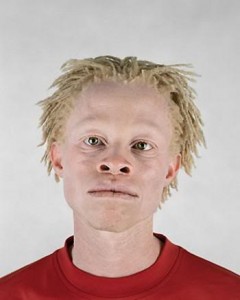
John R Baker’s ‘Race’: “A Reminder of What Was Possible Before the Curtain Came Down”

‘Race’, by John R. Baker, Oxford University Press, 1974.

John Baker’s ‘Race’ represents a triumph of scholarship across a range of fields, including biology, ancient history, archaeology, history of science, psychometrics and anthropology.

First published by Oxford University Press in 1974, it also marks a watershed in Western thought – the last time a major and prestigious publisher put its name to an overtly racialist work.

As science writer Marek Kohn writes:

Baker’s treatise, compendious and ponderous, is possible the last major statement of traditional race science written in English” (The Race Gallery: p61).

Inevitably for a scientific work first published over forty years ago, ‘Race’ is dated. In particular, the DNA revolution in population genetics has revolutionized our understanding of the genetic differences and relatedness between different human populations.

Lacking access to such data, Baker had only indirect phenotypic evidence (i.e. the morphological similarities and differences between different peoples), as well as historical and geographic evidence, with which to infer such relationships and hence construct his racial phylogeny and taxonomy.

Phenotypic similarity is obviously a less reliable method of determining the relatedness between groups than is provided by genome analysis, since there is always the problem of distinguishing homology from analogy and hence misinterpreting a trait that has independently evolved in different populations as evidence of relatedness.[1]

However, I found only one case of genetic studies decisively contradicting Baker’s conclusions. Thus, whereas Baker classes the Ainu People of Japan as Europid (p158; p173; p424; p625), recent genetic studies suggest that the Ainu have little or no genetic affinities to Caucasoid populations and are most closely related to other East Asians.[2]

On the other hand, however, Baker’s omission of genetic data means that, unusually for a scientific work, in the material he does cover, ‘Race’ scarcely seems to have dated at all. This is because the primary focus of Baker’s book – namely, morphological differences between races – is a field of study that has become politically suspect and in which new research has now all but ceased.[3]

Yet in the nineteenth- and early-twentieth century, when the discipline of anthropology first emerged as a distinct science, the study of race differences in morphology was the central focus of the entire science of anthropology.

Thus, Baker’s ‘Race’ can be viewed as the final summation of the accumulated findings of the ‘old-stylephysical anthropology of the nineteenth and early-twentieth centuries, published at the very moment this intellectual tradition was in its death throes.

Accessibility

Baker’s ‘Race’ is indeed a magnum opus. Unfortunately, however, at over 600 pages, embarking on reading ‘Race’ might seem almost like a lifetime’s work in and of itself.

Not only is it a very long book, but, in addition, much of the material, particularly on morphological race differences and their measurement, is highly technical, and will be readily intelligible only to the dwindling band of biological anthropologists who, in the genomic age, still study such things.

This inaccessibility is exacerbated by the fact that Baker does not use endnotes, except for his references, and only very occasionally uses footnotes. Instead, he includes even technical and peripheral material in the main body of his text, but indicates that material is technical or peripheral by printing it in a smaller font-size.[4]

Baker’s terminology is also confusing.[5] He prefers the ‘-id’ suffix to the more familiar ‘-oid’ and ‘-ic’ (e.g. ‘Negrid‘ and ‘Nordid‘ rather than ‘Negroid’ and ‘Nordic‘) and eschews the familiar terms Caucasian or Caucasoid, on the grounds that:

The inhabitants of the Caucasus region are very diverse and very few of them are typical of any large section of Europids” (p205).

However, his own preferred alternative term, ‘Europid’, is arguably equally misleading as it contributes to the already common conflation of Caucasian with white European, even though, as Baker is at pains to emphasize elsewhere in his treatise, populations from the Middle East, North Africa and even the Indian subcontinent are also ‘Europid’ (i.e. Caucasoid) in Baker’s judgement.

In contrast, the term Caucasoid, or even Caucasian, causes little confusion in my experience, since it is today generally understood as a racial term and not as a geographical reference to the Caucasus region.[6]

At any rate, a similar criticism could surely be levelled at the term ‘Mongoloid’ (or, as Baker prefers, ‘Mongolid’), since Mongolian people are similarly quite atypical of other East Asian populations, and, despite the brief ascendancy of the Mongol Empire, and its genetic impact (as well as that previous waves of conquest by horse peoples of the Eurasian Steppe), were formerly a rather marginal people confined to the arid fringes of the indigenous home range of the so-called Mongoloid race, which had long been centred in China, the self-styled Middle Kingdom.[7]

Certainly, the term ‘Caucasoid’ makes little etymological sense. However, this is also true of a lot of words which we nevertheless continue to make use of. Indeed, since all words change in meaning over time, the original meaning of a word is almost invariably different to its current accepted usage.[8]

Yet we continue to use these words so as to make ourselves intelligible to others, the only alternative being to invent an entirely new language all of our own which only we would be capable of understanding.

Unfortunately, however, too many racial theorists, Baker included, have insisted on creating entirely new racial terms of their own coinage, or sometimes new entire lexicons, which, not only causes confusion among readers, but also leads the casual reader to underestimate the actual degree of substantive agreement between different authors, who, though they use different terms, often agree regarding both the identity of, and relationships between, the major racial groupings.[9]

Historical Focus

Another problem is the book’s excessive historical focus.

Judging the book by its contents page, one might imagine that Baker’s discussion of the history of racial thought is confined to the first section of the book, titled “The Historical Background” and comprising four chapters that total just over fifty pages.

However, Baker acknowledges in the opening page of his preface that:

Throughout this book, what might be called the historical method has been adopted as a matter of deliberate policy” (p3).

Thus, in the remainder of the book, Baker continues to adopt an historical perspective, briefly charting the history behind the discovery of each concept, archaeological discovery, race difference or method of measuring race differences that he introduces.

In short, it seems that Baker is not content with writing about science; he wants to write history of science too.

A case in point is Chapter Eight, which, despite its title (“Some Evolutionary and Taxonomic Theories”), actually contains very little on modern taxonomic or evolutionary theory, or even what would pass for ‘modern’ when Baker wrote the book over forty years ago.

Instead, the greater part of the chapter is devoted to tracing the history of two theories that were, even at the time Baker was writing, already wholly obsolete and discredited (namely, recapitulation theory and orthogenesis).

Let me be clear, Baker himself certainly agrees that these theories are obsolete and discredited, as this is his conclusion at the end of the respective sections devoted to discussion of these theories in his chapter on “Evolutionary and Taxonomic Theories”.

However, this only begs the question as to why Baker chooses to devote so much space in this chapter to discussing these theories in the first place, given that both theories are discredited and also of only peripheral relevance to his primary subject-matter, namely the biology of race.

Anyone not interested in these topics, or in history of science more generally, is well advised to skip the majority of this chapter.

The Historical Background

Readers not interested in the history of science, and concerned only with contemporary state-of-the-art science (or at least the closest an author writing in 1974 can get to modern state-of-the-art science) may also be tempted to skip over the whole first section of the book, entitled, as I have said, “The Historical Background”, and comprised of four chapters or, in total, just over fifty pages.

These days, when authoring a book on the biology of race, it seems to have become almost de rigueur to include an opening chapter, or chapters, tracing the history of race science, and especially its political misuse during nineteenth and early twentieth-centuries (e.g. under the Nazis).[10]

The usual reason for including these chapters is for the author or authors to thereby disassociate themselves from the earlier supposed misuse of race science for nefarious political purposes, and emphasize how their own approach is, of course, infinitely more scientific and objective than that of their sometimes less than illustrious intellectual forebears.

However, Baker’s discussion ofThe Historical Background” is rather different, and refreshingly short on disclaimers, moralistic grandstanding and benefit-of-hindsight condemnations that one usually finds in such potted histories.

Instead, Baker strives to give all views, howsoever provocative, a fair hearing in as objective and sober a tone as possible.[11]

Only Lothrop Stoddard, strangely, is dismissed altogether. The latter is, for Baker, an “obviously unimportant” thinker, whose book “contains nothing profound or genuinely original” (p58-9).

Yet this is perhaps unfair. Whatever the demerits of Stoddard’s racial taxonomy (“oversimplified to the point of crudity,” according to Baker: p58), Stoddard’s geopolitical and demographic predictions have proven prescient.[12]

Overall, Baker draws two general conclusions regarding the history of racial thought in the nineteenth and early twentieth century.

First, he observes how few of the racialist authors whom he discusses were anti-Semitic. Thus, Baker reports:

Only one of the authors, Lapouge, strongly condemns the Jews. Treitschke is moderately anti-Jewish; Chamberlain, Grant and Stoddard mildly so; Gobineau is equivocal” (p59).

The rest of the authors whom he discusses evince, according to Baker, “little or no interest in the Jewish problem”, the only exception being Friedrich Nietzsche, who is “primarily an anti-egalitarian, but [who] did not proclaim the inequality of ethnic taxa”, and who, in his comments regarding the Jewish people, or at least those selectively quoted by Baker, is positively gushing in his praise.

In fact, however, Nietzsche’s views regarding the Jewish people are rather more complex than Baker allows, including as they do both critical comments and no few backhanded complements, since he primarily blames the Jews for the invention of Christianity and of the slave morality that he sees as its legacy.

Indeed, anti-Semitism often goes hand-in-hand with philosemitism. Thus, both Nietzsche and Count de Gobineau indeed wrote passages that, at least when quoted in isolation, seem highly complementary regarding the Jewish people. However, it is well to bear in mind that Hitler did as well, the latter writing in Mein Kampf:

The mightiest counterpart to the Aryan is represented by the Jew. In hardly any people in the world is the instinct of self- preservation developed more strongly than in the so-called ‘chosen’. Of this, the mere fact of the survival of this race may be considered the best proof” (Mein Kampf, Manheim translation).[13]

Thus, as a character from a Michel Houellebecq novel observes:

All anti-Semites agree that the Jews have a certain superiorityIf you read anti-Semitic literature, you’re struck by the fact that the Jew is considered to be more intelligent, more cunning, that he is credited with having singular financial talents – and, moreover, greater communal solidarity. Result: six million dead” (Platform: p113) 

Baker’s second general observation is similarly curious, namely that:

None of the authors mentioned in these chapters claims superiority for the whole of the Europid race: it is only a subrace, or else a section of the Europid race not clearly defined in terms of physical anthropology, that is favoured” (p59).

In retrospect, this seems anomalous, especially given that the so-called Nordic race, on whose behalf racial supremacy was most often claimed, actually came relatively late to civilization, which began in the Middle East, North Africa and South Asia, arriving in Europe only with the Mediterranean civilizations of Greece and Rome, and in Northern Europe later still.

However, this focus on the alleged superiority of certain European subraces rather than Caucasians as a whole likely reflects the fact that, during the time period in which these works were written, European peoples and nations were largely in competition and conflict with other European peoples and nations.

Only in European overseas colonies were Europeans in contact and conflict with non-European races, and, even here, the main obstacle to imperial expansion was, not so much the opposition of the often primitive non-European races whom the Europeans sought to colonize, but rather that of rival colonizers from other European nations.

Therefore, it was the relative superiority of different European populations which was naturally of most concern to Europeans during this time period.

In contrast, the superiority of the Caucasian race as a whole was of comparably little interest, if only because it was something that these writers already took very much for granted, and hence hardly worth wasting ink or typeface over.

The Rise of Racial Egalitarianism

There are two curious limitations that Baker imposes on his historical survey of racial thought. First, at the beginning of Chapter Three (From Gobineau to Houston Chamberlain’), he announces:

The present chapter and the next [namely, those chapters dealing with the history of racial thinking from the mid-nineteenth century up until the early-twentieth century] differ from the two preceding ones… in the more limited scope. It is are concerned only with the growth of ideas that favoured belief in the inequality of ethnic taxa or are supposedrightly or wronglyto have favoured this belief” (p33).

Given that I have already criticised ‘Race’ as overlong, and as having an excessive historical focus, I might be expected to welcome this restriction. However, Baker provides no rationale for this self-imposed restriction.

Certainly, it is rare, and enlightening, to read balanced, even sympathetic, accounts of the writings of such infamous racialist thinkers as Gobineau, Galton and Chamberlain, whose racial views are today usually dismissed as so preposterous as hardly to merit serious consideration. Moreover, in the current political climate, such material even acquires a certain allure of the forbidden’.

However, thinkers championing racial egalitarianism have surely proven more influential, at least in the medium-term. Yet such enormously influential thinkers as Franz Boas and Ashley Montagu pass entirely unmentioned in Baker’s account.[14]

Moreover, the intellectual antecedents of Nazism have already been extensively explored by historians. In contrast, however, the rise of the dogma of racial equality has passed largely unexamined, perhaps because to examine its origins is to expose the weakness of its scientific basis and its fundamentally political origins.[15]

Yet the story of how the theory of racial equality was transformed from a maverick, minority opinion among scientists and laypeople alike into a sacrosanct contemporary dogma which a person, scientist or layperson, can question only at severe cost to their career, livelihood and reputation is surely one worth telling.

The second restriction that Baker imposes upon his history is that he concludes it, prematurely, in 1928. He justifies closing his survey in this year on the grounds that this date supposedly:

Marks the close of the period in which both sides in the ethnic controversy were free to put forward their views, and authors who wished to do so could give objective accounts of the evidence pointing in each direction” (p61).

Yet this cannot be entirely true, for, if it were, then Baker’s own book could never have been published – unless, of course, Baker regards his own work as something other than an “objective account of the evidence pointing in each direction”, which seems doubtful.

Certainly, the influence of what is now called political correctness is to be deplored for impact on science, university appointments, the allocation of research funds and the publishing industry. However, there has surely been no abrupt watershed but rather a gradual closing of the western mind over time.

Thus, it is notable that other writers have cited dates a little later than that quoted by Baker, often coinciding with the defeat of Nazi Germany and exposure of the Nazi genocide, or sometimes the defeat of segregation in the American South.

Indeed, not only was this process gradual, it has also proceeded apace in the years since Baker’s ‘Race’ first came off the presses, such that today such a book would surely never would have been published in the first place, certainly not by as prestigious a publisher as Oxford University Press (who, surely not uncoincidently, soon gave up the copyright).[16]

Moreover, Baker is surely wrong to claim that it is impossible:

To follow the general course of controversy on the ethnic problem, because, for the reason just stated [i.e. the inability of authors of both sides to publicise their views], there has been no general controversy on the subject” (p61).

On the contrary, the issue remains as incendiary as ever, with the bounds of acceptable opinion seemingly ever narrowing and each year a new face falling before the witch hunters of the contemporary racial inquisition.

Biology

Having dealt in his first section with what he calls “The Historical Background”, Baker next turns to what he calls “The Biological Background”. He begins by declaring, rightly, that:

Racial problems cannot be understood by anyone whose interests and field of knowledge stop short at the limit of purely human affairs” (p3).

This is surely true, not just of race, but of all issues in human biology, psychology, sociology, anthropology and political science, as the recent rise of sociobiology and evolutionary psychology attests. Indeed, Baker even coins a memorable and quotable aphorism to this effect, when he declares:

No one knows Man who knows only Man” (p65).

However, Baker sometimes takes this thinking rather too far, even for my biologically-inclined tastes.

Certainly, he is right to emphasise that differences among human populations are analogous to those found among other species. Thus, his discussion of racial differences among our primate cousins are of interest, but also somewhat out-of-date.[17]

However, his intricate and fully illustrated nine-page description of race differences among the different subspecies of crested newt stretched the patience of this reader (p101-109).

Are Humans a Single Species?

Whereas Baker’s seventh chapter (“The Meaning of Race”) discusses the race concept, the preceding two chapters deal with the taxonomic class immediately above that of race, namely ‘species’.

For sexually-reproducing organisms, ‘species’ is usually defined as the largest group of organisms capable of breeding with one another and producing fertile offspring in the wild.

However, as Baker explains, things are not quite so simple.

For one thing, over evolutionary time, one species transforms into another gradually with no abrupt dividing line where one species suddenly becomes another (p69-72). Hence the famous paradox, Which came first: the chicken or the egg?.

Moreover, in respect of extinct species, it is often impossible to know for certain whether two ostensible ‘species’ interbred with one another (p72-3). Therefore, in practice, the fossils of extinct organisms are assigned to either the same or different species on morphological criteria alone.

This leads Baker to distinguish different species concepts. These include:

  • Species in the paleontological sense” (p72-3);
  • Species in the morphological sense” (p69-72); and
  • Species in the genetical sense”, i.e. as defined by the criterion of interfertility (p72-80).

On purely morphological criteria, Baker questions humanity’s status as a single species:

Even typical Nordids and typical Alpinids, both regarded as subraces of a single race (subspecies), the Europid, are very much more different from one another in morphological characters—for instance in the shape of the skull—than many species of animals that never interbreed with one another in nature, though their territories overlap” (p97).

Thus, later on, Baker claims:

Even a trained anatomist would take some time to sort out correctly a mixed collection of the skulls of Asiatic jackals (Canis aureus) and European red foxes (vulpes vulpes), unless he had made a special study of the osteology of the Canidae; whereas even a little child, without any instruction whatever, could instantly separate the skulls of Eskimids from those of Lappids” (p427).

That morphological differences between human groups do indeed often exceed those between closely-related but non-interbreeding species of non-human animal has recently been quantitatively confirmed by Vincent Sarich and Frank Miele in their book, Race the Reality of Human Differences (which I have reviewed here, here and here).

However, even if one defines ‘species’ strictly by the criterion of interfertility (i.e. in Baker’s terminology, “species in the genetical sense”) matters remain less clear than one might imagine.

For one thing, there are the phenomena of ring species, such as the herring gull and lesser black-backed gull.

These two ostensible species (or subspecies), both found in the UK, do not interbreed with one another, but each does interbreed with intermediaries that, in turn, interbreed with the other, such that there is some indirect gene-flow between them. Interestingly, the species ranges of the different intermediaries form a literal ring around the Arctic, such that genes will travel around the Artic before passing from lesser black-backed gull to herring gull or vice versa (p76-79).[18]

Indeed, even the ability to produce fertile offspring is a matter of degree. Thus, some pairings produce fertile offspring only rarely.

For example, often, Baker reports, “sterility affects [only] the heterogametic sex [i.e. the sex with two different sex chromosomes]” (p95). Thus, in mammals, sterility is more likely to affect male offspring. Indeed, this pattern is so common that it even has its own name, being known as Haldane’s Rule, after the famous Marxist-biologist JBS Haldane who first noted this pattern.

Other times, Baker suggests, interfertility may depend on the sex of the respective parents. For example, Baker suggests that, whereas sheep may sometimes successfully reproduce with he-goats, rams may be unable to successfully reproduce with she-goats (p95).[19]

Moreover, the fertility of offspring is itself a matter of degree. Thus, Baker reports, some hybrid offspring are not interfertile with one another, but can reproduce with one or other of the parental stocks. Elsewhere, the first generation of hybrids are interfertile but not subsequent generations (p94).

Indeed, though it was long thought impossible, it has recently been confirmed that, albeit only very rarely, even mules and hinnies can successfully reproduce, despite donkeys and horses, the two parental stocks, having, like goats and sheep, a different number of chromosomes (Rong et al 1985; Kay 2002).

Yet, as Darwin observed as far back as 1871 when himself discussing the question as to whether human races are to be regarded as belonging to entirely separate species:

Even a slight degree of sterility between any two forms when first crossed, or in their offspring, is generally considered as a decisive test of their specific distinctness” (The Descent of Man).

Thus, Baker concludes:

There is no proof that hybridity among human beings is invariably eugenesic, for many of the possible crosses have not been made, or if they have their outcome does not appear to have been recorded. It is probable on inductive grounds that such marraiges would not be infertile, but it is questionable whether the hybridity would necessarily be eugenesic. For instance, statistical study might reveal a preponderance of female offpsring” (p97-8).

However, any degree of infertility among human interracial couples is likely to be very slight. After all, today interracial relationships are increasingly common in Britain and America, and not noticeably less fecund than other unions. On the contrary, the number of biracial people, the products of such relationships, are themselves growing precipitously in number in both countries.

In practice, a very slight degree of reduced fertility among phenotypically distinct forms, as might conceivably occur among human interracial couples, would be unlikely to cause biologists to assign the different forms to different species, not least since, in the absense of close study, the slight degree of reduced fertility would probably never be detected in the first place.

Is there then any evidence of reduced fertility among mixed-race couples? Not a great deal.

As noted above, interracial relationships are increasingly common, and the the number of biracial people growing precipitously in Britain and America.

On the other hand, possibly blood type incompatibility between mother and developing foetus might be more common in interracial unions due to racial variation in the prevalence of different blood groups.

Also, one study did find a greater prevalence of birth complications, more specifically caesarean deliveries, among Asian women birthing offspring fathered by white men (Nystrom et al 2008).

However, this is a simple reflection of the differences in physical size between whites and Asians, with smaller-framed Asian women having difficulty birthing larger half-white offspring. Thus, the same study also found that white women birthing offspring fathered by Asian men actually have lower rates of caesarean delivery than did women bearing offspring fathered by men of the same race as themselves (Stanford University Medical Center 2008).[20]

Indeed, one study from Iceland rather surprisingly found that the highest pregnancy rates were found among couples who were actually quite closely related to one another, namely equivalent to third- or fourth-cousins, with less closely related spouses enjoying reduced pregnancy rates (Helgason et al 2008; see also Labouriau & Amorim 2008).

On the other hand, however, David Reich, in Who We Are and How We Got Here reports that, whereas there was evidence of selection against Neanderthal genes in the human genome (that had resulted from ancient hybridization between anatomically modern humans and Neanderthals) owing to the deleterious effects of these genes, there was no evidence of selection against European genes (or African genes) among African-Americans, a racially-mixed population:

In African Americans, in studies of about thirty thousand people, we have found no evidence for natural selection against African or European ancestry” (Who We Are and How We Got Here: p48; Bhatia et al 2014).

This lack of selection against either European-derived (or African-derived) genes in African-Americans suggests that discordant genes did not result in reduced fitness among African-Americans.[21] 

Humans – A Domesticated Species?

A final complication in defining species is that some species of nonhuman animal, wildly recognised as separate species because they do not interbreed in the wild, nevertheless have been known to successfully interbreed in captivity.

A famous example are lions and tigers. While they have never been known to interbreed in the wild, if only because they rarely if ever encounter one another, they have interbred in captivity, producing hybrid offspring in the form of so-called ligers and tigons.

This is, for Baker, of especial relevance to question of human races since, according to Baker, we ourselves are a domesticated species. Thus, he approvingly quotes Blumenbach’s claim that:

Man is ‘of all living beings the most domesticated” (p95).

Thus, with regard to the question of whether humans represent a single species, Baker reaches the following controversial conclusion:

The facts of human hybridity do not prove that all human races are to be regarded as belonging to a single ‘species’. The whole idea of species is vague because the word is used with such different meanings, none of which is of universal application. When it is used in the genetical sense [i.e. the criterion of interfertility] some significance can be attached to it, in so far as it applies to animals existing in natural conditions… but it does not appear to be applicable to human beings, who live under the most extreme conditions of domestication” (p98).

Thus, Baker goes so far as to question whether:

Any two kinds of animals, differing from one another so markedly in morphological characters (and in odour) as, for instance, the Europid and Sanid…, and living under natural conditions, would accept one another as sexual partners” (p97).

Certainly, in our ‘natural environment’ (what evolutionary psychologists call the environment of Evolutionary adaptedness or EEA), many human races would never have interbred, if only for the simple reason that they would never come into contact with one another.

On the contrary, they were separated from one another by the very geographic obstacles (oceans, deserts, mountain-ranges) that reproductively isolated them from one another and hence permitted their evolution into distinct races.

Thus, Northern Europeans surely never mated with sub-Saharan Africans for the simple reason that the former were confined to Northern Europe and surrounding areas while the latter were largely confined to sub-Saharan Africa, such that they are unlikely ever to have interacted.

Only with the invention of technologies facilitating long-distance travel (e.g. ocean-going ships, aeroplanes) would this change.

However, if Northern Europeans never interbred with sub-Saharan Africans, both groups surely did interbreed with their immediate neighbours, who, in turn, interbred with their intermediate neighbours who may, in turn, have interbred indirectly with the other group, since even the Sahara Desert, formerly regarded as the boundary between what were then called the Caucasiod and Negroid races, was far from a complete barrier to gene flow, even in ancient times.

Indeed, there may even have been gene flow between Eurasia and the Americas at the Bering Strait. Only perhaps Australian Aboriginals may to have been completely reproductively isolated for millennia.

There may therefore have been some indirect gene flow even between even distantly related populations as Northern Europeans and sub-Saharan Africans, even if no Nordic European ever encountered, let alone mated with, a black African. This, together with the continuous clinal nature of racial differentiation across the world that resulted from this interbreeding, was the key point emphasized by Darwin in The Descent of Man in support of his conclusion that all human races ought indeed to be considered a single species.

Moreover, Baker’s assertion that modern humans are a domesticated species, although a fashionable viewpoint today, is questionable.

Whether humans can indeed be said to be domesticated depends on how one defines domesticated. If we are domesticated, then humans are surely unique in having domesticated ourselves (or at least one another).[22]

Defining Race

Ultimately then, the question of whether the human race is a single species is a purely semantic dispute. It depends how one defines the word ‘species’.

Likewise, whether human races can be said to exist ultimately depends on one’s definition of the word ‘race.

Using the word ‘race’ interchangeably with that of ‘subspecies’, Baker provides no succinct definition. Instead, he simply explains:

If two populations [within a species] are so distinct that one can generally tell from which region a specimen was obtained, it is usual to give separate names to the two races” (p99).

Neither does he provide a neat definition of any particular race. On the contrary, he is explicit in emphasizing:

The definition of any particular race must be inductive in the sense that it gives a general impression of the distinctive characters, without professing to be applicable in detail to every individual” (p99).

Is Race Real?

At the conclusion of his chapter on “Hybridity and The Species Question”, Baker seems to reach what was, even in 1974, an incendiary conclusion – namely that, whether using morphological criteria or the criterion of interfertility, it is not possible to conclusively prove that all extant human populations belong to a single species (see above).

Nevertheless, in the remainder of the book, Baker proceeds on the assumption that differences among human groups are indeed subspecific (i.e. racial) in nature and that we do indeed form a single species.

Indeed, Baker criticises the notion that the existence persons of mixed racial ancestry, and the existence of clinal variation between races, disproves the existence of human races by observing that, if races did not interbreed with one another, then they would not be mere different races, but rather entirely separate species, according to the usual definition of this term. Thus, Baker explains:

Subraces and even races sometimes hybridise where they meet, but this almost goes without saying: for if sexual revulsion against intersubracial or interracial marriages were complete, one set of genes would have no chance of intermingling with the other, and the ethnic taxa would be species by the commonly accepted definition. It cannot be too strongly stressed that intersubracial and interracial hybridization is so far from indicating the unreality of subraces and races, that it is actually a sine qua non of the reality of these ethnic taxa” (p12).

This, Baker argues, is because:

It is the fact that intermediaries do occur that defines the race” (p99).

Thus, in nonhuman species among whom subspecies are recognized, there usually exist similar hybrid or intermediary populations around the boundaries of each distinct subspecies. Indeed, this phenomenon is so recurrent that there is even a biological term for it namely intergradation.

Yet this does not cause biologists to conclude that the subspecies in question either do not exist or that their boundaries are somehow arbitrarily delineated and artificial, let alone that subspecies is a biologically meaningless term.

Some people seem to think that, since races tend to blend into one another and hence have blurred boundaries (i.e. what biologists refer to as clinal variation), they do not really exist. Yet Baker objects:

In other matters, no one questions the reality of categories between which intermediaries exist. There is every graduation, for instance, between green and blue, but no one denies these words should be used” (p100).

However, this is perhaps an unfortunate example, since, as psychologists and physicists agree, colours, as such, do not exist.

Instead, the spectrum of light varies continuously. Distinct colours are imposed on this continuous variation only by the human brain and visual system.[23]

Using colour as an analogy for race is also potentially confusing because colour is already often conflated with race. Thus, races are referred to by their ostensible colours (e.g. blacks, whites, browns etc.) and the very word ‘colour’ is sometimes even used as a synonym, or perhaps euphemism, for race, even though, as Baker is at pains to emphasize, races differ in far more than skin colour.

Using colour as an analogy for race differences is only likely to exacerbate this confusion.

Yet Baker’s other examples are similarly problematic. Thus, he writes:

“The existence of youths and human hermaphrodites does not cause anyone to disallow the use of the words, ‘boy’, ‘man’ and ‘woman’” (p100).

However, hermaphrodites, unlike racial intermediaries, are extremely rare. Meanwhile, words such as ‘boy’ and ‘youth’ are colloquial terms, not really scientific ones. As anthropologist John Relethford observes:

We tend to use crude labels in everyday life with the realization that they are fuzzy and subjective. I doubt anyone thinks that terms such as ‘short’, ‘medium’ and ‘tall’ refer to discrete groups, or that humanity only comes in three values of height” (Relethford 2009: p21).

In short, we often resort to vague and impressionistic language in everyday conversation. However, for scientific purposes, we must surely try, wherever possible, to be more precise.

Rather than alluding to colour terms or hermaphrodites, perhaps a better counterexample, if only because it is certain to provoke annoyance, cognitive dissonance and doublethink among leftist race-denying sociologists, is that of social class. Thus, as biosocial criminologist Anthony Walsh demands:

Is social class… a useless concept because of its cline-like tendency to merge smoothly from case to case across the distribution, or because its discrete categories are determined by researchers according to their research purposes and are definitely not ‘pure’” (Race and Crime: A Biosocial Analysis: p6).

However, the same leftist social scientists who insist the race concept is an unscientific social construction, nevertheless continue to employ the concept of social class almost as if it were entirely unproblematic.

However, the objection that races do not exist because races are not discrete categories, but rather have blurred boundaries, is not entirely fallacious.

After all, sometimes intermediaries can be so common that they can no longer be said to be intermediaries at all and all that can be said to exist is continuous clinal variation, such that wherever one chose to draw the boundary between one race and another would be entirely arbitrary.

With increased migration and intermarriage, we may fast be approaching this point.[24]

However, just because the boundaries between racial groups are blurred, this does not mean that the differences between them, whether physiological or psychological, do not exist. To assume otherwise would represent a version of the continuum fallacy or sorties paradox, also sometimes called the fallacy of the heap or fallacy of the beard.

Thus, even if races do not exist, race differences still surely do – and, just as skin colour varies on a continuous, clinal basis, so might average IQbrain-size and personality!

Anticipating Jared Diamond

Remarkably, Baker even manages to anticipate certain erroneous objections to the race concept that had not, to my knowledge, even been formulated at the time of his writing, perhaps because they are so obviously fallacious to anyone without an a priori political commitment to the denying the validity of the race concept.

In particular, Jared Diamond (1994), in an influential and much-cited paper, argues that racial categories are meaningless because, rather than being classified by skin colour, races could just as easily be grouped on the basis of traits such as the prevalence of genes for sickle-cell or lactose tolerance, which would lead us to adopting very different classifications.

Actually, Baker argues, the importance of colour for racial classification has been exaggerated.

In the classification of animals, zoologists lay little emphasis on differences of colour… They pay far more attention to differences in grosser structure” (p159).

Indeed, he quotes no lesser authority than Darwin himself as observing:

Colour is generally esteemed by the systematic naturalist as unimportant (p148).

African_albino
A Negro albino: Proof that race is more than ‘skin deep’

Certainly, he is at pains to emphasise that, among humans, differences between racial groups go far beyond skin colour. Indeed, he observes, one has only to look at an African albino to realize as much:

An albino… Negrid who is fairer than any non-albino European, [yet] appears even more unlike a European than a normal… Negrid” (p160).

Likewise, some populations from the Indian subcontinent are very dark in skin tone, yet they are, according to Baker, predominantly Caucasoid (p160), as, he claims, are the Aethiopid subrace of the Horn of Africa (p225).[25]

Thus, Baker laments how:

An Indian, who may show close resemblance to many Europeans in every structural feature of his body, and whose ancestors established a civilization long before the inhabitants of the British Isles did so, is grouped as ‘coloured’ with persons who are very different morphologically from any European or Indian, and whose ancestors never developed a civilization” (p160).

Yet, in contrast, of the San Bushmen of Southern Africa, he remarks:

The skin is only slightly darker than that of the Mediterranids of Southern Europe and paler than that of many Europids whose ancestral home is in Asia or Africa” (p307).

But no one would mistake them for Caucasoid.

What then of the traits, namely the prevalence of the sickle-cell gene or of lactose tolerance, that would, according to Diamond, produce very different taxonomies?

For Baker, these are what he calls “secondary characters” that cannot be used for the purposes of racial classification because they are not present among all members of any group, but differ only in their relative prevalence (p186).

Moreover, he observes, the sickle-cell gene is likely to have “arisen independently in more than one place” (p189). It is therefore evidence, not of common ancestry, but of convergent evolution, or what Baker refers to as “independent mutation” (p189).

It is therefore irrelevant from the perspective of cladistic taxonomy, whereby organisms are grouped, not on the basis of shared traits as such, but rather of shared ancestry. From the perspective of cladistic taxonomy, shared traits are relevant only to the extent they are (interpreted as) evidence of shared ancestry.

The same is true for lactose tolerance, which seems to have evolved independently in different populations in concert with the development of dairy farming, in a form of gene-culture co-evolution.

Indeed, lactose tolerance appears to have evolved through somewhat different genetic mechanisms (i.e. mutations in different genes) in different populations, seemingly a conclusive demonstration that it evolved independently in these different lineages (Tishkoff et al 2007).

As Baker warns:

One must always be on the lookout for the possibility of independent mutation wherever two apparently unrelated taxa resemble one another by the fact that some individuals in both groups reveal the presence of the same gene” (p189).

In evolutionary biology, this is referred to as distinguishing analogy from homology.

Thus, for example, authors Vincent Sarich and Frank Miele, in their book Race: The Reality of Human Differences (which I have reviewed here) observe:

There are two groups of people [i.e. races] with the conbination of dark skin and frizzy hair—sub-Saharan Africans and Melanesians. The latter have often been called Oceanic Negroes,’ implying a special relationship with Africans. The blood-group data, however, show that they are about as different from Africans as they could be” (Race: The Reality of Human Differences: p134).

But Diamond’s proposed classification is even more preposterous than these early pre-Darwinian non-cladistic taxonomic schemes, since he proposes to classify races on the basis of a single trait in isolation, the trait in question (either lactose tolerance or the sickle-cell gene) being chosen either arbitrarily or, more likely, to illustrate the point that Diamond is attempting to make.

Yet even pre-Darwinian taxonomies proposed to classify species, not on the basis of a single trait, but rather on the basis of a whole suit of traits that intercorrelate together.

In short, Diamond proposes to classify races on the basis of a single character that has evolved independently in distantly related populations, instead of a whole suite of inter-correlated traits indicative of common ancestry.

Interestingly, a similar error may underlie an even more frequently cited paper by Marxist-geneticist Richard Lewontin, which argued the vast majority of genetic variation was within-group rather than between-group – since Lewontin, like Diamond, also relied on ‘secondary characters’ such as blood-groups to derive his estimates (Lewontin 1972).[26]

The reason for the recurrence of this error, Baker explains, is that:

Each of the differences that enable one to distinguish all the most typical individuals of any one taxon from those of another is due, as a general rule, to the action of polygenes, that is to say, to the action of numerous genes, having small cumulative effects” (p190).

Yet, unlike traits resulting from a few alleles, polygenes are not amenable to simple Mendelian analysis.

Therefore, this leads to the “unfortunate paradox” whereby:

The better the evidence of relationship or distinction between ethnic taxa, the less susceptible are the facts to genetic analysis” (p190).

As a consequence, Baker laments:

Attention is focussed today on those ‘secondary differences’… that can be studied singly and occur in most ethnic taxa, though in different proportions in different taxa… The study of these genes… has naturally led, from its very nature, to a tendency to minimise or even disregard the extent to which the ethnic taxa of man do actually differ from one another” (p534).

Finally, Baker even provides a reductio ad absurdum of Diamond’s approach, observing:

From the perspective of taste-deficiency the Europids are much closer to the chimpanzee than to the Sinids and Paiwan people; yet no one would claim that this resemblance gives a true representation of relationship” (p188).

However, applying the logic of Diamond’s article, we would be perfectly justified and within our rights to use this similarity in taste deficiency in order to classify Caucasians as a sub-species of chimpanzee!

Subraces

The third section of Baker’s book, “Studies of Selected Human Groups”, focusses on the traditional subject-matter of physical anthropology – i.e. morphological differences between human groups.[27]

Baker describes the physiological differences between races in painstaking technical detail. These parts of the book makes for an especially difficult read, as Baker carefully elucidates both how anthropologists measure morphological differences, and the nature and extent of the various physiological differences between the races discussed revealed by these methods.

Yet, curiously, although many of his measures are quantitative in nature, Baker rarely discusses whether differences are statistically significant.[28] Yet without statistical analysis, all of Baker’s reports of quantitative measurements of differences in the shapes and sizes of the skulls and body parts of people of different races represent little more than subjective impressions.

This is especially problematic in his discussion of so-called ‘subraces’ (subdivisions within the major continental races, such as Nordics and the Meditaranean race, both supposed subdivisions within the Caucasiod race), where differences could easily be dismissed as, if not wholly illusory, then at least as clinal in nature and as not always breeding true.

Yet nowhere in his defence of the reality of subracial differences does Baker cite statistics. Instead, his argument is wholly subjective and qualitative in nature:

In many parts of the world where there have not been any large movements of population over a long period, the reality of subraces is evident enough” (p211).

One suspects that, given increased geographic mobility, those parts of the world are now reduced in number.

Thus, even if subracial differences were once real, with increased migration and intermarriage, they are fast disappearing, at least within Europe.

Is the ‘White Race’ a Social Construct?

One other interesting observation may be made with regard to Bakers proposed racial taxonomy. Save when quoting from other earlier authors who did use these terms, Baker himself never once refers to white people or the ‘the white race’. 

Not only does he, as we have seen, reject the use of colour for the purposes of racial classification, he also does not seem to recognize white people as constituting a useful racial category in the first place. Thus, not only do the terms white people’ or the white race’ receive no mention in his racial taxonomy either as a race or a subrace, neither is any synonym covering roughly the same set of people included (p624-5).

Of course, Baker’s Europid race might appear, from its name, to cover much the same ground, since the ancestral homelands of those today classed as white are roughly coextensive with the geographical boundaries of Europe.

In fact, however, its meaning is much broader, as Baker uses the word Europid to refer to what earlier anthropologists more typically called the Caucasian race, and, as he is himself at pains to emphasize, the indigenous inhabitants of North Africa, the Middle East and, at least according to Baker, even South Asia are all classified as Caucasoid/Europid (p160), and Baker even argues that those he terms the Aethiopids of the Horn of Africa are also predominantly Caucasoid/Europid (p225).

While indigenous Europeans are grouped together with North Africans, South Asians and Arabs as Europid, they are also subdivided among themselves into such supposed subraces as Nordid, Mediterranid, Osteuropid, Dinarid and Alpinid. Yet none of these terms is equivalent to what we today habitually call white people, and the indigenous homelands of at least some of these subraces, notably the Mediterranid, extend outside of the European continent into North Africa and the Middle East, and include some peoples whom we would today hesitate to call white, who are unlikely to themselves identify as such, and who would certainly not be recognized as white by most white racialists.

This conclusion seems to have been shared by most other early- to mid-twentieth century physical anthropologists. For example, Carleton Coon, the once-celebrated mid-twentieth century American phsycial anthropologist, in his book The Races of Europe, contended that:

The Mediterranean racial zone stretches unbroken from Spain across the Straits of Gibraltar to Morocco, and thence eastward to India. A branch of it extends far southward on both sides of the Red Sea into southern Arabia, the Ethiopian highlands, and the Horn of Africa (The Races of Europe: p401).

Unlike Baker, Coon does indeed use the phrase the white race’, and indeed regards his 1939 book as a study of this race. However, he clearly intends this phrase to carry a rather broader meaning than that with which it is usually invested today, since he regards, for example, even the Gallas, the Somalis, the Ethiopians, and the inhabitants of Eritrea as all being white or near white”, a view that would hardly endear him to most contemporary white racists (The Races of Europe: p445).   

Thus, while he would certainly reject the idea that race is a mere social construct as preposterous, I suspect that Baker, along with other early twentieth-century racial anthropologists, might actually agree with the race deniers that the concept of a white race, at least as it is defined and demarcated in the Anglosphere today, is indeed an artificial construct with little biological validity, which owes more to geographical and even religious factors (i.e. the traditional boundary between Chistendom and the Islamic world) than it does to measuable phenotypic, or, for that matter, genetic, differences.

In contrast, although the politcally correct orthodoxy holds that terms such as ‘Caucasian’ or ‘Caucasoid’ (or, to use Baker’s preferred term ‘Europid’) reflect a scientifically obsolete and discredited basis for racial classification, this racial category actually seems to have been broadly corroborated by modern studies in population genetics.

Thus, geneticist David Reich, in his 2018 book, Who We Are and How We Got Here, reports:

Today, the peoples of West Eurasia—the vast region spanning Europe, the Near East, and much of central Asia—are genetically highly similar. The physical similarity of West Eurasian populations was recognized in the eighteenth century by scholars who classified the people of West Eurasia as ‘Caucasoids’… The whole-genome data at first seem to validate some of the old categories… Populations within West Eurasia are typically around seven times more similar to one another than West Eurasians are to East Asians. When frequencies of mutations are plotted on a map, West Eurasia appears homogeneous, from the Atlantic façade of Europe to the steppes of central Asia. There is a sharp gradient of change in central Asia before another region of homogeneity is reached in East Asia” (Who We Are and How We Got Here: p93).[29]

This is probably because the term ‘Caucasoid’ was hardly an arbitrary invention of eighteenth- and nineteenth-century racists, but rather reflected, not only real phenotypic resemblance among populations, but also geographic factors, the indigenous homelands of the ostensible race being circumscribed by relatively impassable geographic obstacles – such as the Sahara Desert, Himalayas, Siberia and Atlantic Ocean – which represented barriers to human movement and hence gene flow throughout much of human history and prehistory.

In contrast, the ostensible boundaries of the indigenous homelands so-called ‘white race’ are, at least today, usually equated with the boundaries of the European continent. But, whereas the Sahara, Himalayas, Siberia and Atlantic were long barriers to gene-flow, at least some of the boundaries of the European continent – namely the Mediterranean Sea, Strait of Gibraltar and Turkish Straits – were long hubs of trade, migration, population movement and conquest. It is thus unsurprising that populations on either side of these boundaries, far from being racially distinct, resemble one another both phenotypically and genetically.

Studies of Selected Human Groups

This third section of the book focuses on certain specific selected human populations. These are presumably chosen because Baker feels that they are representative of certain important elements of human evolution, racial divergence, or are otherwise of particular interest.

Unfortunately, Baker’s choice of which groups upon which to focus seems rather arbitrary and he never explains why these groups were chosen ahead of others.

In particular, it is notable that Baker focuses primarily on populations from Europe and Africa. East Asians (i.e. Mongoloids), curiously, are entirely unrepresented.

The Jews

After a couple of introductory chapters, and one chapter focussing on “Europids” (i.e. Caucasians) as a whole, Baker’s next chapter discusses Jewish people.

In the opening paragraphs, he observes that:

In any serious study of the superiority or inferiority of particular groups of people one cannot fail to take note of the altogether outstanding contributions made to intellectual and artistic life, and to the world of commerce and finance, generation after generation by persons to whom the name of Jews is attached” (p232).

However, having taken due “note” of this, and hence followed his own advice, he says almost nothing further on the matter, either in this chapter or in those later chapters that deal specifically with the question of racial superiority (see below).

Instead, Baker first focuses on justifying the inclusion of Jews in a book about race, and hence arguing against the politically-correct notion that Jews are not a race, but rather mere practitioners of a religion.[30] Baker gives short-shrift to this notion:

There is no close resemblance between Judaism in the religious sense and a proselytizing religion such as the Roman Catholic” (p326).

In other words, Baker seems to be saying, because Judaism is not a religion that actively seeks out converts (but rather one that, if anything, discourages conversion), Jews have retained an ethnic character distinct from the host populations alongside whom they reside, without having their racial traits diluted by the incorporation of large numbers of converts of non-Jewish ancestry.

Yet, actually, even proselytizing religions like Christianity, Catholicism and Islam that do actively seek to convert nonbelievers, often come to take on an ethnic character, since, despite the possibility of conversion, offspring usually inherit (i.e. are indoctrinated in) the faith of their parents, apostates are persecuted, conversion remains, in practice, rare, and people are admonished to marry within the faith.

Thus, in polities beset by ethnic conflict, like Northern Ireland, Lebanon or the former Yugoslavia, religions often comes to represent markers for ethnicity or even something akin to ethnicities in and of themselves – i.e. reproductively-isolated, endogamous breeding populations.

Having concluded, then, that there is a racial as well as a religious component to Jewish identity, Baker nevertheless stops short of declaring the Jews a race or even what he calls a subrace.

Dismissing the now discredited Khazar hypothesis in a sentence,[31] Baker instead classes them bulk of the world’s Jewish population (i.e. the Ashkenazim) as merely part of “Armenid subrace” of the Europid race” with some “Orientalid” (i.e. Arab) admixture (p242).[32]

Thus, Baker claims:

Persons of Ashkennazic stock can generally be recognised by certain physical characters that distinguish them from other Europeans” (p238).

Jewish_Nose
Baker’s delightfully offensive illustration of Jewish nose shape, taken from Jacobs (1886).

These include a short but wide skull and a nose that is “large in all dimensions” (p239), the characteristic shape of which Baker even purports to illustrate with a delightfully offensive diagram (p241).[33]

Likewise, Baker claims that Sephardic Jews, the other main subgroup of European Jews, are likewise “distinguishable from the Ashkenazim by physical characters”, being slenderer in build, with straighter hair, narrower noses, and different sized skulls, approximately more to the Mediterranean racial type (p245-6).

But, if Sephardim and Ashkenazim are indeed “distinguishable” or “recognisable” by “physical characters”, either from one another or from other European Gentiles, as Baker claims, then with what degree of accuracy is he claiming such distinctions can be made? Surely far less than 100%.[34]

Moreover, are the alleged physiological differences that Baker posits between Ashkenazi, Sephardi, and other Europeans based on recorded quantitative measurements, and, if so, are the differences in question statistically significant? On this, Baker says nothing.

The Celts

The next chapter concerns The Celts, a term surrounding which there is so much confusion and which has been used in so many different senses – racial, cultural, ethnic, territorial and linguistic (p183) – that some historians have argued that it should be abandoned altogether.

Baker, himself British, is keen to dispel the notion that the indigenous populations of the British Isles were, at the time of the Roman invasion, a primitive people, and is very much an admirer of their artwork.

Thus, Baker writes that:

Caesar… nowhere states that any of the Britons were savage (immanis), nor does he speak specifically of their ignorance (ignorantia), though he does twice mention their indiscretion (imprudentia) in parleying” (p263).

Of course, Caesar, though hardly unbiased in this respect, did regard the indigenous Britons as less civilized than the Romans themselves. However, I suppose that barbarism is, like civilization (see below), a matter of degree.

Regarding the racial characteristics of those inhabitants of pre-Roman Britain who are today called Celts, Baker classifies them as Nordic, writing:

Their skulls scarcely differ from those of the Anglo-Saxons who subsequently dominated them, except in one particular character, namely, that the skull is slightly (but significantly) lower in the Iron Age man than in the Anglo-Saxon” (p257).[35]

Thus, dismissing the politically-correct notion that the English were, in the words of another author, “true multiracial society”, Baker claims:

“[The] Angles, Saxons, Jutes, Normans, Belgics and… Celts… were not only of one race (Europid) but of one subrace (Nordid).” (p267).

Citing remains found in an ancient cemetery in Berkshire supposedly containing the skeletons of Anglo-Saxon males but indigenous British females and hybrid offspring, he concludes that, rather than extermination, a process of intermarriage and assimilation occurred (p266). This is a conclusion largely corroborated by recent population genetic studies.

However, the indigenous pre-Celtic inhabitants of the British Isles were, Baker concludes, less Nordic than Mediterranid in phenotype.[36]

Such influences remain, Baker claims, in the further reaches of Wales and Ireland, as evidenced by the distribution of blood groups and of hair colour.

Thus, whereas the Celtic fringe is usually associated with red, auburn or ginger hair, Baker instead emphasizes the greater prevalence of dark hair among the Irish and Welsh:

The tendency towards the possession of dark hair was much more marked in Wales than in England, and still more marked in the western districts of Ireland” (p265).[37]

This conclusion is based upon the observations of nineteenth century English ethnologist John Beddoe, who travelled the British Isles recording the distribution of different hair and eye colours, reporting his findings in The Races of Britain, which was first published in 1862 and remains, to my knowledge, the only large body of data on the distribution of hair and eye colour in the British Isles to this day.

On this basis, Baker therefore concludes that:

The modern population of Great Britain probably derives mainly from the [insular] ‘Celts’… and Belgae, though a more ancient [i.e. Mediterranean] stock has left its mark rather clearly in certain parts of the country, and the Anglo-Saxons and other northerners made an additional Nordid contribution later on” (p269).

Yet recent population genetic studies suggest that even the so-called Celts, like the later Anglo-Saxons, Normans and Vikings, actually had only a quite minimal impact on the ancestry of the indigenous peoples of the British Isles.[38]

This, of course, further falsifies the politically correct, but absurd notion that the British are a nation of immigrants – which phrase is, of course, itself a recent immigrant from America, in respect of whose population the claim surely has more plausibility.

The Celts, moreover, likely arrived from on the British Isles from continental Europe by the same route as the later Anglo-Saxons and Normans – i.e. across the English channel (or perhaps the south-west corner of the North Sea), by way of Southern England. This is, after all, by far the easiest, most obvious and direct route.[39]

This leads Baker to conclude that the Celts, like the Anglo-Saxons after them, imposed their language on, but had little genetic impact on, the inhabitants of those parts of the British Isles furthest from this point of initial disembarkation (i.e. Scotland, Ireland, Wales). Thus, Baker concludes:

The Iron Age invaders transmitted the dialects of their Celtic language to the more ancient Britons whom they found in possession of the land [and] pushed back these less advanced peoples towards the west and north as they spread” (p264).

But these latter peoples, though adopting the Celtic tongue, were not themselves (primarily) descendants of the Celtic invaders. This leads Baker to conclude, following what he takes to also be the conclusion of Carleton Coon in the latter’s book The Races of Europe, that:

It is these people, the least Celtic—in the ethnic sense—of all the inhabitants of Great Britain, that have clung most obstinately to the language that their conquerors first taught them two thousand years ago” (p269).

In other words, in a racial and genetic, if not a linguistic, sense, the English are actually more Celtic than are the self-styled Celtic Nations of Scotland, Ireland and Wales!

Australian Aboriginals – a “Primitive” Race?

The next chapter is concerned with Australian Aboriginals, or, as Baker classes them, “Australids”.

In this chapter Baker is primarily concerned with arguing that Aboriginals are morphologically primitive.

Of course, the indigenous inhabitants of what is now Australia were, when Europeans first made contact with them, notoriously backward in terms of their technology and material culture.

For example, Australian Aboriginals are said the only indigenous people yet to have developed the simple bow or bow and arrow; while the neighbouring, and related, indigenous people of Tasmania, isolated from the Australian mainland by rising sea levels at the end of the last ice age but usually classed as of the same race, are said to have lacked even, arguably, the ability to make fire.

However, this is not what Baker means by referring to Aboriginals as retaining many “primitive traits. Indeed, unlike his later chapters on black Africans, Baker says nothing regarding the technology or material culture of indigenous Australians.

Instead, he talks exclusively about their morphology. In referring to them as retaining “primitive” characters, Baker is therefore using the word in the specialist phylogenetic sense. Thus, he argues that Australian Aboriginals:

Retain… physical characters that were possessed by remote ancestors but have been lost in the course of evolution by most members of the taxa that are related to it” (p272-3).

In other words, they retain traits characteristic of an earlier state of human evolution which have since been lost in other extant races.

Baker purports to identify twenty-eight such “primitive” characters in Australian aboriginals. These include prognathism (p281), large teeth (p289), broad noses (p282), and large brow ridges (p280).

Baker acknowledges that all extant races retain some primitive characters that have been lost in other races (p302). For example, unlike most other races (but not Aboriginals), Caucasoids retain scalp hair characteristic of early hominids and indeed other extant primates (p297).

However, Baker concludes:

The Australids are exceptional in the number and variety of their primitive characters and in the degree to which some of them are manifested” (p302).

Relatedly, Nicholas Wade observes that, whereas there is a general trend towards lighter and less robust bones and skulls over the course of human evolution, something referred to as gracialization, two populations at “the extremities of the human diaspora” seem to have been exempt, or isolated, from this process, namely Aboriginals and the “Fuegians at the tip of the South America” (A Troublesome Inheritance: p167-8).[40]

Of course, to be morphologically ‘primitive’ in this specialist phylogenetic sense entails no necessary pejorative imputations as are often associated with the word ‘primitive’.

However, some phylogentically primitive traits may indeed be linked to the primitive’ technology of indigenous Aboriginals at the time of first contact with Europeans.

For example, tooth size decreased over the course of human evolution as human invented technologies (e.g. cooking, tools for cutting) that made large teeth unnecessary. As science writer Marek Kohn puts it:

As the brain expanded in the course of becoming human, the teeth became smaller. Hominids lost their built-in weapons, but developed the possibility of building their own, all the way to the Bomb” (The Race Gallery: p63).

Indeed, Darwin himself observed, in The Descent of Man, that:

The early male forefathers of man were, as previously stated, probably furnished with great canine teeth; but as they gradually acquired the habit of using stones, clubs, or other weapons, for fighting with their enemies or rivals, they would use their jaws and teeth less and less. In this case, the jaws, together with the teeth, would become reduced in size” (The Descent of Man).

Therefore, it is possible, Kohn provocatively contends, that:

Aborigines have a biological adaptation to compensate for the primitiveness of their material culture… Teeth get smaller, the argument runs, when technology becomes more advanced” (The Race Gallery: p72-3).

On this view, the relatively large size of Aboriginal teeth could be associated with the primitive state of their technology.

Another phylogentically primitive Aboriginal trait that also, rather more obviously, implies lesser intelligence intelligence, is their relatively smaller brain size.

Indeed, Philippe Rushton posits a direct tradeoff between brain-size and the size of the jaw and teeth, arguing in Race, Evolution and Behavior (which I have reviewed here, here and here) that: 

As brain tissue expanded it did so at the expense of the temporalis muscles, whichclose the jaw. Since smaller temporalis muscles cannot close as large a jaw, jaw size was reduced. Consequently, there is less room for teeth” (Race, Evolution and Behavior: Preface to Third Edition: p20-1).

Thus, leading mid-twentieth century American physical anthropologist and racialist Carleton Coon reports:

The critical differences between [“the ancestors of our living races”] and us lie mostly in brain size versus jaw size – the balance between thinking thoughts and eating foods of various degrees of fineness” (Racial Adaptations: p113).

Thus, Aboriginals have, on average, Baker reports, not only larger jaws and teeth, but also smaller brains than those of Caucasians, weighing only about 85% as much (p292). The smaller average brain-size of Aboriginals is confirmed by more recent data (Beals et al 1984).

Baker also reviews some suggestive evidence regarding the internal structure of Aboriginal brains, as compared to that of Europeans, notably in the relative positioning of the lunate sulcus, again suggesting similarities with the brains of non-human primates.

In this sense, then, Australian Aboriginals ‘primitivebrains may indeed be linked to the primitive state, in the more familiar sense of the word ‘primitive’, of their technology and culture.

San Bushmen and Paedomorphy

Whereas Australian Aboriginals are morphologically “primitive” (i.e. retain characters of early hominids), the San Bushmen of Southern Africa (“Sanids”), together with the related Khoi (collectively Khoisan, or, in racial terms, Capoid) are, Baker contends, paedomorphic.

Bushman_penes
Bushmen’s paedomorphic penes

By this, Baker means that the San people retain into adulthood traits that are, in other taxa, restricted to infants or juveniles, and is more often referred to as neoteny.[41]

One example of this supposed paedomorphy is provided by the genitalia of the Sanid males:

The penis, when not erect, maintains an almost horizontal position… This feature is scarcely ever omitted in the rock art of the Bushmen, in their stylized representations of their own people. The prepuce is very long; it covers the glans completely and projects forward to a point. The scrotum is drawn up close to the root of the penis, giving the appearance that only one testis has descended, and that incompletely” (p319).[42]

Humans in general are known to be neotenous in many of our distinct characters, and we are also, of course, the most intelligent known species.

Indeed, as discussed by Desmond Morris in his 1960s human ethology classic The Naked Ape (which I have reviewed here), among the traits that have been associated with neotenty in humans are our brain size, growth patterns, hairlessness, inventiveness, upright posture, spinal curvature, smaller jaws and teeth, forward facing vaginas, lack of a penis bone, the length of our limbs and the retention of the hymen into adulthood.

However, Baker argues:

Although mankind as a whole is paedomorphous, those ethnic taxa (the Sanids among them) that are markedly more paedomorphious than the rest have never achieved the status of civilization, or anything approaching it, by their own initiative. It would seem that, when carried beyond a certain point, paedomorphosis is antagonistic to purely intellectual advance” (p324).

As to why this might be the case, he speculates in a later chapter:

Certain taxa have remained primitive or become paedomorphous in their general morphological characters and none of these has succeeded in developing a civilization. It is among these taxa in particular that one finds some indication of a possible cause of mental inferiority in the small size of the brain” (p428).

Yet this is a curious suggestion since neoteny is usually associated with increased brain growth in humans.[43]

Moreover, other authorities class East Asians as a paedomorphic race, and Baker himself classes the bulk of the population” of Japan as “somewhat paedomorphious” (p538).[44]

However, the Japanese, along with other Northeast Asians, not least the Chinese, have undoubtedly founded great civilizations and have brains as large as, or, after controlling for body-size, even larger than those of Europeans, and are generally reported to have somewhat higher IQs (see Lynn’s Race Differences in Intelligence: which I have reviewed here).

The Big Butts of Bushmen – or just of Bushwomen?

Bushman_buttocks
Bushwomen’s buttocks (or ‘steatopygia’)

Having discussed male genitalia, Baker also emphasizes the primary and secondary sexual characteristics of Sanid women – in particular their protruding buttocks (“steatopygia”) and alleged elongated labia.

The protruding buttocks of Sanid women are, Baker contends, qualitatively different in both shape and indeed composition from those of other populations, including the much-celebrated ‘big butts’ of contemporary African-Americans (p318).

Thus, whereas, among other populations, the shape of the buttocks, even if very large, are “rounded” in shape:

It is particular characteristic of the Khoisanids that the shape of the projecting part is that of a right-angled triangle, the upper edge being nearly horizontal … [and] internally… consist of masses of fat incorporated between criss-crossed sheets of connective tissue said to be joined to one another in a regular manner” (p318)

Although there is abundant photographic evidence for the character, proving that it is not a mere racist myth from nineteenth century anthropology, the trait does not appear to be universal among San women, as it is also easy to find images of San women who do not have exceptionally large or protruding buttocks, and it is possible that racist nineteenth century anthropologists exaggerated the ubiquity of the trait, just as politically correct modern anthropologists tend to ignore or play it down.

Regarding the function of these enlarged buttocks, Baker rejects any analogy with the humps of the camel, which evolved as reserves of fat upon which the animal could call in the event of famine or draught.

Unlike camels, which are, of course, adapted to a desert environment, Baker concludes:

The Hottentots, Korana, and Bushmen are not to be regarded as people adapted by natural selection to desert life” (p318).

However, today, San Bushmen are indeed largely restricted to a desert environment, namely the Kalahari desert.

However, although he does not directly discuss this, Baker presumably regards this as a recent displacement, resulting from the Bantu expansion, in the course of which the less advanced San were displaced from their traditional hunting grounds in southern Africa by Bantu agriculturalists, and permitted to eke out an undisturbed existence only in an arid desert environment of no use to Bantu agriculturalists.

Instead of having evolved as fat reserves in the event of famine, drought or scarcity, Baker instead suggests that Khoisan buttocks evolved through sexual selection.

As authority, he cites Darwin’s observation in The Descent of Man that, according to the reports of an earlier anthropologist, zoologist and explorer, this peculiarity is greatly admired by the men”, to such an extent that the latter reported observing:

[One] woman who was considered a beauty, and she was so immensely developed behind, that when seated on level ground she could not rise, and had to push herself along until she came to a slope” (The Descent of Man).

This theory – namely that these large protruding buttocks evolved through sexual selection – seems plausible given the sexual appeal of ‘big butts even among western populations. However, recent research suggest that it is actually lumbar curvature, or lordosis, an ancient mammalian mating signal, rather than fat deposits in the buttocks as such, that is primarily responsible for the perceived attractiveness of so-called ‘big butts’ (Lewis et al 2015).

This theory that this trait is a product of sexual selection is, of course, also consistent with the fact that large buttocks among the San seem to be largely, if not entirely, restricted to women.

However, Carleton Coon, in Racial Adaptations: A Study of the Origins, Nature, and Significance of Racial Variations in Humans, suggests alternatively that this sexual dimorphism could instead reflect the caloric requirements of pregnancy and lactation.[45]

The caloric demands of pregnancy and lactation are indeed the probable reason women of all races have greater fat deposits than do males.

Indeed, an analogy might be provided by female breasts, since these, unlike the mammary glands of other mammalian species, are present permanently, from puberty on, and, save during pregnancy and lactation, are composed predominantly of fatty tissues, not milk.[46]

Elusive Elongated Labia?

Hottentot apron
The only photographic evidence of the ‘Hottentot apron’?

In addition to their enlarged buttocks, Baker also discusses the alleged elongated labia of Sanid women, sometimes referred to, rather inaccurately in Baker’s view, as the “the Hottentot apron”.

Some writers have discounted this notion as a sort of nineteenth-century anthropological myth. However, Baker himself insists that the elongated labia of the San are indeed real.

His evidence, however, is less than compelling, the illustrations included in the text being limited to a full-body photograph in which the characteristic is barely visible (p311) and what seems to be a surely rather fanciful sketch (p315).

Likewise, although a Google image search produces abundant photographic evidence of Khoisan buttocks, their elongated labia prove altogether more elusive.

Perhaps the modesty of Khoisan women, or the prudery and puritanism of Victorian anthropologists and explorers, prevented the latter from recording photographic evidence for this characteristic.

However, it is perhaps telling that, even in this age of Rule 34 of the Internet (If it exists, there is porn of it. No exceptions), I have been unable to find photographic evidence for this trait.

Racial Superiority

The fourth and final section of ‘Race’ turns to the most controversial topic addressed by Baker in this most controversial of books, namely whether any racial group can be said to be superior or inferior to another, a question that Baker christens “the Ethnic Question”.

He begins by critiquing the very nature of the notion of superiority and inferiority, observing in a memorable and quotable aphorism:

Anyone who accepts it as a self-evident truth, in accordance with the American Declaration of Independence, that all men are created equal may properly be asked whether the meaning of the word ‘equal’ is self-evident” (p421).

Thus, if one is “concerned simply with the question whether the taxa are similar or different”, then, Baker concludes, “there can be no doubt as to the answer” (p421).

Indeed, this much is clear, not simply from the huge amount of data assembled by Baker himself in previous chapters, but also from simple observation.[47]

However, Baker continues:

The words ‘superior’ and ‘inferior’ are not generally used unless value judgements are concerned” (p421).

Any value judgement is, of course, necessarily subjective.

On objective criteria, each race can only be said to be, on average, superior in a specific endeavour (e.g. IQ tests, basketball, running, mugging, pimping, drug-dealing, tanning, making music, building civilizations). The value to be ascribed to these endeavours is, however, wholly subjective.

On these grounds, contemporary self-styled race realists typically disclaim any association between their theories and any notions of racial superiority.

Yet these race realists are often the very same individuals who emphasise the predictive power of IQ tests in determining many social outcomes (income, criminality, illegitimacy, welfare dependency) which are generally viewed in anything but value-neutral terms (see The Bell Curve: which I have reviewed here).

From a biological perspective, no species (or subspecies) is superior to any other. Each is adapted to its own ecological niche and hence presumably superior at surviving and reproducing within the specific environment in which it evolved.

Thus, sociobiologist Robert Trivers quotes his mentor Bill Druryf as observing during a discussion between the two regarding a possible biological basis for race prejudice:

Bob, once you’ve learnt to think of a herring gull as equal, the rest is easy” (Natural Selection and Social Theory: p57).

However, taken to its logical conclusion, or reductio ad absurdum, this suggests a dung beetle is equal to Beethoven!

From Physiology to Psychology

Although he alludes in passing to race differences in athletic ability, Baker, in discussing superiority, is concerned primarily with intellectual and moral achievement. Therefore, in this final section of the book, he turns from physiological differences to psychological ones.

Of course, the two are not entirely unconnected. All behaviour must have an ultimate basis in the brain, which is itself a part of an organism’s physiology. Thus:

Cranial capacity is, of course, directly relevant to the ethnic problem since it sets a limit to the size of the brain in different taxa; but all morphological differences are also relevant in an indirect way, since it is scarcely possible that any taxa could be exactly the same as one another in all the genes that control the development and function of the nervous and sensory systems, yet so different from one another in structural characters in other parts of the body” (p533-4).

Indeed, Baker observes:

Identity in habits is unusual even in pairs of taxa that are morphologically much more similar to one another than [some human races]. The subspecies of gorilla, for instance, are not nearly so different from one another as Sanids are from Europids, but they differ markedly in their modes of life” (426).

In other words, since human races differ significantly in their physiology, it is probable that they will also differ, to a roughly equivalent degree, in psychological traits, such as intelligence, temperament and personality.

Measuring Superiority?

In discussing the question of the intellectual and moral superiority of different racial groups, Baker focusses on two lines of evidence in particular:

  1. Different races’ performance in ability and attainment tests;
  2. Different races’ historical track record in founding civilizations.

Baker’s discussion of the former topic is now rather dated.

Recent findings unavailable to Baker include the discovery that East Asians score somewhat higher on IQ tests than do white Europeans (see Race Differences in Intelligence: reviewed here), and also that Ashkenazi Jews score higher still (see The Chosen People: review forthcoming).[48]

Evidence has also accumulated regarding the question of the relative contributions of heredity to racial differences in IQ, including the Minnesota transracial study (Scarr & Weinberg 1976; Weinberg et al 1992) and studies of the effects of racial admixture on IQ using blood-group data (Loehlin et al 1973; Scarr et al 1977), and, most recently, genome analysis (Lasker et al 2019). See also my review of Richard Lynns Race Difference in Intelligence: An Evolutionary Perspective’, posted here.

Readers interested in more recent research on this issue should consult Jensen and Rushton (2005) and Nisbett (2005); or Nicholas Mackintosh’s summary in Chapter Thirteen of his textbook, IQ and Human Intelligence (2nd Ed) (pp324-359); or indeed my own recent review of Richard Lynns Race Difference in Intelligence: An Evolutionary Perspective’, posted here.[49]

Criteria for Civilization and Moral Relativism

While his data on race differences in IQ is therefore now dated, Baker’s discussion of the track-record of different races in founding civilizations remains of interest today, if only because this is a topic studiously avoided by most contemporary authors, historians and anthropologists on account of its politically-incorrect nature – though Jared Diamond, in Guns, Germs and Steel (which I have reviewed here), represents an important recent exception to this trend.[50]

The first question, of course, is precisely how one is to define ‘civilizations’ in the first place, itself a highly contentious issue.[51]

Thus, Baker identifies twenty-one criteria for recognising civilizations (p507-8).[52]

In general, these can be divided into two types:

  1. Scientific/technological criteria;
  2. Moral criteria.[53]

However, the latter are inherently problematic. What constitutes moral superiority itself involves a moral judgement that is necessarily subjective.

In other words, whereas technological and scientific superiority can be demonstrated objectively, moral superiority is a mere matter of opinion.

Thus, the ancient Romans, transported to our times, would surely accept the superiority of our technology – and, if they did not, we would, as a consequence of the superiority of our technology, outcompete them both economically and militarily and hence prove it ourselves.

However, they would view our social, moral and political values as decadent and we would have no way of proving them wrong.

Take, for example, Baker’s first requirement for civilization, namely that:

In the ordinary circumstances of life in public places they [i.e. members of the society under consideration] cover the external genitalia and greater part of the trunk with clothes” (p507).

This criterium is not only curiously puritanical, but also blatantly biased against tropical cultures. Whereas in temperate and arctic zones clothing is essential for survival, in the tropics the decision to wear clothing represents little more than an arbitrary fashion choice.

Meanwhile, the requirement that the people in question “do not practice severe mutilation or deformation of the body”, another moral criterion, could arguably exclude contemporary westerners from the ranks of the ranks of the civilized’, given the increasing prevalence of tattooing, flesh tunnel ear plugs and other forms of extreme bodily modification (not to mention gender reassignment surgery and other non-consensual forms of  genital mutilation) – or perhaps it is merely those among us who succumb to such fads who are not truly civilized.

The requirement that a civilization’s religious beliefs not be “purely or grossly superstitious” (p507) is also problematic. As a confirmed atheist, I suspect that all religions are, by very definition, superstitious. If some forms of Buddhism and Confucianism are perhaps exceptions, then they are perhaps simply not religions at all in the western sense.

At any rate, Christian beliefs  regarding miracles, resurrection, the afterlife, the Holy Spirit and so on surely rival those of any other religion when it comes to “gross superstition”.

As for his complaint that the religion of the Mayansdid not enter into the fields of ethics” (p526), a complaint he also raises in respect of indigenous black African religions (p384), contemporary moral philosophers generally see this as a good thing, believing that religion is best kept of moral debates.[54]

In conclusion, any person seeking to rank cultures on moral criteria will, almost inevitably, rank his own society as morally superior to all others – simply because he is judging these societies by the moral standards of his own society that he has internalized and adopted as his own.

Thus, Baker himself views Western civilization as superior to such pre-Columbian mesoamerican civilizations as the Aztecs due to the latter’s practice of mass ritual human sacrifice and cannibalism (p524-5).

However, in doing so, he is judging the cultures in question by distinctly Western moral standards. The Aztecs, in contrast, may have viewed human sacrifice as a moral imperative and may therefore have viewed European cultures as morally deficient precisely because they did not butcher enough of their people in order to propitiate the gods.

Likewise, whereas Baker views cannibalism as incompatible with civilization (p507), I personally view cannibalism as, of itself, a victimless crime. A dead person, being dead, is incapable of suffering by virtue of being eaten. Indeed, in this secular age of environmental consciousness, one might even praise cannibalism as a highly ‘sustainable’ form of recycling.

For this reason, in my own discussion of the different cultures and civilizations founded by members of different races, I will confine my discussion exclusively to scientific and technological criteria for civilization.

Sub-Saharan African Cultures

Baker’s discussion of different groups’ capacity for civilization actually begins before his final section on “Criteria for Superiority and Inferiority” in his four chapters on the race whom Baker terms Negrids – namely, black Africans from south of the Sahara, excluding Khoisan and Pygmies (p325-417).

Whereas his previous chapters discussing specific selected human populations focussed primarily, or sometimes exclusively, on their morphological peculiarities, in the last four of these chapters, focussing on African blacks, his focus shifts from morphology to culture.

Thus, Baker writes:

The physical characters of the Negrids are mentioned only briefly. Members of this race are studied in Chapters 18-21 mainly from the point of view of the social anthropologist interested in their progress towards civilization at a time when they were still scarcely influenced over a large part of their territory, by direct contact with members of more advanced ethnic taxa” (p184).

Unlike some racialist authors,[55] Baker acknowledges the widespread adoption of advanced technologies throughout much of sub-Saharan Africa prior to modern times. However, he attributes the adoption of these technologies to contact with, and borrowings from, outside non-Negroid civilizations (e.g. Arabs, Egyptians, Moors, Berbers, Europeans).

Therefore, in order to distinguish the indigenous, homegrown capacity of black Africans to develop advanced civilization, Baker relies on the reports of seven nineteenth century explorers of what he terms “the secluded area” of Africa, by which term Baker seems to mean the bulk of inland Southern, Eastern and Central Africa, excluding the Horn of Africa, the coast of West Africa and the Gulf of Guinea (p334-5).[56]

In these parts of Africa, at the time these early European explorers visited the continent, the influence of outside civilizations was, Baker reports, “non-existent or very slight” (p335). The cultural practices observed by these explorers therefore, for Baker, provide a measure of black Africans indigenous capacity for social, cultural and technological advancement.

On this perhaps dubious basis, Baker thus concludes that there is no evidence black Africans in this area ever:

Also largely absent throughout ‘the secluded area’, according to Baker, were:

In respect of these last two indices of civilization, however, Baker admits a couple of partial, arguable exceptions, which he discusses in the next chapter (Chapter 21). These include the ruins of Great Zimbabwe (p401-9) and a script invented in the nineteenth century (p409-11).[58]

Domesticated Plants and Animals in Africa

Let’s review these claims in turn. First, it certainly seems to be true that few if any species of either animals or plants were domesticated in what Baker calls the “the secluded area” of sub-Saharan Africa.[59]

However, with respect to plants, there may be a reason for this. Many important, early domesticates were annuals. These are plants that complete their life-cycle within a single year, taking advantage of predictable seasonal variations in the weather.

As explained by Jared Diamond, annual plants are ideal for human consumption, and for domestication, because:

Within their mere one year of life, annual plants inevitably remain small herbs. Many of them instead put their energy into producing big seeds, which remain dormant during the dry season and are then ready to sprout when the rains come. Annual plants therefore waste little energy on making inedible wood or fibrous stems, like the body of trees and bushes. But many of the big seeds… are edible by humans. They constitute 6 of the modern world’s 12 major crops” (Guns, Germs and Steel: p136).

Yet sub-Saharan Africa, being located closer to the equator, experiences less seasonal variation in climate. As a result, relatively fewer plants are annuals.

However, it is far less easy to explain why sub-Saharan Africans failed to domesticate any wild species of animal, with the possible exception of guineafowl.[60]

After all, Africa is popular as a tourist destination today in part precisely because it has a relative abundance of large wild mammals of the sort seemingly well suited for domestication.[61]

Jared Diamond argues that the African zebra, a close relative of other wild equids that were domesticated, was undomesticable because of its aggression and what Diamond terms its nasty disposition” (Guns, Germs and Steel: p171-2).[62]

However, this is unconvincing when one considers that Eurasians succeeded in domesticating such formidably powerful and aggressive wild species as wolves and aurochs.[63]

Thus, even domesticated bulls remain a physically-formidable and aggressive animal. Indeed, they were favoured adversaries in blood sports such as bullfighting and bull-baiting for precisely this reason.

However, the wild auroch, from whom modern cattle derive, was undoubtedly even more formidable, being, not only larger, more muscled and with bigger horns, but also surely even more aggressive than modern bulls. After all, one of the key functions of domestication is to produce more docile animals that are more amenable to control by human agriculturalists.[64]

Compared to the domestication of aurochs, the domestication of the zebra would seem almost straight forward. Indeed, the successful domestication of aurochs in ancient times might even cause us to reserve our judgement regarding the domesticability of such formidable African mammals as hippos and African buffalo, the possibility of whose domestication Diamond dismisses a priori as preposterous.

Certainly, the domestication of the auroch surely stands as one of the great achievements of ancient Man.

Reinventing the Wheel?

Baker also seems to be correct in his claim that black Africans never invented the wheel.

However, it must be borne in mind that the same is also probably true of white Europeans, who, rather than independently inventing the wheel for themselves, had the easier option of simply copying the design of the wheel from other civilizations and peoples, namely those from the Middle East, probably Mesopotamia, where the wheel seems to be have first been developed

Indeed, most cultures with access to the wheel never actually invented it themselves, for the simple reason that it is far easier to copy the invention of a third-party through simple reverse engineering than to independently invent afresh an already existing technology all by oneself.

This then explains why the wheel has actually been independently invented, at most, only a few times in history.

The real question, then, is not why the wheel was never invented in sub-Saharan Africa, but rather why it failed to spread throughout that continent in the same way it did throughout Eurasia.

Thus, if the wheel was known, as Baker readily acknowledges it was, in those parts of sub-Saharan Africa that were in contact with outside civilizations (notably in the Horn of Africa), then this raises the question as to why it failed to spread elsewhere in Africa prior to the arrival of Europeans. This indeed is acknowledged to remain a major enigma within the field of African history and archaeology (Law 2011; Chavez et al 2012).

After all, there are no obvious insurmountable geographical barriers preventing the spread of technologies across Africa other than the Sahara itself, and, as Baker himself acknowledges, black Africans in the ‘penetrated’ area had proven amply capable of imitating technological advances introduced from outside.

Why then did the wheel not spread across Africa in the same way it did across Eurasia? Is it possible that African people’s alleged cognitive deficiencies were responsible for the failure of this technology to spread and be copied, since the ability to copy technologies through reverse engineering itself requires some degree of intellectual ability, albeit surely less than that required for original innovation?

One might argue instead that the African terrain was unsuitable for wheeled transport. However, one of the markers of a civilization is surely its very ability to alter the terrain by large, cooperative public works engineering projects, such as the building of roads.

Thus, most of Eurasia is now suitable for wheeled transport in large part only because we, or more specifically our ancestors, have made it so.

Another explanation sometimes offered for the failure of sub-Saharan Africans to develop wheeled transportation is that they lacked a suitable draft animal, horses in sub-Saharan Africa being afflicted with sleeping sickness spread by the tsetse fly.

However, as we have seen above, Baker argues a race’s track record in successfully domesticating wild animals is itself indicative of the intellectual ability and character of that race. For Baker, then, the failure of sub-Saharan African to successfully domesticate any suitable species of potential draft animal (e.g. the zebra: see above) is itself indicative of, and a factor in, their inability to successfully develop advanced civilization.

At any rate, even in the absence of a suitable draft animal, wheels are still useful.

On the one hand, they can be used for non-transport-related purposes (e.g. the spinning wheel, the potter’s wheel, even water wheels). Indeed, in Eurasia the invention of the potter’s wheel is actually thought to have preceded the use of wheels for the purposes of transportation.

Moreover, even in the absence of a suitable draft animal, wheels remain very useful for transportation purposes e.g. wheelbarrows, pulled rickshaws

In other words, humans can themselves be employed as a draft animal, whether by choice or by force, and, if there is one arguable marker for civilization for which Africa did not lack, and which did not await introduction by Europeans, Moors and Arabs, it was, of course, the institution of slavery.

African Writing Systems?

What then of the alleged failure of sub-Saharan Africans to develop a system of writing? Baker refers to only a single writing system indigenous to sub-Saharan Africa, namely the Vai syllabary, invented in what is today Liberia in the nineteenth century in imitation of foreign scripts. Was this indeed the only writing system indigenous to sub-Saharan Africa?

Of course, writing has long been known in North Africa, not least in ancient Egypt, whose famous hieroglyphs, not only form the ultimate basis for our own Latin alphabet, but are also claimed by some Egyptologists to represent the earliest form of writing developed anywhere in the world, although most archaeologists believe that they were beaten to the gun, once again, by Mesopotamia, with its cuneiform script.

However, this is obviously irrelevant to the question of black African civilization, since the populations of North Africa, including the ancient Egyptians, were largely Caucasoid.[65]

Thus, the Sahara Desert, as a relatively impassable obstacle to human movement throughout most of human history and prehistory (a geographic filter”, according to Sarich and Miele) that hence impeded gene flow, has long represented, and to some extent still represents, the boundary between the Caucasoid and Negroid races (Race: The Reality of Human Differences: p210).

What then of writing systems indigenous to sub-Saharan Africa? The wikipedia entry on writing systems of Africa lists several indigenous African writing systems of sub-Saharan Africa.

However, save for those of recent origin, almost all of these writing systems seem, from the descriptions on their respective wikipedia pages, to have been restricted to areas outside of ‘the secluded area’ of Africa as defined by Baker (p334-5).

Thus, excluding the writing systems of North Africa (i.e. Meroitic, Tifinagh and  ancient Egyptian hieroglyphs), Geze seems to have been restricted to the area around the Horn of Africa; Nsibidi to the area around the Gulf of Guinea in modern Nigeria; Adrinka to the coast of West Africa, while the other scripts mentioned in the entry are, like the Vai syllabary, of recent origin.

The only ancient writing system mentioned on this wikipedia page that was found in what Baker calls ‘the secluded area’ of Africa is Lusona. This seems to have been developed deep in the interior of sub-Saharan Africa, in parts of what is today eastern Angola, north-western Zambia and adjacent areas of the Democratic Republic of the Congo. Thus, it is almost certainly of entirely indigenous origin.

However, Lusona is described by its wikipedia article as only an ideographic tradition, that function[s] as mnemonic devices to help remember proverbs, fables, games, riddles and animals, and to transmit knowledge”.

It therefore appears to fall far short of a fully developed script in the modern sense.

Indeed, the same seems to be true, albeit to a lesser extent, of most of the indigenous writing systems of sub-Saharan Africa listed on the wikipedia page, namely Nsibidi and Adrinka, which each seem to represent only a form of proto-writing.

Only Geze seems to have been a fully-developed script, and this was used only in the Horn of Africa, which not only lies outside ‘the secluded area’ as defined by Baker, but whose population is, again according to Baker, predominantly Caucasoid (p225).

Also, Geze seems to have developed from an earlier Middle Eastern script. It is therefore not of entirely indigenous African origin.

It therefore seems to indeed be true that sub-Saharan Africans never produced a fully-developed script in hihose parts of Africa where they developed beyond the influence of foreign empires.

However, it must here be emphasized that the same is again probably also true of indigenous Europeans.

Thus, as with the wheel, Europeans themselves probably never independently invented a writing system, the Latin alphabet being derived from Greek script, which was itself developed from the Phoenician alphabet, which, like the wheel, first originated in the Middle East, and was itself adapted from Egyptian hieroglyphs.[66]

Indeed, most writing systems were developed, if not directly from, then at least in imitation of, pre-existing scripts. Like the wheel, writing has only been independently reinvented afresh a few times in history.[67]

The question, then, as with the wheel, is, not so much why much of sub-Saharan Africa failed to invent a written script, but rather why those written scripts that were in use in certain parts of the continent south of the Sahara,  nevertheless failed to spread or be imitated over the remainder of that continent.

African Culture: Concluding Thoughts

In conclusion, it certainly seems clear that much of sub-Saharan Africa was indeed backward in those aspects of technology, social structure and culture which Baker identifies as the key components of civilization. This much is true and demands an explanation.

However, blanket statements regarding the failure of sub-Saharan Africans to develop a writing system or two-storey buildings seem, at best, a misleading simplification.

Indeed, Baker’s very notion of what he calls ‘the secluded area’ of Africa is vague and ill-defined, and he never provides a clear definition, or, better still, a map precisely delineating what he means by the term (p334-5).

Indeed, the very notion of a ‘secluded area’ is arguably misconceived, since even relatively remote and isolated areas of the continent that did not have any direct contact with non-Negroid peoples, will presumably have had some indirect influence from outside of sub-Saharan Africa, if only by contact with peoples from those regions of the continent south of the Sahara which had been influenced by foreign peoples and civilizations.

After all, as we have seen, Europeans also failed to independently develop either the wheel and writing system for themselves, instead simply copying these innovations from the neighbouring civilizations of the Middle East.

While, today, politically-correct leftists selectively condemn certain cultural borrowings as cultural appropriation, in reality, copying and improving upon the inventions, discoveries and technological advances of others, including those of different civilizations and cultures (standing on the shoulders of giants), has long been central to both technological and scientific progress.   

Why then were black Africans south of the Sahara, who were indeed exposed to technologies such as the wheel and writing in certain parts of their territory, nevertheless unable to convey these technologies into the remander of the continent in the same way as Europeans and Asians did?

Perhaps one factor impeding the movement of technologies such as the wheel and writing across sub-Saharan Africa in pre-modern times is the relative lack of navigable waterways (e.g. rivers) in the region.

As emphasized by Tim Marshall in his book Prisoners of Geography, rivers in sub-Saharan African tended to be non-navigable, mainly because of the prevalence of large waterfalls that made transport by river a dangerous venture.

Since, in ancient and premodern times, transport by river was, at least in Eurasia, generally easier, safer and quicker than by land, Africas generally non-navigable river system may have ironically impeded the spread throughout Africa even of technologies that were themselves of use primarily for transportation, such as the wheel.

Pre-Columbian Native American Cultures

Baker’s discussion of status of the pre-Columbian civilizations, or putative civilizations, of America is especially interesting. Of these, the Mayans definitely stand out, in Baker’s telling, as the most impressive in terms of their scientific and technological achievements.

Baker ultimately concludes, however, that even the Maya do not qualify as a true civilization, largely on moral grounds – namely, their practice of mass sacrifices and cannibalism.

Yet, as we have seen, this is to judge the Mayans by distinctly western moral standards

No doubt if western cultures were to be judged by the moral values of the Mayans, we too would be judged just as harshly. Perhaps they would condemn us precisely for not massacring enough of our citizens in order to propitiate the gods.

However, even seeking to rank the Mayans based solely on their technological and scientific achievements, they still represent something of a paradox.

On the one hand, their achievements in mathematics and astronomy seem impressive.

Indeed, Baker claims that it was Mayans, not the Hindus or Muslims, who are more often credited with the innovation, who first invented the concept of zero – or rather, to put the matter more precisely, “invent[ed] a ‘local value’ (or ‘place notational’) system of numeration that involved zero: that is to say, a system in which the value of each numberical symbol depended on its position in a series of such symbols, and the zero, if required, took its place in this series ” (p552).

Thus, Baker writes:

The Maya had invented the idea [of zero] and applied it to their vegisimal system [i.e. using a base of twenty] before the Indian mathematicians had thought of it and used it in denary [i.e. decimal] notation” (p522).[68]

Thus, Baker concludes:

The mathematics, astronomy, and calendar of the Middle Americans suggest unqualified acceptance into the ranks of the civilized” (p525).

However, on the other hand, according to Baker’s account:

They had no weights… no metal-bladed hoes or spades and no wheels (unless a few toys were actually provided with wheels and really formed part of the Mayan culture)” (p524).

Yet, as Baker alludes to in his rather disparaging reference to “a few toys”, it now appears the these toys were indeed part of the Maya culture.

Thus, far from failing to invent the wheel, Native Americans are one of the few peoples in the world with an unambiguous claim to have indeed invented the wheel entirely independently, since the possibility of wheels being introduced through contact with Eurasian civilizations is exceedingly remote.

Thus, the key question is, not why Native American civilizations failed to invent the wheel, for they did indeed invent the wheel, but rather why they failed to make full use of this remarkably useful invention, seemingly only employing it for seemingly frivolous items resembling toys (but whose real purpose is unknown) rather than for transport, or indeed the production of ceramics, textiles or energy.

Terrain may have been a factor, since the geography of much of the Mayan territory is particularly uninviting, both to wheeled transport and to general civilizational progress.

Indeed, Baker himself even approves the view that, far from “civilisation develop[ing] wherever the environment was genial”, in fact “it might be nearer the mark to claim the opposite”, since “civilisations, like individuals, despond to challenge”, and he specifically cites the Mayan, along with other so-called hydraulic empires which harnessed irrigation and control of water for cooperation and control, as an example of this, remarking that “their culture reached its climax in that particular part of their extensive territory in which the environment was least favourable” (p528).

However, as mentioned above, one of the markers of a true civilization is arguably its very ability to alter its terrain by large-scale engineering projects such as the building of roads. Thus, if the geography of much of Mesoamerica was unsuitable for wheeled transport, perhaps this was only beacuse the inhabitants failed to sufficiently transform it so as to render it so.

As in respect of sub-Saharan Africa, another factor sometimes cited is the absence of a suitable draft animal.

The Inca, but not the Aztecs and Maya, did have the llama. However, llama are not strong enough to carry humans, or to pull large carts.

Of course, for Baker, as we have seen above, a races track record in domesticating non-human animals, including for use as draft animals, is itself indicative of that races ability and capacity to build and maintain advanced civilization.

However, as pointed out by Jared Diamond, in the Americas, most large wild mammals of the sort possibly suited for domestication as a draft animal were wiped out by the first humans to arrive on the continent, the former having evolved in complete isolation from humans, and hence being completely evolutionarily unprepared for the sudden influx of humans with their formidable hunting skills.[69]

Thus, Jared Diamond in Guns Germs and Steel (which I have reviewed here) argues:

Ancient Native Mexicans invented wheeled vehicles with axles for use as toys, but not for transport. This seems incredible to us until we reflect that ancient Mexicans lacked domestic animals to hitch to their wheeled vehicles, which therefore offered no advantage over human porters” (Guns Germs and Steel: p248).

However, it is simply not true that, in the absence of a draft animal, wheels vehicles offered no advantage over human porters”, as claimed by Diamond. On the contrary, as dicussed above, humans themselves can be employed as draft animals (e.g. the wheelbarrow and pulled rickshaw), and, as Diamond himself observes in a later chapter:

Human-powered wheelbarrows… enabled one or more people, still using just human muscle power, to transport much greater weights than they could have otherwise” (Guns Germs and Steel: p359).

Moreover, as again discussed above, the wheel also has other uses besides transport, one of which, the potter’s wheel, actually seems to have been adopted before the use of wheels for transportation purposes in Europe. Yet there is no evidence for the use of the potter’s wheel in the Americas prior to the arrival of Europeans. 

As for the Mayan script, this was also, according to Baker, quite limited. Thus, Baker reports:

There was no way of writing verbs, and abstract ideas (apart from number) could not be inscribed. It would not appear that the technique even of the Maya lent itself to a narrative form, except in a very limited sense. Most of the Middle Americans conveyed non-calendrical information only by speech or by the display of a series of paintings” (p524).

Indeed, he reports that “nearly all their inscriptions were concerned with numbers and the calendar” (p524).

The Middle Americans had nothing that could properly be called a narrative script” (p523-4).

Baker vs Diamond: The Rematch

However, departing from Baker’s conclusions, I regard the achievements of the Mesoamerican civilizations as, overall, quite impressive.

This is especially so, not only when one takes into account, not only their complete isolation from the Old World civilizations of Eurasia, but also of other factors identified by Jared Diamond in his rightly-acclaimed Guns, Germs and Steel (reviewed here).

Thus, whereas the Eurasian cultural zone is oriented largely on an east-to-west axis, spreading from China and Japan in the East, to western Europe and North Africa in the West, America is a tall, narrow continent that spreads instead from north-to-south, quite narrow in places, especially at the Isthmus of Panama, where the North American continent meets South America, which, at the narrowest point, is less than fifty miles across. 

As Diamond emphasizes, because climate varies with latitude (i.e. distance from the equator), this means that different parts of the Americas have very different climates, making the movement and transfer of crops, domesticated animals and people much more difficult.

This, together with the difficulty of the terrain, might explain why even the Incas and Aztecs, though contemporaneous, seem to have been largely if not wholly unaware of one another’s existence, and certainly had no direct contact.

As a result, Native American cultures developed, not only in complete isolation from Old World civilizations, but even largely in isolation even from one another.

Moreover, the Americas had few large domesticable mammals, almost certainly because the first settlers of the continent, on arriving, hunted them to extinction on first arrival, and the mammals, having evolved in complete isolation from humans, were entirely unprepared for the arrival of humans, with their formidable hunting skills, to whom they were wholly unadapted.

In these conditions, the achievements of the Mesoamerican civilizations, especially the Mayans, seem to me quite impressive, all things considered – certainly far more impressive than the achievements of, say, sub-Saharan Africans or Australian Aboriginals.

This is especially so in comparison to sub-Saharan Africa when one takes into consideration the fact that the latter region was neither completely isolated from Eurasian civilizations nor as narrowly oriented on a north-west axis as are the Americas.

Thus, as has been emphasized by astrophysicist Michael Hart in his book, Understanding Human History, Diamond’s theory is a rather more successful explanation for the technological backwardness and underdevelopment of the pre-Columbian Americas than it is for the even greater technological backwardness and underdevelopment of sub-Saharan Africa.

Thus, if these black Africans and Australian Aboriginals can then indeed be determined to possess lesser innate intellectual capacity as compared to, say, Europeans or East Asians, then I feel it is nevertheless premature to say the same of the indigenous peoples of the Americas.

Artistic Achievement

In addition to ranking cultures on scientific, technological and moral criteria, Baker also assesses the quality of their artwork (p378-81; p411-17; p545-549). However, judgements of artistic quality, like moral judgements, are necessarily subjective.

Indeed, Baker’s own manifest biases are, here, readily apparent. Thus, he, on the one hand, disparages black African art as almost invariably non-naturalistic (p381), yet, at the same time, extols the decorative art of the ancient Celtics, which is mostly non-figurative and abstract (p261-2).

However, interestingly, with regard to styles of music, Baker does, to his credit, recognise the possibility of cultural bias. Thus, he suggests that European explorers were generally were dismissive of indigenous African music only because, looking for European-style melody and harmony, they failed to recognise the rhythmical qualities of African music which are, Baker claims, perhaps unequalled in the music of any other race of mankind (p379).[70]

A Reminder of What Was Possible”?

The fact that Race’ remains a rewarding some read forty years after first publication, is an indictment of the hold of politically-correctness over both science and the publishing industry.

In the intervening years, despite all the advances of molecular genetics, the scientific understanding of race seems to have progressed but little, impeded by political considerations.

Meanwhile, the study of morphological differences between races seems to have almost entirely ceased, and a worthy successor to Baker’s ‘Race’, incorporating the latest genetic data, has, to my knowledge, yet to be published.

At the conclusion of the first section of his book, dealing with what Baker calls “The Historical Background”, Baker, bemoaning the impact of censorship and what would today be called political correctness and cancel culture on both science and the publishing industry, recommends the chapter on race from a textbook published in 1928 (namely, Contemporary Sociological Theories by Pitirim Sorokin) as “well worth reading”, even then, over forty years later, if only “as a reminder of what was still possible before the curtain went down” (p61).

Today, some forty years after Baker penned these very words and as the boundaries of acceptable opinion have narrowed yet further, I recommend Baker’s ‘Race’ in much the same spirit – as both an historical document and “a reminder of what was possible”.

__________________________

Endnotes

[1] For example, anthopologist-geneticist Vincent Sarich and science writer Frank Miele, in their book Race: The Reality of Human Differences (which I have reviewed here and here), provide a good example from the history of race science of where the convergent evolution of similar traits among different human lineages was once mistaken for evidence of homology and hence of shared ancestry, when they write:

There are two groups of people with the combination of dark skin and frizzy hairsub-Saharan Africans and Melanesians. The latter have often been called ‘Oceanic Negroes,’ implying a special relationship with Africans. The blood group data, however, showed that they are about as different from Africans as they could be” (Race: The Reality of Human Differences: p134)

Genetic studies often allow us distinguish homology from analogy, because the same or similar traits in different populations often evolve through different genetic mutations. For example, Europeans and East Asians evolved lighter complexions after leaving Africa, in part, by mutations in different genes (Norton et al 2007). Similarly, lactase persistence has evolved through mutations in different genes in Europeans than among some sub-Saharan Africans (Tishkoff et al 2009). Of course, at least in theory, the same mutation in the same gene could occur in different populations, thus providing an example of convergent evolution and homoplasy even at the genetic level. However, this is unlikely, and, with the analysis of a large number of genetic loci, especially in non-coding DNA, where mutations are unlikely to be selected for or against and hence are lost or retained at random in different populations, is unlikely to lead to errors in determining the relatedness of populations. 

[2] In his defence, the Ainu are not one of the groups upon whom Baker focuses in his discussion, and are only mentioned briefly in passing (p158; p173; p424) and at the very end of the book, in his “Table of Races and Subraces”, where he attempts to list, and classify by race, all the groups mentioned in the book, howsoever briefly (p624-5).

[3] For example, in relation to the controversial issue of race differences in brain size, Beals et al report:

By 1940, data collection on ethnic groups had virtually ceased (in part because of its association with racial prejudice). For modern populations, compartive data derive from museum specimens, private collections and the by-products of historical archeology” (Beals et 1984).

In short, political correctness has had a devastating impact on research in this area.
One result is that much of the data on these topics is quite old. Thus, racial hereditiarians, Baker included, are sometimes criticized for relying on studies published in the nineteenth and early-twentieth century. In principle, there is, however, nothing wrong with citing data from the nineteenth or early-twentieth century, unless critics can show that the methodology adopted has subsequently been shown to have been flawed or the research fraudulent. Indeed, if this is the only data available, it is a necessity.
However, it must be acknowledged that the findings of such studies with respect to morphology may no longer apply to modern populations, as a result of recent population movements and improvements in health and nutrition, among other factors.
Of course, we no longer need to rely on morphological criteria in order to attempt to determine the relatedness between populations as Baker and other early- to mid-twentieth century anthropologists did, as genetic data is now available, and provide a much more reliable, and less problematic, means of determining the relatedness between populations. However, it should hardly need stating that the various differences between racial groups in morphology and bodily structure remain an interesting, and certainly a legitimate, subject for scientific study in their own right.

[4] This is a style of formatting I have not encountered elsewhere. It makes it difficult to bring oneself to skip over the material rendered in smaller typeface since it is right there in the main body of the text, and indeed Baker himself claims that this material is “more technical and more detailed than the rest (but not necessarily less interesting)” (pix).

[5] Yet another source of potential terminological confusion results from the fact that, as will be apparent from many passages from the book quoted in this review, Baker uses the word ethnic to refer to differences that would better to termed racial – i.e. when referring to biologically-inherited physical and morphological differences between populations. Thus, for example, he uses the term “ethnic taxon” as “a comprehensive term that can be used without distinction for any of the taxa that are minor to species: that is to say, races, subraces and local forms” (p4). Similarly, he uses the phrase “the ethnic problem” to refer to the “whole subject of equality and inequality among the ethnic taxa of man” (p6). However, as Baker acknowledges, “English words derived from the Greek ἔθνος (ethnic, ethnology, ethnography, and others) are used by some authors in reference to groups of mankind distinguished by cultural or national features, rather than descent from common ancestors” (p4). However, in defending his adoption of this term, he notes “this usage is not universal” (p4). This usage has, I suspect, become even more prevalent in the years since the publication of Bakers book. However, in my experience, the term ethnic’ is sometimes also used as politically correct euphemism for the word race, both colloquially and in academia.

[6] In both cases, the source of potential confusion is the same, since both terms, though referring to a race, are derived from geographic terms (Europe and the Caucasus region, respectively), yet the indigenous homelands of the races in question are far from identical to the geographic region referred to by the term. The term Asian, when used as an ethnic or racial descriptor, is similarly misleading. For example, in British-English, Asian, as an ethnic term, usually refers to South Asians, since South Asians form a larger and more visible minority ethnic group in the UK than do East Asians. However, in the USA, the term Asian is usually restricted to East Asians and Southeast Asians – i.e. those formerly termed Mongoloid. The British-English usage is more geographically correct, but racially misleading, since populations from the Indian subcontinent, like those from Central Asia and the Middle East (also part of the Asian continent) are actually genetically closer to southern Europeans and North Africans than to East Asians and were generally classed as Caucasian by nineteenth and early-twentieth century anthropologists, and are similarly classed by Baker himself. This is one reason that the term Mongoloid, despite pejorative connotations, remains useful.

[7] Moreover, the term Mongoloid is especially confusing given that it has also been employed to refer to people suffering from a developmental disability and chromosomal abnormality (Down Syndrome), and, while both usages are dated, and the racial meaning is actually the earlier one from which the later medical usage is mistakenly derived, it is the latter usage which seems, in my experience, to retain greater currency, the word ‘Mongoloid’ being sometimes employed as a rather politically-incorrect insult, implying a mental handicap. Therefore, while I find annoying the euphemism treadmill whereby terms once quite acceptable terms (e.g. ‘Negro’, ‘coloured people’) are suddenly and quite arbitrarily deemed offensive, the term ‘Mongoloid’ is, unlike these other etymologically-speaking, quite innocent terms, understandably offensive to people of East Asian descent given this dual meaning.

[8] For example, another ethnonym, Asian, is also etymologically problematic. Thus, the word Asia, the source of the ethnonym, Asian, derives from the Greek Ἀσία, which originally referred only to Anatolia, at the far western edge of what would now be called Asia, the inhabitants of which region are not now, nor have ever likely been, Asian in the current American sense. Indeed, the very term Asia is a Eurocentric concept, grouping together many diverse peoples, fauna, flora and geographic zones, and whose border with Europe is quite arbitrary. Another even more etymologically suspect ethonym is, of course, the term Indian (and its derivatives ‘Amerindian’, ‘Red Indian’ and ‘American Indian’) when applied to the indigenous peoples of the Americas.

[9] The main substantive differences between the rival taxonomies of different racial theorists reflect the perennial divide between lumpers and splitters. There is also the question of precisely where the line is to be drawn between one race and another in clinal variation between groups, and whether a hybrid or clinal population sometimes constitutes a separate race in and of itself.

[10] For example, in Nicholas Wade’s A Troublesome Inheritance, this history of the misuse of the race concept comes in Chapter Two, titled ‘Perversions of Science’; in Philippe Rushton’s Race, Evolution and Behavior: A Life History Perspective (which I have reviewed here, here and here), this historical account is postponed until Chapter Five, titled ‘Race and Racism in History’; in Jon Entine’s Taboo: Why Black Athletes Dominate Sports and Why We’re Afraid to Talk About it, it is delayed until Chapter Nine, titled ‘The Origins of Race Science’; whereas, in Sarich and Miele’s Race: The Reality of Human Differences (which I have reviewed here, here and here), these opening chapters discussing the history of racial science expand to fill almost half the entire book.

[11] Indeed, somewhat disconcertingly, even Hitler’s Mein Kampf is taken seriously by Baker, the latter acknowledging that “the early part of [Hitler’s] chapter dealing with the ethnic problem is quite well-written and not uninteresting” (p59) – or perhaps this is only to damn with faint praise.

[12] Thus, at the time Stoddard authored The Rising Tide of Color Against White World-Supremacy in 1920, with a large proportion of the world under the control of European colonial empires, a contemporary observer might be forgiven for assuming that what Stoddard called White World-Supremacy, was a stable, long-term, if not permanent arrangement. However, Stoddard accurately predicted the demographic transformation of the West, what soime have termed The Great Replacement or A Third Demographic Transition, almost a century before this process began to become a reality.

[13] The exact connotations of this passage may depend on the translation. Thus, other translators translate the passage that Manheim translates as The mightiest counterpart to the Aryan is represented by the Jew instead as The Jew offers the most striking contrast to the Aryan”, which alternative translation has rather different, and less flattering, connotations, given that Hitler famously extols the Aryan as the master race. The rest of the passage quoted remains, when taken in isolation, broadly flattering, however.

[14] To clarify, both Boas and Montagu are briefly mentioned in later chapters. For example, Boass now largely discredited work on cranial plasticity is cited, discussed and accepted at face-value by Baker at the end of his chapter on ‘Physical Differences Between the Ethnic Taxa of Man: Introductory Remarks’ (p201-2). However, this is outside of Baker’s chapters on “The Historical Background”, and therefore Boas’s role in (allegedly) shaping the contemporary consensus of race denial is entirely unexplored by Baker. For discussion on this topic, see Carl Degler’s In Search of Human Nature; see also Chapter Two of Kevin Macdonald’s The Culture of Critique (which I have reviewed here) and Chapter Three of Sarich and Miele’s Race: The Reality of Human Differences (which I have reviewed here, here and here).

[15] Thus, there was no new scientific discovery that presaged or justified the abandonment of biological race as an important causal factor in the social and behavioural sciences. Later scientific developments, notably in genetics, were certainly later co-opted in support of this view. However, there is no coincidence in time between these two developments. Therefore, whatever the true origins of the theory of racial egalitarianism, whether one attributes it to horror at the misuse of race science by the Nazi regime, or the activism of certain influential social scientists such as Boas and Montagu, one thing is certain – namely, the abandonment, or at least increasing de-emphasis, of the race category in the social and behavioural sciences was originally motivated by political rather than scientific considerations. See Carl Degler’s In Search of Human Nature; see also Chapter 2 of Kevin Macdonald’s Culture of Critique (which I have reviewed here) and Chapter Three of Sarich and Miele’s Race: The Reality of Human Differences (which I have reviewed here, here and here).

[16] That OUP gave up the copyright is, of course, to be welcomed, since it means, rather than gathering dust on the shelves of university libraries, while the few remaining copies still in circulation from the first printing rise in value, it has enabled certain dissident publishing houses to release new editions of this now classic work.

[17] Baker suggests that, at the time he wrote, behavioural differences between pygmy chimpanzees and other chimpanzees had yet to be demonstrated (p113-4). Today, however, pygmy chimpanzees are known to differ behaviourally from other chimps, being, among other differences, less prone to intra-specific aggression and more highly sexed. However, they are now usually referred to as bonobos rather than pygmy chimpanzees, and are also recognized as a separate species from other chimpanzees, rather than a mere subspecies.

[18] This is, at least, how Baker describes this species complex and how it was traditionally understood. Researching the matter on the internet, however, suggests whether this species complex represents a true ring species is a matter of some dispute (e.g. Liebers et al 2006).

[19] In cases of matings between sheep and goats that result in offspring, the resulting offspring themselves are usually, if not always, infertile. Moreover, actually, according to the wikipedia page on the topic, the question of when sheep and goats can ever successfully interbreed is more complex than suggested by Baker.

[20] I have found no evidence to support the assertion in some of the older nineteenth-century literature that women of lower races have difficulty birthing offspring fathered by European men, owing to the greater brain- and head-size of European infants. Summarizing this view, contemporary Russian racialist Vladimir Avdeyev, in his impressively encyclopaedic, if extremely racist and occassionally slightly bonkers book, Raciology: The Science of the Hereditary Traits of Peoples, claims:

The form of the skull of a child is directly connected with the characteristics of the structure of the mother’s pelvis—they should correspond to each other in the goal of eliminating death in childbirth. The mixing of the races unavoidably leads to this, because the structure of the pelvis of a mother of a different race does not correspond to the shape of the head of [the] mixed infant; that leads to complications during childbirth” (Raciology: p157).

Thus, Avdeyev claims, owing to race differences in brain size:

Women on lower races [sic] endure births very easily, sometimes even without any pain, and only in highly rare cases do they die from childbirth. But this can never be said of women of lower races [sic] who birth children of white fathers” (Raciology: p157).

Thus, he quotes an early-twentieth century Russian race theorist as claiming:

American Indian women… often die in childbirth from pregnancies with a child of mixed blood from a white father, whereas pure-blooded children within them are easily born. Many Indian women know well the dangers [associated with] a pregnancy from a white man, and therefore, they prefer a timely elimination of the consequence of cross-breeding by means of fetal expulsion, in avoidance of it” (Raciology: p157-8).

This, interestingly, accords with the claim of infamous late-twentieth century race theorist J Philippe Rushton, in the ‘Preface to the Third Edition’ of his book Race, Evolution and Behavior (which I have reviewed here, here and here), that, as compared to whites and Asians, blacks have narrower hips, giving them a more efficient stride”, which provides an advantage in many athletic events, and that:

The reason Whites and East Asians have wider hips than Blacks, and so make poorer runners, is because they give birth to larger brained babies” (Race, Evolution and Behavior: p11-12).

Thus, Rushton explains elsewhere:

Increasing brain size [over the course of hominid evolution] was associated with a broadening of the pelvis. The broader pelvis provides a wider birth canal, which in turn allows for delivery of larger-brained offspring” (Odyssey: My Life as a Controversial Evolutionary Psychologist: p284-5).

However, contrary to the claim of Avdeyev, I find no support from contemporary delivery room data for the claim that women from so-called lower-races’ experience greater birth complications, and mortality rates, when birthing offspring fathered by European males due to the larger brain and head-size of the latter.
On the contrary, it seems to be differences in overall body-size, not brain-size, that seem to be the key factor, with East Asian women having greater difficulties birthing offspring fathered by European males because of the smaller frames of East Asian women, even though East Asians have brains as large as or larger than those of Europeans
 (Nystrom et al 2008).
Neither is it true that, where inter-racial mating has not occurred, then, on account of the small brain-size of their babies:

Women on lower races [sic] endure births very easily, sometimes even without any pain, and only in highly rare cases do they die from childbirth(Raciology: p157).

On the contrary, data from the USA actually seems to indicate a somewhat higher rate of caesarean delivery among African-American women as compared to white American women (Braveman et al 1995; Edmonds et al 2013; Getahun et al 2009; Valdes 2020).

[21] Any selection would presumably be against the European-derived component of the African-American genome, since African-Americans are of predominantly black African ancestry. It is therefore possible that selection against the (possibly) deleterous European component of their genome was offset by other advantages possibly accruing to African-Americans with increased European ancestry (e.g. the increased intelligence supposedly associated with increased levels of European ancestry, or the social benefits formerly associated with lighter skin tone or a more Caucasoid phsyiognomy).
Examining the effects of interracial hybridization on other traits besides fertility, there are mixed results. Thus, one study reported what the authors interpreted as a hybrid vigour effect on g-factor of general intelligence among the offspring of white-Asian unions in Hawaii, as compared to the offspring of same-race couples matched for educational and occupational levels (Nagoshi & Johnson 1986). Similarly, Lewis (2010) attributed the higher attractiveness ratings accorded to the faces of mixed-race people to heterosis. Meanwhile, another study found that height was positively correlated with the distance between the birthplaces of one’s parents, itself presumably a correlate of their relatedness (Koziel et al 2011).
On the other hand, however, behavioural geneticist Glayde Whitney suggests that hybrid incompatibility may explain the worse health outcomes, and shorter average life-spans, of African Americans as compared to whites in the contemporary USA, owing to the formers mixed African and European ancestry (Whitney 1999). One specific negative health outcome for some African-Americans resulting from a history racial admixture is also suggested by Helgadottir et al (2006). On the other hand, the disproportionate success of African-Americans in professional athletics hardly seems indicative of impaired health.
It is notable that, whereas recent studies tend to emphasize the (supposed) positive genetic effects resulting from interracial unions, the older literature tends to focus on (supposed) negative effects of interracial hybridization (see Frost 2020). No doubt this reflects the differing zeitgeister of the two ages (Provine 1976; Khan 2011c).
At any rate, even assuming that it can be shown that mixed-race people either enjoy improved health outcomes as compared to monoracial people as a consequence of hybrid vigour, or impaired health outcomes due to outbreeding depression, this is not generally regarded as directly relevant to the question of whether the different human races are to be regarded as separate species. As Darwin wrote:

The inferior vitality of mulattoes is spoken of in a trustworthy work as a well-known phenomenon; but this is a different consideration from their lessened fertility; and can hardly be advanced as a proof of the specific distinctness of the parent races… The common mule, so notorious for long life and vigour, and yet so sterile, shews how little necessary connection there is in hybrids between lessened fertility and vitality” (The Descent of Man).

[22] To clarify, some other domestic species have also been described as having self-domesticated. In particular, a currently popular theory of dog domestication holds that, rather than humans adopting and domesticating wolves, wolves effectively domesticated themselves, by scavenging around human campfires to feed themselves, the tamer, less aggressive and less fearful wolves enjoying greater success in this endeavour, and hence coming to predominate.
However, although, in a sense, a form of self-domestication, this process would still have involved wolves habituating themselves to, and becoming tolerated by, and tolerant to, a different species to themselves, namely humans. In contrast, theories of human self-domestication involve humans interacting only with members of the same species, namely other humans. 

[23] Interestingly, while languages and cultures vary in the number of colours that they recognise and have words for, both the ordering of the colours recognised, and the approximate boundaries between different colours, seems to be cross-culturally universal. Thus, some languages have only two colour terms, which are always equivalent to ‘light’ and ‘dark’. Then, if a third colour terms is used, it is always equivalent to ‘red’. Next come either ‘green’ or ‘yellow’. Experimental attempts to teach colour terms not matching the familiar colours show that individuals learn these colour terms much less readily than they do the colour familiar terms recognised in other languages, if if their own language lacks these latter familiar colour terms. This, of course, suggests that our colour perception is both innately programmed into the mind and cross-culturally universal (see Berlin & Kay, Basic Color Terms: Their Universality and Evolution). 

[24] Indeed, as I discuss later, with respect to what Baker calls subraces, we may already have long previously passed this point, at least in Europe and North America. While morphological differences certainly continue to exist, at the aggregate, statistical level, between populations from different regions of Europe, there is such overlap, such a great degree of variation even within families, and the differences are so fluid, gradual and continuous, that I suspect such terms as the Nordic race, Alpine race, Mediterranid race and Dinaric race have likely outlived whatever usefulness they may once have had and are best retired. The differences are now best viewed as continuous and clinal.

[25] While Ethiopians and other populations from the Horn of Africa are indeed a hybrid or clinal population, representing an intermediate position between Caucasians and other black Africans, Baker perhaps goes too far in claiming:

Aethiopids (‘Eastern Hamites’ or ‘Erythriotes’) of Ethiopia and Somaliland are an essentially Europid subrace with some Negrid admixture (p225).

Thus, summarizing the findings of one study from the late-1990s, Jon Entine reports:

Ethiopians [represent] a genetic mixture of about 60 percent African and 40 percent Caucasian” (Taboo: Why Black Athletes Dominate Sports And Why We’re Afraid To Talk About It: p115)

The study upon which Entine based this conclusion looked only at mitochondrial DNA and Y chromosome data. More recent studies have incorporated autosomal DNA as well. However, while eschewing terms such as Caucasian’, such studies broadly confirm that there exist substantial genetic affinities between populations from the Horn of Africa and the Middle East (e.g. Ali et al 2020Khan 2011aKhan 2011bHodgson 2014).

[26] Thus, Lewontin famously showed that, when looking at individual genetic loci, most variation is within a single population, rather than between populations, or between races (Lewontin 1972). However, when looking at phenotypic traits that are caused by polygenes, it is easy to see that there are many such traits in which the variation within the group does not dwarf that between groups – for example, differences in skin colour as between Negroes and Nordics, or differences in stature between as Pygmies and even neighbouring tribes of Bantu. This is a point emphasized by Sarich and Miele in Race: The Reality of Human Differences (which I have reviewed here).

[27] In addition to discussing morphological differences between races, Baker also discusses differences in scent (170-7). This is a particularly emotive issue, given the negative connotations associated with smelling bad. However, given the biochemical differences between races, and the fact that even individuals of the same race, even the same family, are distinguishable by scent, it is inevitable that persons of different races will indeed differ in scent, and, given the apparent universality of ethnocentrism and in-group preference, unsurprising that people would generally prefer the scent of their own group. There is substantial anecdotal evidence that this is indeed the case.
Baker reports that, in general, East Asians have less strong body odour, whereas both Caucasoids and blacks have stronger body odour. Partly this is explained by the relative prevalence of dry and wet ear wax, which is associated with body odour, varies by population and is one of the few easily observable phenotypic traits in humans that is determined by simple Mendelian inheritance (see McDonald, Myths of Human Genetics).
Intriguingly, Nicholas Wade speculates that dry earwax, which is associated with less strong body-odour, may have evolved through sexual selection in colder climates where, due to the cold, more time is spent indoors, in enclosed spaces, where body odour is hence more readily detectable, and producing less scent may have conferred a reproductive advantage (A Troublesome Inheritance: p91). This may explain some of the variation in the prevalence of dry and wet ear wax respectively, with dry earwax predominating only in East Asia, but also being found, albeit to a lesser degree, among Northern Europeans.
On the other hand, however, although populations inhabiting colder climates may spend more time indoors, populations inhabiting warmer tropical climates might be expect to sweat more due to the greater heat and hence build up greater bodily odour, which might be expected to lead to greater sexual selection against body odour among tropical populations.

[28] A few exceptions include where Baker discusses the small but apparently statistically significant differences between the skulls of Celts and Anglo-Saxons (p257), and where he mentions statistically significantally differences between ancient Egypian skulls and those of Negroes (p518).

[29] Interestingly, in this quotation, Reich neglects to mention either North Africa or South Asia. The omission of the former is perhaps an oversight, since, while to some extent genetically distinct, and also having some sub-Saharan African admixture, the peoples of North Africa are genetically and racially continuous with those of Europe and especially the Middle East
His omission of South Asia, on the other hand, may perhaps be deliberate, since, although Baker seemingly classes even South Indian Dravidians as unambiguously Europid/Caucasoid, the situation here is more complex and Reich himself refers to a sharp gradient of change in central Asia before another region of homogeneity is reached in East Asia” (Who We Are and How We Got Here: p93).
Similarly, Nicholas Wade reports that several Central Asian ethnicities, such as Pathans, Hazara and Uigurs, are of mixed European and East Asian ancestry” (A Troublesome Inheritance: p98).
Moreover, Wade reports that, in one more fine-grained and detailed analysis that sampled more genetic markers, two additional clusters emerge, one for the people of Central and South Asia, and another for those of the Middle East (Ibid.: p99-100)

[30] Baker does, however, acknowledge that:

Some Jewish communities scattered over the world are Jews simply in the sense that they adhere to a particular religion (in various forms); they are not definable on an ethnic basis” (p246).

Here, Baker has in mind various communities that are not either Ashkenazi or Sephardic (or Mizrahi), such as the Beta Israel of Ethiopia, the Lemba of Southern Africa and the Kaifeng Jews resident in China. Although Baker speaks of communities”, the same is obviously true of recent converts to Judaism

[31] Thus, of the infamous Khazar hypothesis, now almost wholly discredited by genetic data, but still popular among some anti-Zionists, because it denies the historical connection between (most) contemporary Jews and the land of Israel, and among Christian anti-Semites, because it denies that the Ashkenazim are indeed chosen people’ of the Old Testament, Baker writes:

It is clear they [the Khazars] were not related, except by religion, to any modern group of Jews” (p34).

[32] Baker thus puts the intellectual achievements of the Ashkenazim in the broader context of other groups within this same subrace, including the Assyrians, Hittites and indeed Armenians themselves. Thus, he concludes:

The contribution of the Armenid subrace to civilization will bear comparison with that of any other” (p246-7).

Some recent genetic studies have indeed suggested affinities between Ashkenazim and Armenian populations (Nebel et al 2001; Elhaik 2013).

[33] In Baker’s defence vis a vis any suggestion of anti-Semitism, the illustration in question is actually taken from the work of a Jewish anthropologist, Joseph Jacobs (Jacobs 1886). Jacobs findings this topic are summarized in this entry in the 1906 Jewish Encyclopedia, entitled Nose, authored by Jacobs and Maurice Fishberg, another Jewish anthropologist, which reports that the ‘hook nose’ stereotypically associated with Jewish people is actually found in only a minority of European Jews (Jacobs & Fishberg 1906).
However, such noses do seem to be more common among Jews than among at least some of the host populations among whom they reside. The
wikipedia article on Jewish noses cites this same entry from the Jewish Encyclopaedia as suggesting that the prevalence of this shape of nose is actually no greater among Jews than among populations from the Mediterranean region (hence the supposed similar shape of so-called Roman noses). However, the Jewish Encyclopaedia entry itself does not actually seem to say any such thing. Instead, it reports only that:

“[As compared with] non-Jews in Russia and Galiciaaquiline and hook-noses are somewhat more frequently met with among the Jews” (Jacobs & Fishberg 1906). 

The entry also reports that, measured in terms of their nasal index, “Jewish noses… are mostly leptorhine, or narrow-nosed” (Jacobs & Fishberg 1906). Similarly, Joseph Jacobs reports in On the Racial Characteristics of Modern Jews’:

Weisbach‘s nineteen Jews vied with the Patagonians in possessing the longest nose (71 mm.) of all the nineteen races examined by him … while they had at the same time the narrowest noses (34 mim)” (Jacobs 1886).

This data, suggesting that Jewish noses are indeed long but are also very narrow, contradicts Baker’s claim that the characteristic Ashkenazi nose is “large in all dimensions [emphasis added]” (p239). However, such a nose shape is consistent Jews having evolved in an arid desert environment, such as the Nagev or other nearby deserts, or in the Judean mountains, where the earliest distinctively Jewish settlements are thought to have developed. Thus, anthropologist Stephen Molnar writes:

Among desert and mountain peoples the narrow nose is the predominant form” (Human Variation: Races, Types and Ethnic Groups: p196).

As Baker himself observes, the nose width characteristic of a population correlates with both the temperature and humidity of the environment in which they evolved (p310-311). This is known as Thomson’s nose rule and is thought to reflect the need to warm and moisturize air before it enters the lungs in cold and dry conditions respectively.
However, interestingly, Baker reports that the correlations are much weaker among the indigenous populations of the American continent (p311). Presumably this is because humans only relatively recently populated that continent
, and therefore have yet had sufficient time to become wholly adapted to the different environments in which they find themselves.
A further factor affecting nose width is jaw size. This might explain why Australian Aboriginals have extremely wide noses despite much of the Australian landmass being dry and arid, since Aboriginals also have very large jaws (Human Variation: Races, Types and Ethnic Groups: p196).
However, it is fallacious to believe that most Australian Aborigines lived in the arid Outback prior to the arrival of Europeans and their resulting displacement. In fact, prior to the arrival of Europeans, Aboriginals were probably concentrated in the same more fertile areas where most white European settlers are today themselves concentrated, since the same areas which are conducive for agriculture and settlement today also tended to provide more game and vegetation for foraging groups. Aboriginals are associated with the Outback today only because this is the only part of Australia in which they have not been displaced by white settlers, precisely because it is so arid and inhospitable.

[34] Hans Eysenck refers in his autobiography to a study supposedly conducted by one of his PhD students that he claims demonstrated statistically that people, both Jewish and Gentile, actually perform at no better than chance when attempting to distinguish Jews from non-Jews, even after extended interaction with one another (Rebel with a Cause: p35). However, since he does not cite a source or reference for this study, it was presumably unpublished, and must be interpreted with caution.
Eysenck himself, incidentally, was of closeted 
half-Jewish ancestry, practising what antiSemite Kevin Macdonald calls crypsis, which may be taken to suggest he was not entirely disinterested with regard to to question of the extent to which Jews can be recognized by sight alone. 
The only other study I have found addressing the quite easily researchable, if politically incorrect, question of whether some people can or cannot identify Jews from non-Jews on the basis of phenotypic differences is Andrzejewski et al (2009).

[35] This is one of the few occasions in the book where I recall Baker actually mentioning whether the morphological differences between racial groupings that he describes are statistically significant.

[36] Interestingly, Stephen Oppenheimer, in his book Origins of the British, posits a link between the so-called Celtic regions of the British Isles and populations from one particular area of the Mediterranean, namely the Iberian peninsula, especially the Basques, themselves, speaking a non-Indo-European language withno known relationship to any other language in the world, probably the descendants of the original pre-Indo-European inhabitants of the Iberian peninsula (see Oppenheimer 2006; see also Blood of the Isles).
This seemingly corroborates the otherwise implausible mythological account of the peopling of Ireland provided in Lebor Gabála Érenn, which claims that the last major migration to, and invasion of, Ireland, from which movement of people the modern Irish primarily descend, arrived from Spain in the form of the Milesians. This mythological account may derive from the similarity between the Greek and Latin words for the two regions, namely Iberia and Hibernia respectively, and between the words Gael and Galicia, and the belief of some ancient Roman writers, notably Orosius and Tacitus, that Ireland lay midway between Britain and Spain (Carey 2001).
However, while some early population genetic studies were indeed interpreted to suggest a connection between populations from Iberia and the British Isles, this interpretation seems to have been largely been discredited by more recent research.

[37] Actually, the position with regard to hair and eye colour is rather more complicated. On the one hand, hair colour does appear to be darkest in the ostensibly Celtic’ regions of the British Isles. Thus, Carleton Coon in his 1939 book, The Races of Europe, reports that, with regard to hair colour:

England emerges as the lightest haired of the four major divisions of the British Isles, and Wales as the darkest” (The Races of Europe: p385).

Likewise, Coon reports, that in Scotland:

“Jet black hair is commoner in the western highlands than elsewhere, and is statistically correlated with the greatest survival of Gaelic speech” (The Races of Europe: p387).

However, patterns of eye colour diverge from and complicate this picture. Thus, Coon reports:

“Whereas the British are on the whole lighter-haired than the Irish, they are at the same time darker-eyed” (The Races of Europe: p388).

Indeed, contrary to the notion of the Irish as a people with substantial Mediterranean racial affinities, Coon claims:

There is probably no population of equal size in the world which is lighter eyed, and bluer eyed, than the Irish” (The Races of Europe: p381).

On the other hand, the Welsh, in addition to being darker-haired than the English, are also darker-eyed, with a particularly high prevalence of dark eyes being found in certain more isolated regions of Wales (The Races of Europe: p389).
Interestingly, as far back as the time of the Roman Empire, the Silures, a Brittonic tribe occupying most of South-East Wales and known for their fierce resistance to the Roman conquest, were described by Roman writers Tacitus and Jordanes (the Romans themselves being, of course, a Mediterranean people) as “swarthy” in appearance and as possessing black curly hair.
The same is true of the, also until recently Celtic-speaking, Cornish people, who are, Coon reports, the darkest eyed of the English” (The Races of Europe: p389). Dark hair is also more common in Cornwall (The Races of Europe: p386). Cornwall is, Coon therefore reports, the darkest county in England(The Races of Europe: p396). (However, with the historically unprecedented mass migration of non-whites into the UK in the latter half of the twentieth century and beyond, this is, of course, no doubt no longer true.)
Yet another complicating factor is the prevalence of red hair, which is also associated with the Celtic’ regions of the British Isles, but is hardly a Mediterranean character, and which, like dark hair, reaches its highest prevalence in Wales (The Races of Europe: p385). Baker, for his part, does not dwell on this point, but does acknowledge
, “there is rather a high proportion of people with red hair in Wales”, something for which, he claims “no satisfactory explanation… has been provided” (p265).
However, Baker is skeptical regarding the supposed association of the ancient Celts with ginger or auburn hair. He traces this belief to a single casual remark of Tacitus. However, he suggests that the Latin word used rutilai is actually better translated as red (inclining to golden yellow), and was, he observes, also used to refer to the Golden Fleece and to gold coinage (p257). 

[38] The genetic continuity of the British people is, for example, a major theme of Stephen Oppenheimer’s The Origins of the British (see also Oppenheimer 2006). It is also a major conclusion of Bryan Sykes’s Blood of the Isles, which concludes:

We are an ancient people, and though the [British] Isles has been the target of invasion and opposed settlement from abroad ever since Julius Caesar first stepped onto the shingle shores of Kent, these have barely scratched the topsoil of our deep rooted ancestry” (Blood of the Isles: p338).

However, population genetics is an extremely fast moving science, and recent research has revised this conclusion, suggesting a replacement of around 90% of the population of the British Isles, albeit in very ancient times (around 2000BCE) associated with the spread of the Bell Beaker culture and Steppe-related ancestry, presumably deriving from the Indo-European expansion (Olalde et al 2018). Also, recent population genetic studies suggest that the Anglo-Saxons actually made a greater genetic contribution to the ancestry of the English, especially those from Eastern England, than formerly thought (e.g. Martiniano et al 2016; Schiffels et al 2016).

[39] However, in The Origins of the British, Stephen Oppenheimer proposes an alternative route of entry and point of initial disembarkation, suggesting that the people whom we today habitually refer to as ‘Celts’ arrived, not from Central Europe as traditionally thought, but rather up the Atlantic seaboard from the west coasts of France and Iberia. This is consistent with some archaeological evidence (e.g. the distribution of passage graves) suggesting longstanding trade and cultural links up the Atlantic seaboard from the Mediterranean region, through the Basque country, into Brittany, Cornwall, Wales and Ireland. This would also provide an explanation for what Baker claims is a Mediterranid component in the ancestry of the Welsh and Irish, as supposedly evidenced in distribution of blood groups and the prevalence dark hair and eye colours as recorded by Beddoe.

[40] Interestingly, in addition to gracialization having occurred least, if at all, in Fuegians and Aboriginals, Wade also reports that:

Gracialization of the skull is most pronounced in sub-Saharan Africans and East Asians, with Europeans retaining considerable robustness (A Troublesome Inheritance: p167).

This is an exception to what Steve Sailer calls ‘Rushton’s Rule of Three (see here) and, given that Wade associates gracialization with domestication and pacification (as well as with neoteny), suggests that, at least by this criteria, Europeans evince less evidence of pacification and domestication than do black Africans. This is perhaps a surprising finding given that domestication and pacification among humans are usually associated with the rise of civilization, yet, according to Baker himself, civilization was largely absent from sub-Saharan Africa prior to the arrival of Europeans (see discussion above).

[41] Actually, the meaning of the two terms is subtly different. ‘Paedomorphy’ refers to the retention of juvenile or infantile traits into adulthood. ‘Neoteny refers to one particular process whereby this end-result is achieved, namely slowing some aspects of physiological development. However, ‘paedomorphy’ can also result from another process, namely progenesis’, where, instead, some aspects of development are actually sped up, such that the developing organism reaches sexual maturity earlier, before reaching full maturity in other respects. In humans, most examples of paedomorphy result from the former process, namely ‘neoteny.

[42] Leading mid-twentieth century physical anthropologist Carleton Coon, writing a few years before Baker, denies that this trait is universal among Bushmen, writing:

According to early accounts, all unmixed Bushman males have penises which protrude forward as in infants, but this is not always true” (The Living Races of Men: p112).

Politically correct modern scholarship tends to dismiss the claim entirely as a nineteenth century racialist myth, rooted in stereotypes of native Africans as animalistic, highly-sexed and hence being in a state of permanant sexual arousal, as might be suggested by a semi-erect penis (e.g. Gordon 1998). On the other hand, the photographic evidence provided by Coon and other authors shows that the trait is at least found among some Bushmen.
Coon, interestingly, alludes to another supposed curiosity of San Bushman genitalia, claiming that:

Another oddity of Bushmen is monorchy, or the descent of only one testicle, but this also is not universal among Bushman males” (The Living Races of Men: p113)

An obvious problem with these claims is that, as with the supposed elongated labia of San women (discussed above), verification, or falsification, requires intimate examination, to which subjects might object.
At any rate, the alleged paedomorphic penises of San males contrast with those of neighbouring Negroids, at least according to popular stereotype
. For his part, Baker accepts the stereotype that black males have large penes. However, he cites no quantitative data, remarking only:

That Negrids have large penes is somtimes questioned, but those who doubt it are likely to change their minds if they will look at photographs 8, 9, 20, 23, 29, and 37 in Bernatzig’s excellently illustrated book Zwischen Weissem Nil und Belgisch-Kongo’. They represent naked male Nilotids and appear convincing” (p331).

But five photos, presumably representing just five males, hardly represents a convincing sample size. (I found several of the numbered pictures online by searching for the book’s title, and each showed only a single male.) Interestingly, Baker is rightly skeptical regarding claims of differences in the genitalia between European subraces, given the intimate nature of the measurements required, writing:

It is difficult to obtain measurements of theses parts of the body and statements about subracial differences in them must not be accepted without confirmation” (p219).

[43] Interestingly, in their book Big Brain: The Origins and Future of Human Intelligence, neuroscientists Gary Lynch and Richard Granger devote considerable discussion to a supposedly extinct species of hominid, termed Boskop Man or alternatively the Boskopoid race, who, they claim, possessed, as compared to other hominid species (ourselves included), extremely large brains, paedomorphic traits and some physical resemblence to living San Bushmen. However, anthropologist-blogger John Hawks has critiqued this claim in a blog post where he argues that the Boskops are no longer recognized as a distinct species (or subspecies) of hominid and also that the cranial capacity of those remains formerly identified as Boskop, though certainly large, has nevertheless been exaggerated. In this, Hawks cites Singer (1958), who argues that those skulls identified as Boskops’ should instead be classified as Khoisan, from whom they were formerly distinguished solely on the basis of their brain size. However, as Baker suggests, living San Bushmen have very small brains as compared to other extant human races, at least according to data cited by Richard Lynn in his book, Race Differences in Intelligence (reviewed here).

[44] Indeed, the claim that East Asians are especially paedomorphic or neotenized as compared to other races is not restricted to researchers in the racialist or hereditarian tradition. On the contrary, anthropologist  Ashley Montagu, though an early pioneer in race denial, nevertheless conceded at least one racial difference, namely:

The Mongoloid skull generally, whether Chinese or Japanese, has been rather more neotenized than the Caucasoid or European” (Growing Young: p18).

Similarly, no lesser leftist champion of racial egalitarianism than infamous scientific fraud and charlatan Stephen Jay Gould conceded:

It is hard to deny that Mongoloids… are the most paedomorphic of human groups (Ontogeny and Phylogeny: p134).

Interestingly, Gould made this concession in the context of arguing against the notion that the greater paedomorphosis of Caucasoids as compared to Negroids was indicative of the intellectual superiority of the former. Yet, since there is now widespread agreement among hereditarians that East Asians (but curiously not South-East Asians) score rather higher in IQ tests than do Caucasoids, his observations are actually supportive of both the link between paedomorphosis and encephalization and the hereditarian hypothesis with respect to to race differences in intelligence.
Perhaps recognizing this, in a later book Gould, while still acknowledging that Orientals, not whites, are clearly the most neotenous of human races”, rather contradicted himself just a couple of sentences later by also asserting:

The whole enterprise of ranking groups by degree of neoteny is fundamentally unjustified” (Mismeasure of Man: p121).

[45] Thus, anthropologist Carleton Coon, in Racial Adaptations: A Study of the Origins, Nature, and Significance of Racial Variations in Humans, does not even consider sexual selection as an explanation for the evolution of Khoisan steatopygia, despite their obviously dimorphic presentation. Instead, he proposes:

“[Bushman’s] famous steatopygia (fat deposits that contain mostly fibrous tissue) may be a hedge against scarce nutrients and draught during pregnancy and lactation” (Racial Adaptations: p105). 

[46] Others, however, notably Desmond Morris in The Naked Ape (which I have reviewed here), have implicated sexual selection in the evolution of the human female’s permanent breasts. The two hypotheses are not, however, mutually exclusive. Indeed, they may be complementary. Thus, Nancy Etcoff in Survival of the Prettiest (which I have reviewed here) proposes that breasts may be perceived as attractive by men precisely because they honestly advertise the presence of the fat reserves needed to sustain a pregnancy” (Survival of the Prettiest: p187). By analogy, the same could, of course, also be true of fatty buttocks.

[47] Thus, Baker demands rhetorically:

Who could conceivably fail to distinguish between a Sanid and a Europid, or between an Eskimid [Eskimo] and a Negritid [Negrito], or between a Bambutid (African Pygmy) or an Australid [Australian Aboriginal]?

[48] Baker does discuss the performance of East Asians on IQ tests, but his conclusions are ambivalent (p490-492). He concludes, for example, “the IQs of Mongolid [i.e. East Asian] children in North America are generally found to be about the same as those of Europids” (p490). Yet recent studies have revealed a slight advantage for East Asians in general intelligence. Baker also mentions the relatively higher scores of East Asians on tests of spatio-visual ability, as compared to verbal ability. However, he attributes this to their lack of proficiency in the language of their host culture, as he relied mostly on American studies of first and second-generation immigrants, or the descendants of immigrants, who were often raised in non-English-speaking homes, and hence only learnt English as a second-language (p490). However, recent studies suggest that East Asians score relatively lower on verbal ability, as compared to their scores on spatio-visual ability, even when tested in a language in which they are wholly proficient (see Race Differences in Intelligence: reviewed here).

[49] Rushton and Jensen (2005) favour the hereditarian hypothesis vis a vis race differences in intelligence, and their presentation of the evidence is biased somewhat in this direction. Nisbett’s rejoinder therefore provides a good balance, being very much biased in the opposite direction. Macintosh’s chapter is perhaps more balanced, but he still clearly favours an environmental explanation with regard to population differences in intelligence, if not with regard to individual differences. My own post on the topic is, of course, naturally enough, the most thorough and balanced treatment of this topic.

[50] Indeed, in proposing tenable environmental-geographical explanations for the rise and fall of civilizations in different parts of the world, Jared Diamond’s Guns, Germs and Steel represents a substantial challenge to Baker’s conclusions in this chapter and the two books are well worth reading together. Another recent work addressing the question of why civilizations rise and fall among different races and peoples, but reaching less politically-correct conclusions, is Michael Hart’s Understanding Human History, which seems to have been conceived of as a rejoinder to Diamond, drawing heavily upon, but also criticizing the former work.

[51] Interestingly, Baker quotes Toynbee as suggesting that:

An ‘identifying mark’ (but not a definition) [of] civilization might be equated with ‘a state of society in which there is a minority of the population, however small, that is free from the task, nor merely of producing food, but of engaging in any other form of economic activities-e.g. industry or trade” (p508).

Yet a Marxist would view this, not as a marker of civilization, but rather of exploitation. Those free from engaging in economic activity are, from a Marxist perspective, clearly extracting surplus value, and hence exploiting the labour of others. Toynbee presumably had in mind the idle rich or leisure class, as well perhaps as those whom the latter patronize, e.g. artists, though the latter, if paid for their work, are surely engaging in a form of economic activity, as indeed are the patrons who subsidize them. (Indeed, even the idle rich or leisure class engage in economic activity, if only as consumers.) However, this criterion, at least as described by Baker, is at least as capable of applying to the opposite end of the social spectrum – i.e. the welfare-dependent underclass. Did Toynbee really intend to suggest that the existence of the long-term unemployed is a distinctive marker of civilization? If so, is Baker really agreeing with him?

[52] The full list of criteria for civilization provided by Baker is as follows:

  1. In the ordinary circumstances of life in public places they cover the external genitalia and greater part of the trunk with clothes” (p507);
  2. They keep the body clean and take care to dispose of its waste elements” (p507);
  3. They do not practice severe mutilation or deformation of the body” (p507);
  4. They have knowledge of building in brick or stone, if the necessary materials are available in their territory” (p507);
  5. Many of them live in towns or cities, which are linked by roads” (p507);
  6. “They cultivate food plants” (p507);
  7. They domesticate animals and use some of the larger ones for transportif suitable species are available (p507);
  8. They have knowledge of the use of metals, if these are available” (p507);
  9. They use wheels” (p507);
  10. They exchange property by the use of money” (p507);
  11. They order their society by a system of laws, which are enforced in such a way that they ordinarily go about their various concerns in times of peace without danger of attack or arbitrary arrest” (p507);
  12. They permit accused people to defend themselves and call witnesses” (p507);
  13. They do not use torture to extract information or punishment” (p507);
  14. They do practice cannibalism” (p507);
  15. The religious systems include ethical elements and are not purely or grossly superstitious” (p507);
  16. They use a script… to communicate ideas” (p507);
  17. There is some facility in the abstract use of numbers, without consideration of actual objects” (p507);
  18. A calendar is in use” (p508);
  19. “[There are] arrangements for the instruction of the young in intellectual matters” (p508);
  20. There is some appreciation of the fine arts” (p508);
  21. Knowledge and understanding are valued as ends in themselves” (p508).

[53] Actually, some of the criteria include both technological and moral elements. For example, the second requirement, namely that the culture in question keep the body clean and take care to dispose of its waste elements”, at first seems a purely moral requirement. However, the disposal of sewage is, not only essential for the maintenance of healthy populations living at high levels of population density, but also often involves impressive feats of engineering (p507).
Similarly, the requirement that some people live in towns or cities” seems rather arbitrary. However, to sustain populations at the high population density required in towns and cities usually requires substantial technological, not to mention social and economic, development. Likewise, the building and maintenance of roads linking these settlements, also mentioned by Baker as part of the same criterion, is a technological achievement, often requiring, like the building of facilities for sewage disposal, substantial coordination of labour.

[54] Indeed, even the former Bishop of Edinburgh apparently agrees (see his book, Godless Morality: Keeping Religion out of Ethics). The classic thought-experiment used by moral philosophers to demonstrate that morality does not derive from God’s commandments is to ask devout believers whether, if, instead of commanding Thou shalt not kill, God had instead commanded Thou shalt kill, would they then consider killing a moral obligation? Most people, including devout believers, apparently concede otherwise. In fact, however, the hypothetical thought-experiment is not as hypothetical as many moral philosophers, and many Christians, seem to believe, as various passages in the Bible do indeed command mass killing and genocide (e.g. Deuteronomy 20: 16-17; Samuel 15:3; Deuteronomy 20: 13-14), and indeed rape too (Numbers 31:18).

[55] For example, in IQ and Racial Differences (1973), former president of the American Psychological Association and confirmed racialist Henry E Garrett claims:

Until the arrival of Europeans there was no literate civilization in the continent’s black belt. The Negro had no written language, no numerals, no calendar, no system of measurement. He never developed a plow or wheel. He never domesticated any animal. With the rarest exceptions, he built nothing more elaborate than mud huts and thatched stockades” (IQ and Racial Differences: p2).

[56] These explorers included David Livingston, the famous missionary, and Francis Galton, the infamous eugenicist, celebrated statistician and all-round Victorian polymath, in addition to Henry Francis FlynnPaul Du ChailluJohn Hanning Speke, Samuel Baker (the author John R Baker’s own grand-uncle) and George August Schweinfurth (p343).

[57] This, of course, depends on precisely how we define the words machine and ‘mechanical’. Thus, many authorities, especially military historians, class the simple bow as the first true ‘machine’. However, the only indigenous people known to lack even the bow and arrow at the time of their first contact with Europeans were the Australian Aboriginals of Australia and Tasmania.

[58] With regard to the ruins of Great Zimbabwe, Baker emphasizes that “the buildings in question are in no sense houses; the great majority of them are simply walls” (p402). Nor, according to Baker, do they appear to have been part of a two-storey building, though he concedes that some of the structures may originally have been roofed, an other authors suggest huts were sometimes built atop these (p402).
Unlike some other racialist authors who have attributed their construction to the possibly part-Jewish Lemba people, Baker attributes their construction and design to indigenous Africans (p405). However, he suggests their anomalous nature reflected that they had been constructed in (crude) imitation of buildings constructed outside of the “secluded area” of Africa by non-Negro peoples with whom the former were in a trading relationship (p407-8).
This would explain why the structures, though impressive by the standards of other constructions within the “secluded zone” of Africa from the same time-period, where buildings of brick or stone were rare and tended to be on a much smaller scale (so impressive, indeed, that, in the years since Baker’s book was published, they have even bizarrely had an entire surrounding country named after them), are, by European or Middle Eastern standards of the same time period, quite shoddy. Baker also emphasizes:

The splendour and ostentation were made possible by what was poured into the country from foreign lands. One must acknowledge the administrative capacity of the rulers, but may question the utility of the ends to which much of it was put” (p409).

With regard to the technological achievements of black Africans more generally, Baker also acknowledges the adoption of iron smelting throughout most parts of Africa where the ore was available by the tenth century (p352; see also p373). However, while he attributes its origin to outside influence, recent research apparently suggests a much earlier, and indigenous, origin in some parts of sub-Saharan Africa. He also credits indigenous black Africans with great skill in forging iron into weapons and other tools (p353).

[59] Several plants seem to have been first domesticated in the Sahel region, and the Horn of Africa, both of which are part of sub-Saharan Africa. However, these areas lie outside of what Baker calls the “secluded area”, as I understand it. Also, populations from the Horn of Africa are, according to Baker predominantly Caucasoid (p225).

[60] The sole domestic animal that was perhaps first domesticated by black Africans is the guineafowl. Guineafowl are found wild throughout sub-Saharan Africa, but not elsewhere. It has therefore been argued, plausibly enough, that it was first domesticated in sub-Saharan Africa. However, Baker reports that the nineteenth-century explorers whose work he relies on “nowhere mention its being kept as a domestic animal by Negrids” (p375). Instead, he proposes it was probably first domesticated in Ethiopia, outside the “secluded area” as defined by Baker, and whose population are, according to Baker, predominantly Caucasoid (p225). However, he admits that there are no “early record of tame guinea-fowl in Ethiopia” (p375). 

[61] The relative absense of large wild mammals outside of sub-Saharan Afirca may partly be because such mammals have been driven to extinction or had their numbers depleted in recent times (e.g. wolves have been driven to extinction in Britain and Ireland, bison to the verge of extinction in North America). However, it is likely that Africa had a comparatively large number of large wild mammalian species even in ancient times.
This is because outside of Africa (notably in the Americas), many wild mammals were wiped out by the sudden arrival of humans with their formidable hunting skills to whom indigenous fauna were wholly unadapted. However, Africa is where humans first evolved. Therefore, prey species will have gradually evolved fear and avoidance of humans at the same time as humans themselves first evolved to become formidable hunters.
Thus, Africa, unlike other continents, never experienced a sudden influx of human hunters to whom its prey species were wholly unadapted. It therefore retains many of large wild game animals into modern times.

[62] Of course, rather conveniently for Diamonds theory, the wild ancestors of many modern domesticated animals, including horses and aurochs, are now extinct, so we have no way of directly assessing their temperament. However, we have every reason to believe that aurochs, at least, posed a far more formidable obstacle to domestication than does the zebra.

[63] Actually, a currently popular theory of the domestication of wolves/dogs holds that humans did not so much domesticate wolves/dogs as wolves/dogs domesticated themselves.

[64] Aurochs, and contemporary domestic cattle, also evince another trait that, according to Diamond, precludes their domestication – namely, it is not usually possible to keep two adult males of this species in the same field enclosure. Yet, according to Diamond, the social antelope species for which Africa is famous” could not be domesticated because:

The males of [African antelope] herds space themselves into territories and fight fiercely with one another when breeding. Hence, those antelope cannot be maintained in crowded enclosures in captivity” (Guns, Germs and Steel: p174).

Evidently, the ancient Eurasians who successfully domesticated the auroch never got around to reading Diamonds critially acclaimed bestseller. If they had, they could have learnt in advance to abandon the project as hopeless and hence save themselves the time and effort.

[65] With regard to the racial affinities of the ancient Egyptians, a source of some controversy in recent years, Baker concludes that, contrary to the since-popularized Afrocentrist Black Athena hypothesis, the ancient Egyptians were predominantly, but not wholly, Caucasoid, and that “the Negrid contribution to Egyptian stock was a small one” (p518). Indeed, there is presumably little doubt on this question, since, according to Baker, there is an abundance of well-preserved skulls from Egypt, not least due to the practice of mummifying corpses and thus:

More study has been devoted to the craniology of ancient Egypt than to that of any other country in the world” (p517).

From such data, Baker reports:

Morant showed that all the sets of ancient Egyptian skills that he analysed statistically were distinguishable by each of six criteria from Negrid skulls” (p518).

For what it’s worth, this conclusion is also corroborated by their self-depiction in artwork:

In their monuments the dynastic Egyptians represented themselves as having a long face, pointed chin with scanty beard, a straight or somewhat aquiline nose, black irises, and a reddish-brown complexion” (p518).

Similarly, in Race: the Reality of Human Differences (reviewed here, here and here), Sarich and Miele, claiming that Egyptian monuments are not mere ‘portraits but an attempt at classification’”, report that the Egyptians painted themselves as red, Asiatics or Semites as yellow, Southerns or Negroes” as black, and “Libyans, Westerners or Northerners” as “white, with blue eyes and fair beards” (Race: the Reality of Human Differences: p33).
Thus, if not actually black, neither were the ancient Egyptians exactly white either, as implausibly claimed by contemporary Nordicist Arthur Kemp, in his books, Children of Ra: Artistic, Historical, and Genetic Evidence for Ancient White Egypt and March of the Titans: The Complete History of the White Race.
In the latter work, Kemp contends that the ancient Egyptians were originally white, being part-Mediterranean (the Mediterranean race itself being now largely extinct, in Kemp’s eccentric view), but governed, he implausibly claims, by a Nordic elite. Over time, however, he contends that they interbred with imported black African slaves and Semitic populations from the Middle East and hence the population was gradually transformed and hence Egyptian civilization degenerated.
This is, of course, a version of de Gobineau’s infamous theory that great empires inevitably decline because, through their imperial conquests, they subjugate, and hence ultimately interbreed with, the inferior peoples whom they have conquered (as well as with inward migrants attracted by higher living standards), which interbreeding supposedly dilutes the very racial qualities that permitted their original imperial glories.
Interestingly, consistent with Kemp’s theory, there is indeed some evidence that of an increase in the proportion of sub-Saharan African ancestry in Egypt since ancient times (Schuenemann et al 2017).
However, this same study demonstrating an increase in the proportion of sub-Saharan African ancestry in Egypt also showed that, contrary to Kemp’s theory, Egyptian populations always had close affinities to Middle Eastern populations (including Semites), and, in fact, owing to the increase in sub-Saharan African ancestry, and despite the Muslim conquest, actually had closer affinities to Near Eastern populations in ancient times than they do today (Schuenemann et al 2017).
Importantly, this study was based on DNA extracted from mummies, and, since mummification was a costly procedure that was usually available only to the wealthy, it therefore indicates that even the Egyptian elite were far from Nordic even in ancient times, as implausibly claimed by Kemp.
To his credit, Kemp does indeed amass some remarkable photographic evidence of Egyptian tomb paintings and monuments depicting figures, according to Kemp intended to represent Egyptians themselves, with blue eyes and light hair and complexions.
Admitting that Egyptian men were often depicted with reddish skin, he dismisses this as an artistic convention:

It was a common artistic style in many ancient Mediterranean cultures to portray men with red skins and women with white skins. This was done, presumably to reflect the fact that the men would have been outside working in the fields” (Children of Ra: p33). 

Actually, according to anthropologist Peter Frost, this artistic convention reflects real and innate differences, as well as differing sexually selected ideals of male and female beauty (see Dark Men, Fair Women).
Most interestingly, Kemp also includes photographs of some Egyptian mummies, including Ramses II, apparently with light-coloured hair. 
At first, I suspected this might reflect loss of pigmentation owing to the process of decay occurring after death, or perhaps to some chemical process involved in mummification.
Robert Brier, an expert on mummification, confirms that Ramses’s “strikingly blond” hair was indeed a consequence of its having been “dyed as a final step in the mummification process so that he would be young forever” (The Encyclopedia of Mummies: p153). However, he also reports in the next sentence that:

Microscopic inspection of the roots of the hair revealed that Ramses was originally a redhead” (The Encyclopedia of Mummies: p153).

Brier also confirms, again as claimed by Kemp, that one especially ancient predynastic mummy, displayed in the British Museum, was indeed nicknamed Ginger on account of its hair colour (The Encyclopedia of Mummies: p64). However, whether this was the natural hair colour of the person when alive is not clear.
At any rate, even if both Ginger and Ramses the Great were indeed natural redheads, in this respect they appear to have been very much the exception rather than the rule. Thus, Baker himself reports that
:

It would appear that their head-hair was curly, wavy, or almost straight, and very dark brown or black” (p518).

This conclusion is again based on the evidence of their mummies, and, since mummification was a costly procedure largely restricted to the wealthy, it again contradicts Kemp’s notion of a ‘Nordic elite’ ruling ancient Egypt. On this and other evidence, Baker therefore concludes:

There is general agreement… that the Europid element in the Egyptians from predynastic times onwards has been primarily Mediterranid, though it is allowed that Orientalid immigrants from Arabia made a contribution to the stock” (p518).

In short, ancient Egyptians, including Pharaohs and other elites, though certainly not black, were not really exactly white either, and certainly far from Nordic. Despite the increase in sub-Saharan African ancestry and the probable further influx of Middle Eastern DNA owing the Muslim conquest, they probably resembled modern Egyptians, especially the indigenous, Christian Copts.

[66] The same is true of the earlier runic alphabets of the Germanic peoples, the Paleohispanic scripts of the Iberian peninsula, and presumably also of the undeciphered Linear A alphabet that was in use at the outer edge of the European continent during the Bronze Age.

[67] Writing appears to have been developed first in Mesopotamia, then shortly afterwards in Egypt (though some Egyptologists claim priority on behalf of Egypt). However, the relative geographic proximity of these two civilizations, their degree of contact with one another and the coincidence in time, make it likely that, although the two writing systems are entirely different to one another, the idea of writing was nevertheless conceived in imitation of Sumerian cunniform. A written script then seems to have been independently developed in China. Writing was also developed, almost certainly entirely independently, in Mesoamerica. Other possible candidates for the independent development of writing include the Indus Valley civilization, and Easter Island, though, since neither script has been deciphered, it is not clear that they represent true writing systems, and the Easter Island script has also yet to be reliably dated.

[68] Actually, it is now suggested that both the Mayans and Indians may have been beaten to this innovation by the Babylonians, although, unlike the later Indians and Muslims, neither the Mayans nor the Babylonians went on to take full advantage of this innovation, by developing mathematics in a way made possible by their innovation. For this, it is Indian civilization that deserves credit. The invention of the concept by both the Maya and the Babylonians was, of course, entirely independent of one another, but the Indians, the Islamic civilization and other Eurasian civilizations probably inherited the concept ultimately from Babylonia.

[69] Interestingly, this excuse is not available in Africa. There, large mammals survived, probably because, since Africa was where anatomically modern humans first evolved, prey species evolved in concert with humans, and hence gradually evolved to fear and avoid humans, at the same time as humans themselves gradually evolved to be formidable predators. In contrast, the native species of the Americas would have been totally unprepared to protect themselves from human hunters, to whom they were completely ill-adapted, owing to the late, and, in evolutionary terms, sudden, peopling of the continent. This may be why, to this day, Africa has more large animals than any other continent.

[70] Baker also uses the complexity of a people’s language in order to assess their intelligence. Today, there seems to be an implicit assumption among many linguists that all languages are equal in their complexity. Thus, American linguists rightly emphasize the subtlety and complexity of, for example, African-American vernacular, which is certainly, by no means, merely a impoverished or corrupted version of standard English, but rather has grammatical rules all of its own, which often convey information that is lost on white Americans not conversant in this dialect.
However, there is no a priori reason to assume that all languages are equal in their capacity to express complex and abstract ideas. The size of vocabularies, for example, differs in different languages, as does the number of different tenses that are recognised. For example, the Walpiri language of some Australian Aboriginals is said to have only a few number terms, namely words for just onetwo’ and ‘many, while the Pirahã language of indigenous South Americans is said to get by with no number terms at all. Thus, when Baker contends that certain languages, notably the Arunta language of indigenous Australians, as studied by Alf Sommerfelt, and also the Akan language of Africa, are inherently impoverished in their capacity to express abstract thought, he may well be right.

________________________

References

Ali et al (2020) Genome-wide analyses disclose the distinctive HLA architecture and the pharmacogenetic landscape of the Somali population. Science Reports 10:5652.
Andrzejewski, Hall & Salib (2009) Anti-Semitism and Identification of Jewish Group Membership from Photographs Journal of Nonverbal Behavior 33(1):47-58.
Beals et al (1984) Brain size, cranial morphology, climate and time machines. Current Anthropology 25(3): 301–330
Bhatia et al (2014) Genome-wide Scan of 29,141 African Americans Finds No Evidence of Directional Selection since Admixture. American Journal of Human Genetics 95(4): 437–444.
Braveman et al (1995) Racial/ethnic differences in the likelihood of cesarean delivery, California. American Journal of Public Health 85(5): 625–630.
Carey (2001) Did the Irish come from Spain? History Ireland 9(3).
Chavez (2002) Reinventing the Wheel: The Economic Benefits of Wheeled Transportation in Early Colonial British West Africa. Africa’s Development in Historical Perspective. New York: Cambridge University Press.
Diamond (1994) Race without Color Discover Magazine, November 1st.
Edmonds et al (2013) Racial and ethnic differences in primary, unscheduled cesarean deliveries among low-risk primiparous women at an academic medical center: a retrospective cohort study. BMC Pregnancy Childbirth 13, 168.
Elhaik (2013). The missing link of Jewish European ancestry: contrasting the Rhineland and the Khazarian hypotheses. Genome Biology and Evolution 5 (1): 61–74.
Frost (2020) The costs of outbreeding what do we know? Evoandproud.blogspot.com, January 14th.
Getahun et al (2009) Racial and ethnic disparities in the trends in primary cesarean delivery based on indications. American Journal of Obstetrics and Gynecology 201(4):422.e1-7.
Gordon (1998) The rise of the Bushman penis: Germans, genitalia and genocide, African Studies 57(1):27-54.
Helgason et al (2008) An association between the kinship and fertility of human couples. Science 319(5864):813-6.
Helgadottir et al (2006) A variant of the gene encoding leukotriene A4 hydrolase confers ethnicity-specific risk of myocardial infarction. Nature Genetics 38(1):68-74.
Hodgeson et al (2014) Early Back-to-Africa Migration into the Horn of Africa. PLoS Genetics 10(6): e1004393.
Jacobs & Fishberg (1906) ‘Nose, entry in The Jewish Encyclopedia.
Jacobs (1886) On the Racial Characteristics of Modern Jews, Journal of the Anthropological Institute, 1886, xv. 23-62.
Kay, K (2002). Morocco’s miracle muleBBC News 2 October.
Khan (2011a) The genetic affinities of Ethiopians. Discover Magazine, January 10.
Khan (2011b) A genomic sketch of the Horn of AfricaDiscover Magazine, June 10
Khan (2011c) Marry Far and Breed Tall Sons. Discover Magazine, July 7th.
Koziel et al (2011) Isolation by distance between spouses and its effect on children’s growth in height 146(1):14-9.
Labouriau & Amorim (2008) Comment on ‘An association between the kinship and fertility of human couples’ Science 12;322(5908):1634.
Lasker et al (2019) Global ancestry and cognitive abilityPsych 1(1), 431-459.
Law (2011) Wheeled transport in pre-colonial West Africa. Africa 50(3):249-262.
Lewis (2010) Why are mixed-race people perceived as more attractive? Perception 39(1):136-8.
Lewis et al (2015) Lumbar curvature: a previously undiscovered standard of attractiveness. Evolution and Human Behavior 36(5): 345-350.
Lewontin, (1972) The Apportionment of Human Diversity. In: Dobzhansky et al (eds) Evolutionary Biology. Springer, New York, NY.
Liebers et al (2004). “The herring gull complex is not a ring species”Proceedings of the Royal Society B: Biological Sciences 271 (1542): 893–901.
Loehlin et al (1973) Blood group genes and negro-white ability differences Behavior Genetics 3(3):263-270.
Martiniano et al (2016) Genomic signals of migration and continuity in Britain before the Anglo-Saxons. Nature Communications 7: 10326.
Nagoshi & Johnson (1986) The ubiquity of g. Personality and Individual Differences 7(2): 201-207.
Nebel et al (2001). The Y chromosome pool of Jews as part of the genetic landscape of the Middle East. American Journal of Human Genetics. 69 (5): 1095–112.
Nisbett (2005). Heredity, environment, and race differences in IQ: A commentary on Rushton and Jensen (2005). Psychology, Public Policy, and Law 11:302-310.
Norton et al (2009) Genetic evidence for the convergent evolution of light skin in Europeans and East Asians. Molecular Biology & Evolution 24(3): 710-722.
Nystrom et al (2008) Perinatal outcomes among Asian–white interracial couples. American Journal of Obstetrics and Gynecology 199(4), p382.e1-382.e6.
Olalde et al (2018) The Beaker phenomenon and the genomic transformation of northwest Europe. Nature 555: 190–196
Oppenheimer (2006) Myths of British Ancestry. Prospect Magazine, October 21.
Provine (1976) Geneticists and the biology of race crossing. Science 182(4114):790-796.
Relethford (2009) Race and global patterns of phenotypic variation. American Journal of Physical Anthropology 139(1):16-22.
Rong et al (1985) Fertile mule in China and her unusual foal. Journal of the Royal Society of Medicine. 78 (10): 821–25.
Rushton & Jensen (2005). Thirty years of research on race differences in cognitive ability. Psychology, Public Policy, and Law, 11:235-294.
Scarr et al (1977) Absence of a relationship between degree of white ancestry and intellectual skills within a black population Human Genetics 39(1):69-86.
Scarr & Weinberg (1976).IQ test performance of black children adopted by White families. American Psychologist 31:726-739.
Schiffels et al (2016) Iron Age and Anglo-Saxon genomes from East England reveal British migration history. Nature Communications 7: 10408.
Schuenemann et al (2017) Ancient Egyptian mummy genomes suggest an increase of Sub-Saharan African ancestry in post-Roman periods. Nature Communications 8:15694.
Singer (1958)  The Boskop ‘race’ problem. Man 58: 173-178.
Stanford University Medical Center (2008) Asian-white couples face distinct pregnancy risks, Stanford/Packard Eurekaltert.org, 1 October.
Tishkoff et al (2007) Convergent adaptation of human lactase persistence in Africa and Europe. Nature Genetics (1): 31-40.
Valdes (2020) Examining Cesarean Delivery Rates by Race: a Population-Based Analysis Using the Robson Ten-Group Classification System Journal of Racial and Ethnic Health Disparities.
Weinberg et al (1992). The Minnesota Transracial Adoption Study: A follow-up of IQ test performance at adolescence. Intelligence, 16, 117-135.
Whitney (1999) The Biological Reality of Race American Renaissance, October 1999.

Richard Lynn’s ‘Race Differences in Intelligence’: Useful as a Reference Work, But Biased as a Book

Race Differences in Intelligence: An Evolutionary Analysis, by Richard Lynn (Augusta, GA: Washington Summit, 2006)

Richard Lynn’s ‘Race Differences in Intelligence’ is structured around his massive database of IQ studies conducted among different populations. This collection seems to be largely recycled from his earlier IQ and the Wealth of Nations, and subsequently expanded, revised and reused again in IQ and Global Inequality, The Global Bell Curve, and The Intelligence of Nations (as well as a newer edition of Race Differences in Intelligence, published in 2015). 

Thus, despite its subtitle, “An Evolutionary Analysis”, the focus is very much on documenting the existence of race differences in intelligence, not explaining how or why they evolved. The “Evolutionary Analysis” promised in the subtitle is actually almost entirely confined to the last three chapters. 

The choice of this as a subtitle is therefore misleading and presumably represents an attempt to cash in on the recent rise in, and popularity of, evolutionary psychology and other sociobiological explanations for human behaviours. 

However, whatever the inadequacies of Lynn’s theory of how and why race differences in intelligence evolved (discussed below), his documentation of the existence of these differences is indeed persuasive. The sheer number of studies and the relative consistency over time and place suggests that the differences are indeed real and that there is therefore something to be explained in the first place. 

In this respect, it aims to do something similar to what was achieved by Audrey Shuey’s The Testing of Negro Intelligence, first published in 1958, which brought together a huge number of studies, and a huge amount of data, regarding the black-white test score gap in the US. 

However, whereas Shuey focused almost exclusively on the black-white test score gap in North America, Lynn’s ambition is much broader and more ambitious – namely, to review data relating to the intelligences of all racial groups everywhere across the earth. 

Thus, Lynn declares that: 

The objective of this book [is] to broaden the debate from the local problem of the genetic and environmental contributions to the difference between whites and blacks in the United States to the much larger problem of the determinants of the global differences between the ten races whose IQs are summarised” (p182). 

Therefore, his book purports to be: 

The first fully comprehensive review… of the evidence on race differences in intelligence worldwide” (p2). 

Racial Taxonomy

Consistent with this, Lynn includes in his analysis data for many racial groups that rarely receive much if any coverage in previous works on the topic of race differences in intelligence

Relying on both morphological criteria and genetic data gathered by Cavalli-Sforz et al in The History and Geography of Human Genes, Lynn identifies ten separate human races. These are: 

1) “Europeans”; 
2) “Africans”; 
3) “Bushmen and Pygmies”; 
4) “South Asians and North Africans”; 
5) “Southeast Asians”; 
6) “Australian Aborigines”; 
7) “Pacific Islanders”; 
8) “East Asians”; 
9) “Artic Peoples”; and 
10) “Native Americans”.

Each of these racial groups receive a chapter of their own, and, in each of the respective chapters, Lynn reviews published (and occasionally unpublished) studies that provide data on each group’s: 

  1. IQs
  2. Reaction times when performing elementary cognitive tasks; and
  3. Brain size

Average IQs 

The average IQs reported by Lynn are, he informs us, corrected for the Flynn Effect – i.e. the rise in IQs over the last century (p5-6).  

However, the Flynn Effect has occurred at different rates in different regions of the world. Likewise, the various environmental factors that have been proposed as possible explanations for the phenomenon (e.g. improved nutrition and health as well as increases in test familiarity, and exposure to visual media) have varied in the extent to which they are present in different places. Correcting for the Flynn Effect is therefore surely easier said than done. 

IQs of “Hybrid populations

Lynn also discusses the average IQs of racially-mixed populations, which are, Lynn reports, consistently intermediate between the average IQs of the two (or more) parent populations.

However, one exception not discussed by Lynn is that recent African immigrants to the US outperform African-Americans both academically and economically, even though, as discussed by African businessman Chanda Chisala, African immigrants tend to be of unadulterated sub-Saharan African ancestry whereas African-Americans are actually a mixed-race population with considerable European ancestry (Chisala 2015a; 2015c; Anderson 2015; see below).

Moreover, both, on the one hand, hybrid vigour or heterosis and, on the other, hybrid incompatibility or outbreeding depression could potentially complicate the assumption that racial hybrids should have average IQs intermediate between the average IQs of the two (or more) parent populations. 

However, Lynn only alludes to the possible effect of hybrid vigour in relation to biracial people in Hawaii, not in relation to other hybrid populations whose IQs he discusses, and never discusses the possible effect of hybrid incompatibility or outbreeding depression at all. 

Genotypic IQs 

Finally, Lynn also purports to estimate what he calls the “genotypic IQ” of at least some of the races discussed. This is a measure of genetic potential, distinguished from their actual realized phenotypic IQ. 

He defines the “genotypic IQ” of a population as the average score of a population if they were raised in environments identical to those of the group with whom they are being compared. 

Thus, he writes: 

The genotypic African IQ… is the IQ that Africans would have if they were raised in the same environment as Europeans” (p69). 

The fact that lower-IQ groups generally provide their offspring with inferior environmental conditions precisely because of their lower intelligence is therefore irrelevant for determining their “genotypic IQ”. However, as Lynn himself later acknowledges: 

It is problematical whether the poor nutrition and health that impair the intelligence of many third world peoples should be regarded as a purely environmental effect or as to some degree a genetic effect arising from the low intelligence of the populations that makes them unable to provide good nutrition and health for their children” (p193). 

Also, Lynn does not explain why he uses Europeans as his comparison group – i.e. why the African genotypic IQ is “the IQ that Africans would have if they were raised in the same environment as Europeans”, as opposed to, say, if they were raised in the same environments East Asians, Middle Eastern populations or indeed their own environments. 

Presumably this reflects historical factors – namely, Europeans were the first racial group to have their IQs systematically measured – the same reason that European IQs are arbitrarily assigned an average score of 100. 

Reaction Times 

Reaction times refer to the time taken to perform so-called elementary cognitive tasks. These are tests where everyone can easily work out the right answer, but where the speed with which different people get there correlates with IQ. 

Arthur Jensen has championed reaction time as a (relatively more) direct measure of one key cognitive process underlying IQ, namely speed of mental processing. 

Yet individuals with quicker reaction times would presumably have an advantage in sports, since reacting to, say, the speed and trajectory of a ball in order to strike or catch it is analogous to an elementary cognitive task. 

However, despite lower IQs, African-Americans, and blacks resident in other western economies, are vastly overrepresented among elite athletes. 
 
To explain this paradox, Lynn distinguishes “reaction time proper” – i.e. when one begins to move one’s hand towards the correct button to press – from “movement time” – how long one’s hand takes to get there. 

Whereas whites generally react faster, Lynn reports that blacks have faster movement times (p58-9).[1] Thus, Lynn concludes: 

The faster movement times of Africans may be a factor in the fast sprinting speed of Africans shown in Olympic records” (p58). 

However, psychologist Richard Nisbett reports that: 

Across a host of studies, movement times are just as highly correlated with IQ as reaction times” (Intelligence and How to Get It: p222). 

Brain Size

Lynn also reviews data regarding the brain-size of different groups. 

The correlation between brain-size and IQ as between individuals is well-established (Rushton and Ankney 2009). 
 
As between species, brain-size is also thought to correlate with intelligence, at least after controlling for body-size. Thus, species whose behaviours suggest high intelligence (e.g. dolphins, chimpanzees, corvids, some parrots) also tend to have large brains as compared to other species of similar body-size.

Indeed, since brain tissue is highly metabolically expensive, increases in brain-size would surely never have evolved without conferring some countervailing selective advantage such as increased intelligence. 

Thus, in the late-1960s, biologist HJ Jerison developed an equation to estimate an animal’s intelligence from its brain- and body-size alone. This is called the animal’s encephalization quotient
 
However, comparing the intelligence of different species poses great difficulties. In short, if you think a culture fair’ intelligence test is an impossibility, then try designing a ‘species fair’ test![2]

Moreover, dwarves have smaller absolute brain-sizes but usually larger brains relative to body-size, but usually have IQs within the normal range.

This is probably because dwarfism is an abnormal and pathological condition – a malfunction in growth and development. Therefore, the increased brain volume relative to body-size associated with disproportionate dwarfism did not evolve through natural selection. Despite its metabolic cost, the additional brain tissue may then indeed confer no adaptive advantage. 

Similarly, some forms of macrocephaly (i.e. abnormally large head and brain size) actually seem to be associated with impaired cognitive ability, probably because the condition reflects a malfunction in brain growth, such that the additional brain tissue may again be without adaptive function.

Sex differences in IQ, meanwhile, are smaller than those between races even though differences in brain-size are greater, at least before one introduces controls for body-size.

Also, Neanderthals had larger brains than modern humans, despite a shorter, albeit more robust, stature.

One theory has it that population differences in brain-size reflect a climatic adaptation that evolved in order to regulate temperature, in accordance with Bermann’s Rule. This seems to be the dominant view among contemporary biological anthropologists, at least those who deign (or dare) to even discuss this politically charged topic.[3] 

Thus, in one recent undergraduate textbook in biological anthropology, authors Mielke, Konigsberg and Relethford contend: 

Larger and relatively broader skulls lose less heat and are adaptive in cold climates; small and relatively narrower skulls lose more heat and are adaptive in hot climates” (Human Biological Variation: p285). 

On this view, head size and shape represents a means of regulating the relative ratio of surface-area-to-volume, since this determines the proportion of a body that is directly exposed to the elements.

Thus, Stephen Molnar, the author of another competing undergraduate textbook in biological anthropology, observes

The closer a structure approaches a spherical shape, the lower will be the surface-to-volume ratio. The reverse is true as elongation occurs—a greater surface area to volume is formed, which results in more surface to dissipate heat generated within a given volume. Since up to 80 percent of our body heat may be lost through our heads on cold days, one can appreciate the significance of shape” (Human Variation: Races, Types and Ethnic Groups, 5th Ed: p188).

This then might explain why, despite the relatively primitive state of their pre-contact civilization and not especially high IQ scores (see below), those whom Lynn terms “Artic Peoples” (i.e. Eskimos) have, according to Lynn’s data, the largest brains of any of the racial groups whom he discusses.[4]

The BermannAllen rules likely also explain at least some of the variation in body-size and stature as between racial groups. 

For example, Eskimos tend to be short and stocky, with short arms and legs and flat faces. This minimizes the ratio of surface-area-to-volume, ensures only a minimal proportion of the body is directly exposed to the elements, and also minimizes the extent of extremities (e.g. arms, legs, noses), which are especially vulnerable to the cold and frostbite. 

In contrast, populations from tropical climates, such as African blacks and Australian Aboriginals, tend to have relatively long arms and legs as compared to trunk size, a factor which likely contributes towards their success in some athletic events. 

Yet, interestingly, Beals et al report that:

Braincase volume is more highly correlated with climate than any of the summative measures of body-size” (Beals et al 1984: p305).

In other words, brain-size is more strongly correlated with the climate in which one’s ancestors evolved than is overall body-size or other bodily dimensions.

Why this is so is not clear. One might perhaps infer it is because head-size and shape is especially important in the regulation of temperature.

In fact, however, contrary to popular wisdom, humans do not lose an especially high proportion of our body heat through our heads, certainly not “up to 80 percent of our body heat”, as claimed in Stephen Molnar’s anthropology textbook as quoted above, a preposterous figure given that the head comprises only about 10% of the body’s overall surface area.

Indeed, the amount of heat lost through our head is relatively higher than that lost through other parts of the body only because other parts of the body are typically covered by clothing.

At any rate, it is surely implausible that an increase in brain tissue, which is metabolically highly expensive, would have evolved solely for the purpose of regulating temperature, when the same result could surely have been achieved by modifying only the external shape of the skull.

Conversely, even if race differences in brain-size did evolve purely for temperature regulation, differences in intelligence could still have emerged as a by-product of such selection.

In other words, if larger brains did evolve among populations inhabiting colder latitudes solely for the purposes of temperature regulation, the extra brain tissue that resulted may still have resulted in greater levels of cognitive ability among these populations, even if there was no direct selection for increased cognitive ability itself.

Europeans

The first racial group discussed by Lynn are those he terms “Europeans” (i.e. white Caucasians). He reviews data on IQ both in Europe and among diaspora populations elsewhere in the world (e.g. North America, Australia). 

The results are consistent, almost always giving an average IQ of about 100 – though this figure is, of course, arbitrary and reflects the fact that IQ tests were first normed by reference to European populations. This is what James Thompson refers to as the ‘Greenwich mean IQ’ and the IQs of all other populations in Lynn’s book are calculated by reference to this figure. 
 
Southeast Europeans, however, score slightly lower. This, Lynn argues, is because: 

Balkan peoples are a hybrid population or cline, comprising a genetic mix between the Europeans and South Asians in Turkey” (p18). 

Therefore, as a hybrid population, their IQs are intermediate between those of the two parent populations, and, according to Lynn, South Asians score somewhat lower in IQ than do white European populations (see below). Similarly, the Turkish people, being intermixed with Europeans, score slightly higher than other Middle-Eastern populations (p80).

In the newer 2015 edition, Lynn argues that IQs are somewhat lower elsewhere in southern Europe, namely southern Spain and Italy, for much the same reason, namely because: 

The populations of these regions are a genetic mix of European people with those from the Near East and North Africa, with the result that their IQs are intermediate between the parent populations” (Preface, 2015 Edition).[5]

An alternative explanation is that these regions (e.g. Balkan countries, Southern Italy) have lower living-standards. 

However, instead of viewing differences in living standards as causing differences in recorded IQs as between populations, Lynn argues that differences in innate ability themselves cause differences in living standards, because, according to Lynn, more intelligent populations are better able to achieve high levels of economic development (see IQ and the Wealth of Nations).[6]

Moreover, Lynn observes that in Eastern Europe, living standards are substantially below elsewhere in Europe as a consequence of the legacy of communism. However, populations from Eastern Europe score only slightly below those from elsewhere in Europe, suggesting that even substantial differences in living-standards may have only a minor impact on IQ (p20). 

Portuguese 

The Portuguese also, Lynn claims, score lower than elsewhere in Europe. 

However, he cites just two studies. These give average IQs of 101 and 88 respectively, which Lynn averages to give an average of 94.5 (p19). 

Yet these two results are actually highly divergent, the former actually being slightly higher than the average for north-west Europe. This suggests an inadequate basis on which to posit a genetic difference in ability. 

However, from this meagre data set, Lynn does not hesitate to provocatively conclude: 

Intelligence in Portugal has been depressed by the admixture of sub-Saharan Africans. Portugal was the only European country to import black slaves from the fifteenth century onwards” (p19). 

This echoes nineteenth century French racialist Arthur De Gobineau’s infamous theory that empires decline because, through their empires, they conquer large numbers of inferior peoples, who then inevitably interbreed with their conquerors, which, according to De Gobineau, results in the dilution the very qualities that permitted their imperial glories in the first place. 

In support of Lynn’s theory, mitochondrial DNA studies have indeed found higher frequency of sub-Saharan African Haplogroup L in Portugal than elsewhere in Europe (e.g. Pereira et al 2005). 

Ireland and ‘Selective Migration

IQs are also, Lynn reports, somewhat lower than elsewhere in Europe in Ireland. 

Lynn cites four studies of Irish IQs which give average scores of 87, 97, 93 and 91 respectively. Again, these are rather divergent but nevertheless consistently below the European average, all but one substantially so. 
 
Of course, in England, in less politically correct times, the supposed stupidity of the Irish was once a staple of popular humour, Irish jokes being the English equivalent of Polish jokes in America.[7]
 
However, the low IQ scores reported for Ireland seem anomalous given the higher average IQs recorded elsewhere in North-West Europe, especially the UK, Ireland’s next-door neighbour, whose populations are closely related to those in Ireland.

Also, in relation to Lynn’s Cold Winters Theory (see below), the climate in Ireland is quite cold.

Moreover, although head size is obviously a crude, indirect measure of brain size, it is perhaps worth observing that Carleton Coon reported in 1939 that Ireland has “the largest heads of any country excepting Belgium”, head-size being especially large in the southwestern half of Ireland (The Races of Europe: p265). Thus, Coon reports that overall:

Ireland consistently has the largest head size of any equal land area in Europe” (The Races of Europe: p377).

Of course, historically Ireland was, until relatively recently, quite poor by European standards. 

It is also sparsely populated and a relatively high proportion of the population live in rural areas, and there is some evidence that people from rural areas have lower average IQs than those from urban areas

However, economic deprivation cannot explain the disparity. Today, despite the 2008 economic crash, and inevitable British bailout, Ireland enjoys, according to the UN, a higher Human Development Index than does the UK, and has done for some time. Indeed, by this measure, Ireland enjoys one of the highest standards of living in the world

Moreover, although formerly Ireland was much poorer, the studies cited by Lynn were published from 1973 to 1993, yet show no obvious increase over time.[8] 
 
Lynn himself attributes the depressed Irish IQ to what he calls ‘selective migration’, claiming: 

There has been some tendency for the more intelligent to migrate, leaving less intelligent behind” (p19). 

Of course, this would suggest, not only that the remaining Irish would have lower average IQs, but also that the descendants of Irish émigrés in Britain, Australia, America and other diaspora communities would have relatively higher IQs than other white people. 

In support of this, Americans reporting Irish ancestry do indeed enjoy higher relative incomes as compared to most other white American ethnicities. 

Interestingly, Lynn also invokes “selective migration” to explain the divergences in East Asian IQs. Here, however, it was supposedly the less intelligent who chose to migrate (p136; p138; p169).[9]

Meanwhile, other hereditarians have sought to explain away the impressive academic performance of recent African immigrants to the West (see below), and their offspring, by reference to selective immigration of high IQ Africans, an explanation which is wholly inadequate on mathematical grounds alone (see Chisala 2015b; 2019).

It certainly seems plausible that migrants differ in personality from those who choose to remain at home. It is likely that they are braver, have greater determination, drive and willpower than those who choose to stay behind. They may also perhaps be less ethnocentric, and more tolerant of foreign cultures.[10]

However, I see no obvious reason they would differ in intelligence.

As African businessman Chanda Chisala writes:

Realizing that life is better in a very rich country than in your poor country is never exactly the most g-loaded epiphany among Africans” (Chisala 2015b).

Likewise, it likely didn’t take much brain-power for Irish people to realize during the Irish Potato Famine that they were less likely to starve to death if they emigrated abroad.

Of course, wealth is correlated with intelligence and may affect the decision to migrate.

The rich usually have little economic incentive to migrate, while the poor may be unable to afford the often-substantial costs of migration (e.g. transportation).

However, without actual historical data showing certain socioeconomic classes or intellectual ability groups were more likely to migrate than others, Lynn’s claims regarding ‘selective migration’ represent little more than a post-hoc rationalization for IQ differences that are otherwise anomalous and not easily explicable in terms of heredity

Ireland, Catholicism and Celibacy

Interestingly, in the 2015 edition of ‘Race Differences in Intelligence’, Lynn also proposes, in addition, a further explanation for the low IQs supposedly found in Ireland, namely the clerical celibacy demanded under Catholicism. Thus, Lynn argues:

There is a dysgenic effect of Roman Catholicism, in which clerical celibacy has reduced the fertility of some of the most intelligent, who have become priests and nuns” (2015 Edition; see also Lynn 2015). 

Of course, this theory presupposes that it was indeed the most intelligent among the Irish people who became priests. However, this is a questionable assumption, especially given the well-established inverse correlation between intelligence and religiosity (Zuckerman et al 2013).

However, it is perhaps arguable that, in an earlier age, when religious dogmas were relentlessly enforced, religious scholarship may have been the only form of intellectual endeavour that it was safe for intellectually-minded people to engage in.

Anyone investigating more substantial matters, such as whether the earth revolved around the sun or vice versa, was liable to be burnt at the stake if he reached the wrong (i.e. the right) conclusion.

However, such an effect would surely also apply in other historically Catholic countries as well.

Yet there is little if any evidence of depressed IQs in, say, France or Austria, although the populaions of both these countries were, until recently, like that of Ireland, predominantly Catholic.[11]

Africans 

The next chapter is titled “Africans”. However, Lynn uses this term to refer specifically to black Africans – i.e. those formerly termed ‘Negroes’. He therefore excludes from this chapter, not only the predominantly ‘Caucasoid’ populations of North Africa, but also African Pygmies and the Khoisan of Southern Africa, who are considered separately in a chapter of their own. 

Lynn’s previous estimate of the average sub-Saharan African IQ as just 70 provoked widespread incredulity and much criticism. However, undeterred, Lynn now goes even further, estimating the average African IQ even lower, at just 67.[12]

Curiously, according to Lynn’s data, populations from the Horn of Africa (e.g. Ethiopia and Somalia) have IQs no higher than populations elsewhere in sub-Saharan Africa.[13]

Yet populations from the Horn of Africa are known to be partly, if not predominantly, Caucasoid in ancestry, having substantial genetic affinities with populations from the Middle East.[14].

Therefore, just as populations from Southern Europe have lower average IQs than other Europeans because, according to Lynn, they are genetically intermediate between Europeans and Middle Eastern populations, so populations from the Horn of Africa should score higher than those from elsewhere in sub-Saharan Africa because of intermixture with Middle Eastern populations.

However, Lynn’s data gives average IQs for Ethiopia and Somalia of just 68 and 69 respectively – no higher than elsewhere in sub-Saharan Africa (The Intelligence of Nations: p87; p141-2).

On the other hand, blacks resident in western economies score rather higher, with average IQs around 85 according to Lynn. 

The only exception, strangely, are the Beta Israel, who also hail from the Horn of Africa, but are now mostly resident in Israel, yet who score no higher than those blacks still resident in Africa. From this, Lynn concludes:

These results suggest that education in western schools does not benefit the African IQ” (p53). 

However, why then do blacks resident in other western economies score higher? Are blacks in Israel somehow treated differently than those resident in the UK, USA or France? 

For his part, Lynn attributes the higher scores of blacks resident in these other Western economies to both superior economic conditions and, more controversially, to racial admixture. 

Thus, African-Americans in particular are known to be a racially-mixed population, with substantial European ancestry (usually estimated at around 20%) in addition to their African ancestry.[15]

Therefore, Lynn argues that the higher IQs of African-Americans reflect, in part, the effect of the European portion of their ancestry. 

However, this explanation is difficult to square with the observation that, as documented by African businessman Chanda Chisala among others, recent African immigrants to the US, themselves presumably largely of unmixed sub-Saharan African descent, actually consistently outperform African-Americans (and sometimes whites as well!) both academically and  economically (Chisala 2015a2015cAnderson 2015).[16]

Musical Ability” 

Lynn also reviews the evidence pertaining to one class of specific mental ability not covered in most previous reviews on the subject – namely, race differences in musical ability. 

The accomplishments of African-Americans in twentieth century jazz and popular music are, of course, much celebrated. To Lynn, however, this represents a paradox, since musical abilities are known to correlate with general intelligence and African-Americans generally have low IQs. 
 
In addressing this perceived paradox, Lynn reviews the results of various psychometric measures of musical ability. These tests include: 

  • Recognizing a change in pitch; 
  • Remembering a tune; 
  • Identifying the constituent notes in a chord; and 
  • Recognizing whether different songs have similar rhythm (p55). 

In relation to these sorts of tests, Lynn reports that African-Americans actually score somewhat lower in most elements of musical intelligence than do whites, and their musical ability is indeed generally commensurate with their general low IQs. 

The only exception is for rhythmical ability. 

This is, of course, congruent with the familiar observation that black musical styles place great emphasis on rhythm

However, even with respect to rhythmical ability, blacks score no higher than whites. Instead, blacks’ scores on measures of rhythmical ability are exceptional only in that this is the only form of musical ability on which blacks score equal to, but no higher than, whites (p56). 

For Lynn, the low scores of African-Americans in psychometric tests of musical ability are, on further reflection, little surprise. 

The low musical abilities of Africans… are consistent with their generally poor achievements in classical music. There are no African composers, conductors, or instrumentalists of the first rank and it is rare to see African players in the leading symphony orchestras” (p57). 

However, who qualifies as a composer, conductor or instrumentalist “of the first rank” is, ultimately, unlike the results of psychometric testing, a subjective assessment, as are all artistic judgements. 

Moreover, why is achievement in classical music, an obviously distinctly western genre of music, to be taken as the sole measure of musical accomplishment? 

Even if we concede that the ability required to compose and perform classical music is greater than that required for other genres (e.g. jazz and popular music), musical intelligence surely facilitates composition and performance in other genres too – and, given the financial rewards offered by popular music often dwarf those enjoyed by players and composers of classical music, the more musically-gifted race would have every incentive to dominate this field too. 

Perhaps, then, these psychometric measures fail to capture some key element of musical ability relevant to musical accomplishment, especially in genres other than classical. 

In this context, it is notable that no lesser champion of standardized testing than Arthur Jensen has himself acknowledged that intelligence tests are incapable of measuring creativity (Langan & LoSasso 2002: p24-5). 

In particular, one feature common to many African-American musical styles, from rap freestyling to jazz, is improvisation.  

Thus, Dinesh D’Souza speculates tentatively that: 

Blacks have certain inherited abilities, such as improvisational decision making, that could explain why they predominate in… jazz, rap and basketball” (The End of Racism: p440-1). 

Steve Sailer rather less tentatively expands upon this theme, positing an African advantage in: 

Creative improvisation and on-the-fly interpersonal decision-making” (Sailer 1996). 

On this basis, Sailer concludes that: 

Beyond basketball, these black cerebral superiorities in ‘real time’ responsiveness also contribute to black dominance in jazz, running with the football, rap, dance, trash talking, preaching, and oratory” (Sailer 1996). 

Bushmen and Pygmies” 

Grouped together as the subjects of the next chapter are black Africans’ sub-Saharan African neighbours, namely San Bushmen and Pygmies

Quite why these two populations are grouped together by Lynn in a single chapter is unclear. 

He cites Cavalli-Sforza et al in The History and Geography of Human Genes as providing evidence that: 

These two peoples have distinctive but closely related genetic characteristics and form two related clusters” (p73). 

However, although both groups are obviously indigenous to sub-Saharan Africa and quite morphologically distinct from the other black African populations who today represent the great majority of the population of sub-Saharan Africa, they share no especial morphological similarity to one another.[17]

Moreover, since Lynn acknowledges that they have “distinctive… genetic characteristics and form two… clusters”, they presumably should each of merited chapters of their own.[18]

One therefore suspects that they are lumped together more for convenience than on legitimate taxonomic grounds. 

In short, both are marginal groups of hunter-gatherers, now few in number, few if any of whom have been exposed to the sort of standardized testing necessary to provide a useful estimate of their average IQs. Therefore, since his data on neither group alone is really sufficient to justify its own chapter, he groups them together in a single chapter.  

However, the lack of data on IQ for either group means that even this combined chapter remains one of the shorter chapters in Lynn’s book, and, as we will see, the paucity of reliable data on the cognitive ability of either group leads one to suspect that Lynn might have been better omitting both groups from his survey of race differences in cognitive ability altogether, just as he omitted at least one other phenotypically quite distinct racial group for whom presumably there is again little data on IQs, namely the Negrito populations of South and South-East Asia. 

San Bushmen

It may be some meagre consolation to African blacks that, at least in Lynn’s telling, they no longer qualify as the lowest scoring racial group when it comes to IQ. Instead, this dubious honour is now accorded their sub-Saharan African neighbours, San Bushmen
 
In Race: The Reality of Human Differences (which I have reviewed here), authors Vincent Sarich and Frank Miele quote anthropologist and geneticist Henry Harpending as observing: 

All of us have the impression that Bushmen are really quick and clever and are quite different from their [black Bantu] neighbors… Bushmen don’t look like their black African neighbors either. I expect that there will soon be real data from the Namibian school system about the relative performance of Bushmen… and Bantu kids – or more likely, they will suppress it” (Race: The Reality of Human Differences (reviewed here): p227). 

Today, however, some fifteen or so years after Sarich and Miele published this quotation, the only such data I am aware of is that reported by Lynn in this book, which suggests, at least according to Lynn, a level of intelligence even lower than that of other sub-Saharan Africans. 

Unfortunately, however, the data in question is very limited and, in my view, inadequate to support Lynn’s controversial conclusions regarding Bushmen ability.  

It also consists of just three studies, none of which remotely resemble a full IQ test (p74-5). 

Yet, from this meagre dataset, Lynn does not hesitate to attribute to Bushmen an average IQ of just 52. 

If Lynn’s estimate of the average sub-Saharan African IQ at around 70 provoked widespread incredulity, then his much lower estimate for Bushmen is unlikely to fare better. 

Lynn anticipates such a reaction, and responds by pointing out:  

An IQ of 54 represents the mental age of the average European 8-year-old, and the average European 8-year-old can read, write, and do arithmetic and would have no difficulty in learning and performing the activities of gathering foods and hunting carried out by the San Bushmen. An average 8-year-old can easily be taught to pick berries put them in a container and carry them home, collect ostrich eggs and use the shells for storing water and learn how to use a bow and arrow” (p76). 

Indeed, Lynn continues, other non-human animals survive in difficult, challenging environments with even lower levels of intelligence:  

Apes with mental abilities about the same as those of human 4-year olds survive quite well as gatherers and occasional hunters and so also did early hominids with IQs around 40 and brain sizes much smaller than those of modern Bushmen. For these reasons there is nothing puzzling about contemporary Bushmen with average IQs of about 54” (p77). 

Here, Lynn makes an important point. Many non-human animals survive and prosper in ecologically challenging environments with levels of intelligence much lower than that of any hominid, let alone any extant human race. 

On the other hand, however, I suspect Lynn would not last long in Kalahari Desert – the home environment of most contemporary Bushmen.

Pygmies 

Lynn’s data on the IQs of Pygmies is even more inadequate than his data for Bushmen. Indeed, it amounts to just one study, which again fell far short of a full IQ test. 

Moreover, the author of the study, Lynn reports, did not quantify his results, reporting only that Pygmies scored much “much worse” than other populations tested using the same test (p78). 

However, while the other populations tested using the same test and outperforming Pygmies included “Eskimos, Native American and Filipinos”, Lynn conspicuously does not mention that they included other black Africans, or indeed other very low IQ groups such as Australian Aboriginals (p78). 

Thus, Lynn’s assumption that Pygmies are lower in cognitive ability than other black Africans is not supported even by the single study that he cites. 

Lynn also infers a low level of intelligence for Pygmies from their lifestyle and mode of sustenance: 

Most of them still retain a primitive hunter-gatherer existence while many of the Negroid Africans became farmers over the last few hundred years” (p78). 

Thus, Lynn assumes that whether a population has successfully transitioned to agriculture is largely a product of their intelligence (p191). 

In contrast, most historians and anthropologists would emphasize the importance of environmental factors in explaining whether a group transitions to agriculture.[19]

Finally, Lynn also infers a low IQ from the widespread enslavement of Pygmies by neighbouring Bantus: 

The enslavement of Pygmies by Negroid Africans is consistent with the general principle that the more intelligent races generally defeat and enslave the less intelligent, just as Europeans and South Asians have frequently enslaved Africans but not vice versa” (p78). 

However, while it may be a “general principle that the more intelligent races typically defeat and enslave the less intelligent”, if only because, being, on average, superior in military technology, the former are better able to conquer the latter than vice versa, this is hardly a rigid rule. 

After all, Middle Eastern and North African Muslims sometimes enslaved Europeans.[20] Yet, according to Lynn, the Arabs belong to a rather less intelligent race than do the Europeans whom they so often enslaved

Interestingly, it is notable that Pygmies are the only racial group whom Lynn includes in his survey for whom he does not provide an actual figure as an estimate their average IQ, which presumably reflects a tacit admission of the inadequacy of the available data.[21] 

Curiously, unlike for all the other racial groups discussed, Lynn also fails to provide any data on Pygmy brain-size. 

Presumably, Pygmies have small brains as compared to other races, if only on account of their smaller body-size – but what about their brain-size relative to body-size? Is there simply no data available?

Australian Aborigines 

Another group who are barely mentioned at all in most previous discussions of the topic of race differences in intelligence are Australian Aborigines. Here, however, unlike for Bushmen and Pygmies, data from Australian schools are actually surprisingly abundant. 

These give, Lynn reports, an average Aboriginal IQ of just 62 (p104). 

Unlike his estimates for Bushmen and Pygmies, this figure seems to be reliable, given the number of studies cited and the consistency of their results. One might say, then, that Australian Aboriginals have the lowest recorded IQs of any human race for whom reliable data is available. 

Interestingly, in addition to his data on IQ, Lynn also reports the results of Piagetian measures of development conducted among Aboriginals. He reports, rather remarkably, that a large minority of Aboriginal adults fail to reach what Piaget called the concrete operational stage of development with respect to understanding the principle of conservation – in other words, they sometimes fail to recognize a substance (e.g. a liquid), transferred to a new container, necessarily still remains of the same quantity (p105-7). 

Perhaps even more remarkable, however, are reports of Aborigine spatial memory (p107-8). This refers to the ability to remember the location of objects, and their locations relative to one another. 

Thus, he reports, one study found that, despite their low general cognitive ability, Aborigines nevertheless score much higher than Europeans in tests of spatial memory (Kearins 1981).  

Another study found no difference in the performance of whites and Aborigines (Drinkwater 1975). However, since Aborigines have much lower IQs overall, even equal performance on spatial memory as against Europeans is still out of sync with the performance of whites and Aborigines on other types of intelligence test (p108). 

Lynn speculates that Aboriginal spatial memory may represent an adaptation to facilitate navigation in a desert environment with few available landmarks.[22]

The difference, Lynn argues, seems to be innate, since it was found even among Aborigines who had been living in an urban environment (i.e. not a desert) for several generations (p108; but see Kearins 1986). 

Two other studies reported lower scores than for Europeans. However, one was an unpublished dissertation and hence must be treated with caution, while the and the other (Knapp & Seagrim 1981) “did not present his data in such a way that the magnitude of the white advantage can be calculated” (p108). 

Intriguingly, Lynn reports that this ability even appears to be reflected in neuroanatomy. Thus, despite smaller brains overall, Aborigines’ right visual cortex, implicated in spatial ability, is relatively larger than in Europeans (Klekamp et al 1987; p108-9).

New Guineans and Jared Diamond 

In his celebrated Guns, Germs and Steel (reviewed here), Jared Diamond famously claimed: 

In mental ability New Guineans are probably genetically superior to Westerners, and they surely are superior in escaping the devastating developmental disadvantages under which most children in industrialized societies grow up” (Guns, Germs and Steel: p21). 

Diamond bases this claim on the fact that, in the West, survival, throughout most of our recent history, depended on who was struck down by disease, which was largely random. 

In contrast, in New Guinea, he argues, people had to survive on their wits, with survival depending on one’s ability to procure food and avoid homicide, activities in which intelligence was likely to be at a premium (Guns, Germs and Steel: p20-21). 

He also argues that the intelligence of western children is likely reduced because they spend too much time watching television and movies (Guns, Germs and Steel: p21). 

However, there is no evidence television has a negative impact on children’s cognitive development. Indeed, given the rise in IQs over the twentieth century has been concomitant with increases in television viewing, it has even been speculated that increasingly stimulating visual media may have contributed to rising IQs. 

On the basis of two IQ studies, plus three studies of Piagetian development, Lynn concludes that the average IQ of indigenous New Guineans is just 62 (p112-3). 

This is, of course, exactly the same as his estimate for the average IQ of Australian Aboriginals.

It is therefore consistent with Lynn’s racial taxonomy, since, citing Cavalli-Sforza et al, he classes New Guineans as in the same genetic cluster, and hence as part of the same race as Australian Aboriginals (p101). 

Pacific Islanders 

Other Pacific Islanders, however, including Polynesians, Micronesians, Melanesians and Hawiians, are grouped separately and hence receive a chapter of their own. 

They also, Lynn reports, score rather higher in IQ, with most such populations having average IQs of about 85 (p117). However, the Māoris of New Zealand score rather higher, with an average IQ of about 90 (p116). 

Hawaiians and Hybrid Vigor 

For the descendants of the inhabitants of one particular Pacific Island, namely Hawaii, Lynn also reports data regarding the IQs of racially-mixed individuals, both those of part-Native-Hawiian and part-East Asian ancestry, and those of part-Native-Hawiian and part-European ancestry. 

These racial hybrids, as expected, score on average between the average scores for the two parent populations. However, Lynn reports: 

The IQs of the two hybrid groups are slightly higher than the average of the two parent races. The average IQ of the Europeans and Hawaiians is 90.5, while the IQ of the children is 93. Similarly, the average IQ of the Chinese and Hawaiians is 90, while the IQ of the children is 91. The slightly higher than expected IQs of the children of the mixed race parents may be a hybrid vigor or heterosis effect” (p118). 

Actually, the difference between the “expected IQs” and the IQs actually recorded for the hybrid groups is so small (only one point for the Chinese-Hawaiians), that it could easily be dismissed as mere noise, and I doubt it would reach statistical significance. 

Nevertheless, Lynn’s discussion begs the question as to why hybrid vigor has not similarly elevated the IQs of the other hybrid, or racially-mixed, populations discussed in other chapters, and why Lynn has not discussed this issue when reporting the average IQs of other racially-mixed populations in other chapters. 

Of course, while hybrid vigor is a real phenomenon, so is outbreeding depression and hybrid incompatibilities

Presumably then, which of these countervailing effects outweighs the other for different types of hybrid depends on the degree of genetic distance between the two parent populations. This, of course, varies for different races. 

It is therefore possible that some racial mixes may tend to elevate intelligence, whereas others, especially between more distantly-related populations, may tend, on average, to depress intelligence. 

For what it’s worth, Pacific Islanders, including Hawiians, are thought to be genetically closer to East Asians than to Europeans. 

South Asians and North Africans

Another group rarely treated separately in earlier works are those whom Lynn terms “South Asians and North Africans”, though this group also includes populations from the Middle East

Physical anthropologists often lumped these peoples together with Europeans as collectively “Caucasian” or “Caucasoid”. However, while acknowledging that they are “closely related to the Europeans”, Lynn cites Cavalli-Sforza et al as showing they form “a distinctive genetic cluster” (p79).

Certainly, there are genetic and phenotypic differences between Europeans and MENA populations. However, they are very much clinal in nature, so precisely where one should draw the line between these ostensible races is a matter for dispute. Thus, to say that Greeks are ‘European’ and hence a different race from Turkish people arguably says more about geographic convention, current political borders and religious differences than it does about genetics, let alone race.

Science writer Nicholas Wade reports that, although the various peoples of the so-called “Caucasoid race” do indeed cluster together, more fine-grained analyses reveals “two other major clusters”, one of which is “formed by the people of Central and South Asia, including India and Pakistan”, the other of which equates to “the Middle East, where there is considerable admixture with people from Europe and Africa” (A Troublesome Inheritance: p98; Li et al 2008).

This suggests that Lynn may indeed be justified in separating Europeans from Middle Eastern, North African and South Asian populations, but that the latter should perhaps themselves be separated among themselves between, on the one hand, Middle Eastern populations (perhaps including North Africans), and on the other the peoples of Central and South Asia. Certainly, grouping the dark-complexioned Dravidian-speaking communities of South India with predominantly Arabic-speaking North Africans, whose respective homelands are located several thousand miles away, reflects a crude and arguably distinctly Eurocentric conception of racial differentiation.

At any rate, while they may be genetically and even phenotypically quite distinct from one another, all the peoples grouped together by Lynn as “South Asians and North Africans”, nevertheless do indeed perform very similarly in IQ tests, at least according the findings cited by Lynn. They also, he reports, score substantially lower than do their fellow Caucasoids, white Europeans.

Thus, the average IQ of North Africans, South Asians and Middle Eastern populations in their indigneous native homelands is, Lynn reports, just 84 (p80), while South Asians resident in the UK score only slightly higher with an average IQ of just 89 (p82-4). 

This conclusion is surely surprising and should, in my opinion, be treated with caution. 

For one thing, all of the earliest known human civilizations – namely, Mesopotamia, Egypt and the Indus Valley civilization – emerged among these peoples, or at least in regions today inhabited primarily by people of this race.[23]

Moreover, people of Indian ancestry in particular are today regarded as a model majority in both Britain and America, and their overrepresentation in the professions, especially medicine, is widely commented upon.

Meanwhile, other groups originating in the Middle East and North Africa, notably the Lebanese and Iranians (and, of course, Jews: see below), also tend to be economically successful when transplanted to other parts of the world, such as North America, Latin America and West Africa.

Indeed, according to some measures, British-Indians are now the highest earning ethnicity in Britain, or the second-highest earning group after the Chinese, and Indians are also the highest earners in the USA, with Iranians and Lebanese ranking third and seventh respectively.

Yet all theses rankings oddly omit another ethnic group which also traces at least part of its ancestry to this part of the world and which surely outranks all other ethnicities in terms of disproportionate wealth – namely, Jewish people, who are discussed in the next section of this review.

Interestingly, in this light, one study cited by Lynn showed a massive gain of 14-points for children from India who had been resident in the UK for more than four years as compared to those who had been resident for less than four years, the former scoring almost as high in IQ as the indigenous British, with an average IQ of 97 (p83-4; Mackintosh & Mascie-Taylor 1985).[24]

In the light of this finding, it would be interesting to measure the IQs of a sample composed exclusively of people who traced their ancestry to India but who had been resident in the UK for the entirety of their lives (or even whose ancestors had been resident in the UK for successive generations), since all of the other studies cited by Lynn of the IQs of Indian children in the UK presumably include both recent arrivals and long-term residents grouped together, yet many British-Indians have now been resident in the UK for multiple generations.

In fact, however, the co-author of this paper, Nicholas Mackintosh, claims, in his own review of Lynn’s book, that the results of his study are misreported by Lynn. In fact, he asserts, the study in question (which I have not myself read) reported an average IQ of 97 for ten-year old children of Indian ancestry resident in Britain but only of 93 for children of Pakistani background (Mackintosh 2007).

In the same book review, Mackintosh also claims that another paper which he co-authored and which is cited by Lynn regarding the IQs of South Asian children resident in the UK is also misreported, and again in fact recorded significantly higher IQs for children of Indian ancestry than for those of Pakistani origin, the former averaging 91 and the latter only 85 (West et al 1992).

Thus, Mackintosh reports:

In fact, three British studies have given the same IQ tests to Indian and Pakistani children, and in all three, Indian children have outscored the Pakistanis by 4–6 IQ points” (Mackintosh 2007: 94).

In this light, it is interesting to observe that there is also a large difference in socio-economic status and average earnings as between, on the one hand, British-Indians, and, on the other, both British-Pakistanis and Bangladeshis. Indeed, the same data suggesting that British-Indians are the highest earning ethnicity in Britain also show that British-Pakistanis and Bangladeshis are among the lowest earners in the UK.

Likewise, within the British education system, schoolchildren of Indian descent outperform those of Pakistani and Bangladeshi background – as well as those white British descent (Fuerst & Lynn 2021).

Similarly, India itself now enjoys considerably higher living standards than does Pakistan – but, interestingly, somewhat lower living standards than Bangladesh

The primary divide between these three countries is, of course, not so much racial as religious. This suggests a religion as a causal factor in the reported differences.

Indeed, data on average earnings by religion rather than national origin show a similar pattern with Hindus having the highest average salaries of any religious community in the UK excepting Jews, and Muslims having the lowest.[25]

A similar pattern is apparent in the USA, where Hindus, again, come second to Jews, with Muslims among the lower earning groups.

A similar pattern is even observed in predominantly Muslim countries, where Christian communities, such as the Copts of Egypt, and also seemingly Christians in Lebanon, tend to be wealthier than Muslims on average.

Indeed, despite persecution, Christian communities in the Ottoman Empire, such as the Armenians and Greeks, as well as Jews, seem to have been disproportionately wealthy as compared to the Muslim majority, often dominating commerce.

Indeed, this disproportionate wealth was surely a factor in provoking the resentment that ultimately led to their genocide, mid-twentieth century Jewish-American racialist Nathaniel Weyl claiming:

In both Egypt and elsewhere in the world of Islam, the Muslim majority is almost always surpassed in energy ability and intelligence by the Jewish and Christian minorities. For this reason, the latter are chronically persecuted and periodically suppressed” (The Geography of Intellect: 64, n9.)

Likewise, among diaspora groups originating in this region of the world but today resident elsewhere, it seems to be non-Muslim groups, notably Jews, but also Hindus and the economically successful Lebanese diaspora (who seem to be mostly Christian rather than Muslim), who have proven the most economically successful.

Turning to international comparisons, one study purported to find that Muslim countries tend to have lower average IQs than do non-Muslim countries (Templer 2010). 

Perhaps, then, cultural practices in Muslim countries are responsible for reducing IQs (Dutton 2020). 

For example, consanguineous (i.e. incestuous) marriage, especially cross-cousin marriage, although not actually a part of Muslim teaching, and actually discouraged in some Islamic aḥādīth, is widespread throughout much of the Muslim world and may have an adverse impact on intelligence levels due to the effects of inbreeding depression (Woodley 2009). 

Another cultural practice that could affect intelligence in Muslim countries is the practice of even pregnant women, though exempt from requirement to fast during daylight hours during Ramadan, nevertheless still choosing to do so as proof of their piety and devotion (cf. Aziz et al 2004). 

However, Lynn’s own data show little difference between IQs in India and those in Pakistan and Bangladesh, nor indeed between IQs in India and those in Muslim countries in the Middle East or North Africa. Nor, according to Lynn’s data, do people of Indian ancestry resident in the UK score noticeably higher in IQ than do people who trace their ancestry to Bagladeshi and Pakistani – though, as we have seen, Mackintosh (2007) suggests otherwise. 

An alternative suggestion is that Middle-Eastern and North African IQs have been depressed as a result of interbreeding with sub-Saharan Africans, perhaps as a result of the Islamic slave trade.[26]

This is possible because, although male slaves in the Islamic world were routinely castrated and hence incapable of procreation, female slaves outnumbered males and were often employed as concubines, a practice which, unlike in puritanical North America, was regarded as perfectly socially acceptable on the part of slave owners

This would be consistent with the finding that Arab populations from the Middle East show some evidence of sub-Saharan African ancestry in their mitochondrial DNA, which is passed down the female line, but not in their Y-chromosome ancestry, passed down the male line (Richards et al 2003). 

In contrast, in the United States, the use of female slaves for sexual purposes, although it certainly occurred, was, in the prevailing puritanical Christian morality of the American South, in theory very much frowned upon.

In addition, in North America, due to the one-drop rule, all mixed-race descendants of slaves with any detectable degree of black African ancestry were classed as black. Therefore, at least in theory, the white bloodline would have remained ‘pure’, though some mixed-race individuals may have been able to pass

Therefore, sub-Saharan African genes may have entered the Middle Eastern, and North African, gene-pools in a way they were not able to do among whites in North America. 

This might explain why genotypic intelligence among North African and Middle Eastern populations may have declined in the period since the great civilizations of Mesopotamia and ancient Egypt, and even since the Golden Age of Islam, when the intellectual achievements of Middle Eastern and North African peoples seemed so much more impressive.

This would again be redolent of Arthur De Gobineau’s infamous theory that empires decline because, through their empires, they conquer large numbers of ostensibly inferior peoples, who then inevitably interbreed with their conquerors, which, according to De Gobineau, diluted the very qualities that permitted their imperial glories in the first place.

However, it is difficult to see how this could have had a significant effect on the genetics, or the IQs, of Muslim people in South Asia, where any sub-Saharan African genetic input must have been minimal and highly dilute.

On the other hand, it is possible that, in the Indian subcontinent, it was relatively lower caste Indians who were more receptive to Islam, since it offered them a chance to reject the caste system, and perhaps even partially escape endemic caste discrimination, just as it is also seems to have been disproportionately lower caste Indians also converted to Buddhism and Christianity.

Therefore, if lower caste Indians were, on average, of lower intelligence than upper caste Indians, as some evidence suggests to be the case (Chopra 1966; Lynn & Cheng 2018), and as is also true of social class differences in the contemporary west, then, if South Asian Muslims do indeed score somehwat lower in average IQ than do Hindus, then it is possible that this simply reflects the biological inheritance of intelligence over the generations from their low caste forebears.[27]

Jews

Besides Indians, another economically and intellectually overachieving model minority who derive, at least in part, from the race whom Lynn classes as “South Asians and North Africans” are Jews

Lynn has recently written a whole book on the topic of Jewish intelligence and achievement, titled The Chosen People: A Study of Jewish Intelligence and Achievement (review forthcoming). 

However, in ‘Race Differences in Intelligence’, Jews do not even warrant a chapter of their own. Instead, they are discussed only at the end of the chapter on “South Asians and North Africans”, although Ashkenazi Jews, and Sephardi Jews (but not Mizrahi Jews), also have substantial European ancestry. 

The decision not to devote an entire chapter to the Jewish people is surely correct, because, although even widely disparate groups (e.g. AshkenazimSephardic and Mizrahim, even the Lemba) do indeed share genetic affinities, Jews are not racially distinct (i.e. reliably physically distinguishable on phenotypic criteria) from other peoples. 

However, the decision to include them in the chapter on “South Asians and North Africans” is potentially controversial, since, as Lynn readily acknowledges, Ashkenazi Jews, who today constitute the majority of Jews, have substantial European as well as Middle Eastern ancestry, as indeed do Sephardi Jews (but not Mizrahi Jews). 

Lynn claims British and US Jews have average IQs of around 108 (p68). His data for Israel are not broken down by ethnicity, but give an average IQ for Israel as a whole of 95, which Lynn, rather conjecturally, infers scores of 103 for Ashkenazi Jews, 91 for Mizrahi Jews and 86 for Palestinian-Arabs (p94). 

Lynn’s explanations for Ashkenazi intelligence, however, are wholly unpersuasive. 

First, he observes that, despite Biblical and Talmudic admonitions against miscegenation with Gentiles, Jews inevitably interbred to some extent with the host populations alongside whom they lived. From this, Lynn infers that: 

Ashkenazim Jews in Europe will have absorbed a significant proportion of the genes for higher intelligence possessed by… Europeans” (p95). 

It is indeed true that, if, as Lynn claims, Europeans are indeed a more intelligent race than are populations from the Middle East, then interbreeding with Europeans may indeed explain how Ashkenazim came to score higher in IQ than do other populations tracing their ancestry to the Middle East. 

However, interbreeding with Europeans can hardly explain how Ashkenazi Jews came to outscore, and outperform academically and economically, even the very Europeans with whom they are said to have interbred! 

This explanation therefore fails to explain why Ashkenazim have higher IQs than do Europeans. 

Lynn’s second explanation for high Ashkenazi Jewish IQs is equally unpersuasive. He suggests that: 

The second factor that has probably operated to increase the intelligence of Ashkenazim Jews in Europe and the United States as compared with Oriental Jews is that the Ashkenazim Jews have been more subject to persecution… Oriental Jews experienced some persecution sufficient to raise their IQ of 91, as compared with 84 among other South Asians and North Africans, but not so much as that experienced by Ashkenazim Jews in Europe.” (p95).[28]

On purely theoretical grounds, the idea that persecution selects for intelligence may seem plausible, if hardly compelling.

For example, one might speculate that only the relatively smarter Jews were able to anticipate looming pogroms and hence escape – or, alternatively, since wealth is correlated with intelligence, perhaps only the relatively richer, and hence generally smarter, Jews could afford the costs of migration, including bribes to officials, in order to escape such looming pogroms.[29] 

These are, however, obviously speculative, post-hoc ‘just-so stories’ (in the negative Gouldian sense), and, in the absence of hard data, I put little stock in them. 

There is in fact no evidence that persecution generally acts to increase a group’s intelligence. On the contrary, other groups who have been subject to persecution throughout much of their histories – e.g. the Roma (i.e. Gypsies) and African-Americans – are generally found to have relatively low IQs. 

East and South-East Asians

Excepting Jews, the highest average IQs are found among East Asians, who have, according to Lynn’s data, an average IQ of 105, somewhat higher than that of Europeans (p121-48). 

However, whereas Jews score relatively higher in verbal intelligence than spatio-visual ability, East Asians show the opposite pattern, with relatively higher scores for spatio-visual ability.[30]

However, it is important to emphasize that this relatively high figure applies only to East Asians – i.e. Chinese, Japanese Koreans, Taiwanese etc. – though it has been suggested that the results for China may reflect the oversampling of western diaspora populations and populations from technologically and economically advanced urban areas of China, as opposed to relatively more backward rural regions where IQs seem to be much lower.

Moreover, these high average IQ scores do not apply to the related populations of Southeast Asia (i.e. Thais, Filipinos, Vietnamese, Malaysians, Cambodians, Indonesians etc.), who actually score much lower in IQ, with average scores of only around 87 in their indigenous homelands, but rising to 93 among those resident in the US. 

Thus, Lynn distinguishes the East Asians from Southeast Asians as a separate race, on the grounds that the latter, despite “some genetic affinity with East Asians” form a distinct genetic cluster in data gathered and analyzed by Cavalli-Sforza et al, and also have distinct morphological features, with “the flattened nose and epicanthic eye-fold… [being] less prominent” than among East Asians (p97). 

This is an important point, since many previous writers on the topic have implied that the higher average IQs of East Asians applied to all ‘Asians’ or ‘Mongoloids’, which would presumably include South-East Asians.[31]

Yet, in Lynn’s opinion, it is just as misleading to group all these groups together as ‘Mongoloid’ or ‘Asian’ as it was to group “Europeans” and “South Asians and North Africans” together as ‘Caucasian’ or ‘Caucasoid’. 

However, whether low scores throughout South-East Asia are entirely genetic in origin is unclear. Thus, Vietnamese resident in the West have sometimes, but not always, scored considerably higher, and Jason Malloy suggests that Lynn exaggerates the overrepresentation of ethnic Chinese among Vietnamese immigrants to the West so as attribute such results to East Asians rather than South-East Asians (Malloy 2014).[32]

Moreover, in relation to Lynn’s Cold Winters Theory (discussed below), whereby it is claimed that populations were exposed to colder temperatures during their evolution evolved higher levels of intelligence in order to cope with the adaptive challenges that surviving cold temperatures posed, it is notable that climate varies greatly across China, reflecting the geographic size of the country, with Southern China having a subtropical climate with mild winters.

However, perhaps East Asians, like the Han Chinese, are to be regarded as only relatively recent arrivals in what is now Southern China. This would be consistent with claim of some physical anthropologists that the some aspects of the morphology of East Asians reflects adaptation to the extreme cold of Siberia and the Steppe, and also with the historical expansion of the Han Chinese.

Even more problematic for Cold Winters Theory is the fact that, although Lynn classifies them as East Asian (p121), the higher average IQ scores of East Asians (as compared to whites), does not even extend to the people after whom the Mongoloid race was named – namely the Mongols themselves.

According to Lynn, Mongolians score only around the same as whites, with an average IQ of only 101 (Lynn 2007).

This report is based on just two studies. Moreover, it had not been published at the time the first edition of ‘Race Differences in Intelligence’ came off the presses.

However, Lynn infers a lower IQ for Mongolians from their lower level of cultural, technological and economic development (p240).

Yet, inhabiting the Mongolian-Manchurian grassland Steppe and Gobi Desert, Mongolians were surely subjected to an environment even colder and more austere than that of other East Asians.

On the one hand, this might explain their lower levels of cultural, technological and economic development. On the other, according to Lynn’s Cold Winters Theory, it ought presumably to have resulted in their evolving, if anything, even higher levels of intelligence than other East Asians.

Lynn’s explanation for this anomaly is that the low population-size of the Mongols, and their isolation from other populations, meant that the necessary mutations for higher IQ never arose (p240).[33]

This is the same explanation that Lynn provides for the related anomaly of why Eskimos (“Arctic Peoples”), to whom Mongolians share some genetic affinity, also score low in IQ, an explanation that is discussed in the final part of this review.

Native Americans

Another group sometimes subsumed with Asian populations as “Mongoloids” are the indigenous populations of the American continent, namely “Native Americans”. 

However, on the basis of both genetic data from Cavalli-Sforza et al and morphological differences (“darker and sometimes reddish skin, hooked or straight nose, and lack of the complete East Asian epicanthic fold”), Lynn classifies them as a separate race and hence accords them a chapter of their own. 

His data suggest average IQs of about 86, for both Native Americans resident in Latin America, and also for those resident in North America, despite the substantially higher living standards of the latter (p158; 162-3; p166). 

Mestizo populations, however, have somewhat higher scores, with average IQs intermediate between those of the parent populations (p160).[34]

This average IQ of around 86 is virtually identical to that recorded among African-Americans, to whom Lynn, as discussed above, attributes an average IQ of around 85.

Interestingly, this conclusion contradicts an earlier tradition in the hereditarian literature which attributed to Native Americans a somewhat higher IQ than that recorded among African Americans, despite the fact that, at the time (and, arguably still today), Native Americans experienced higher rates of poverty and economic deprivation than did African Americans, and a comparable degree of historical persecution and oppression.

This was used by some hereditarians to argue that economic deprivation, poverty and a recent history of oppression, could not by themselves fully explain the low scores recorded among African-Americans, mid-twentieth century biologist and hereditarian Robert E Kuttner concluding:

The results of the comparison of Indian and Negro school children indicate that the former record distinctly superior performance despite a generally inferior socio-economic position in society. This serves to demonstrate that the factors commonly regarded as exerting a decisive formative influence on test performance are strongly modified by the inherent capacities of the groups involved” (Kuttner 1968: 160).

Similarly, celebrated educational psychologist Arthur Jensen, in his accessible but rigorous 1981 popular introduction to the science of IQ testing, Straight Talk About Mental Tests, points out that:

“[O]n a composite of twelve SES and other environmental indices, the American Indian population ranks about as far below black standards as blacks rank below those of whites… But it turns out that Indians score higher than blacks on tests of intelligence and scholastic achievement, from the first to the twelfth grade. On a nonverbal reasoning test given in the first grade, before schooling could have had much impact, Indian children exceeded the mean score of blacks by the equivalent of 14 IQ points. Similar findings occur with Mexican-Americans, who rate below blacks on SES and other environmental indices, but score considerably higher on IQ tests, especially of the nonverbal type” (Straight Talk About Mental Tests: p217).

Yet, Lynn, as we have seen, reports a difference in average IQs as between Native Americans and African-Americans of only a single IQ point.

With regard to specific abilities and the various subfactors of intelligence, Native Americans, like the Asian populations to whom they are related, score rather higher on spatio-visual intelligence than on verbal intelligence (p156). 

In particular, American Indians also evince especially high visual memory (p159-60). 

As he did for African-Americans, Lynn also discusses the musical abilities of Native Americans. Interestingly, psychometrical testing shows that their musical ability is rather higher than their general cognitive ability, giving a MQ (Musical Quotient) of approximately 92 (p160). 

They also show the same pattern of musical abilities as do African-Americans, with higher scores for rhythmical ability than for other forms of musical ability (p160). 

However, whereas blacks, as we have seen, only score as high as Europeans for rhythmical ability, but no higher, Native Americans, because of higher IQs (and MQs) overall, actually outscore both Europeans and African-Americans when it comes to rhythmical ability. 

These results are curious. Unlike African-Americans, Native Americans are not, to my knowledge, known for their contribution to any genres of western music, and neither are their indigenous musical traditions especially celebrated. 

Artic Peoples” (i.e. Eskimos)

Distinguished from other Native Americans are the inhabitants of the far north of the American landmass. These, together with other indigenous populations from the area around the Bering straight, namely those from Greenland, the Aleutian Islands, and the far north-east of Siberia, together form the racial group whom Lynn refers to as “Arctic Peoples”, though the more familiar, if less politically correct, term would be ‘Eskimos’.[35]

As well as forming a distinctive genetic cluster per Cavalli-Sforza et al, they are also morphologically distinct, not least in their extreme adaptation to the cold, with, Lynn reports: 

Shorter legs and arms and a thick trunk to conserve heat, a more pronounced epicanthic eye-fold, and a nose well flattened into the face to reduce the risk of frostbite” (p149). 

As we will see, Lynn is a champion of what is sometimes called Cold Winters Theory – namely the theory that the greater environmental challenges, and hence cognitive demands, associated with living in colder climates selected for increased intelligence among those races inhabiting higher latitudes. 

Therefore, on the basis of this theory, one might imagine that Eskimos, who surely evolved in one of the most difficult, and certainly in the coldest, environment of any human group, would also have the highest IQs. 

This conclusion would also be supported by the observation that, according to the data cited by Lynn himself, Eskimos also have the largest average brain-size of any race (p153). 

Interestingly, some early reports did indeed suggest that Eskimos had high levels of cognitive ability as compared to whites.[36] However, Lynn now reports that Eskimos actually have rather lower IQ scores than do whites and East Asians, with results from 15 different studies giving an average IQ of around 90. 

Actually, however, viewed in global perspective, this average IQ of 90 for Eskimos is not that low. Indeed, of the ten major races surveyed by Lynn, only Europeans and East Asians score higher.[37]

It is an especially high score for a population who, until recently, lived exclusively as hunter-gatherers. Other foraging groups, or descendants of peoples who, until recently, subsisted as foragers, tend, according to Lynn’s data, to have low IQs (e.g. Australian Aboriginals, San Bushmen, Pygmies). 

One obvious explanation for the relatively low IQs of Eskimos as compared to Europeans and East Asians would be their deprived living conditions

However, Lynn is skeptical of the claim that environmental factors are entirely to blame for the difference in IQ between Eskimos and whites, since he observes: 

The IQ of the Arctic Peoples has not shown any increase relative to that of Europeans since the early 1930s, although their environment has improved in so far as in the second half of the twentieth century they received improved welfare payments and education. If the intelligence of the Arctic Peoples had been impaired by adverse environmental conditions in the 1930s it should have increased by the early 1980s” (p153-4). 

He also notes that all the children tested in the studies he cites were enrolled in schools (since this was where the testing took place), and hence were presumably reasonably familiar with the procedure of test-taking (p154).

Lynn’s explanation for the relatively low scores of Eskimos is discussed below in the final part of this review.

Visual Memory, Spatial Memory and Hunter-Gathering 

Eskimos also score especially high on tests of visual memory, something not usually measured in standard IQ tests (p152-3). 

This is a proficiency they share in common with Native Americans (p159-60), to whom they are obviously closely related. 

However, as we have seen, Australian Aboriginals, who are not closely related to either group, also seem to possess a similar ability, though Lynn refers to this as “spatial Memory” rather than “visual Memory” (p107-8). 

These are, strictly speaking, somewhat different abilities, although they may not be entirely separate either, and may also be difficult to distinguish between in tests. 

If Aboriginals score high on spatial memory, they may then also score high on visual memory, and vice versa for Eskimos and Native Americans. However, since Lynn does not provide comparative data on visual memory among Aboriginals, or on spatial memory among Eskimos or Native Americans, this is not certain. 

Interestingly, one thing all these three groups share in common is a recent history of subsisting, at least in part, as hunter-gatherers.[38]

One is tempted, then, to attribute this ability to the demands of a hunter-gatherer lifestyle, perhaps reflecting the need to remember the location of plant foods which appear only seasonally, or to find one’s way home after a long hunting expedition.[39] 

It would therefore be interesting to test the visual and spatial memories of other groups who either continue to subsist as hunter-gatherers or only recently transitioned to agriculture or urban life, such as Pygmies and San Bushmen. However, since tests of spatial and visual memory are not included in most IQ tests, the data is probably not yet available.  

For his part, Lynn attributes Eskimo visual memory to the need to “find their way home after going out on long hunting expeditions” (p152-3). 

Thus, just as the desert environment of Australian Aboriginals provides few landmarks, so: 

The landscape of the frozen tundra [of the Eskimos] provides few distinctive cues, so hunters would need to note and remember such few features as do exist” (p153). 

Proximate Causes: Heredity or Environment?

Chapter fourteen discusses the proximate causes of race differences in intelligence and the extent to which the differences observed can be attributed to either heredity or environmental factors, and, if partly the latter, which environmental factors are most important.  

Lynn declares at the beginning of the chapter that the objective of his book is “to broaden the debate” from an exclusive focus on the black-white test score gap in the US, to instead looking at IQ differences among all ten racial groups across the world for whom data on IQ or intelligence is presented in Lynn’s book (p182). 

Actually, however, in this chapter alone, Lynn does indeed focus primarily on black-white differences, if only because it is in relation to this difference that most research has been conducted, and hence to this difference that most available evidence relates. 

Downplaying the effect of schooling, Lynn identifies malnutrition as the major environmental influence on IQ (p182-7). 

However, he rejects malnutrition as an explanation for the low scores of American blacks, noting there is no evidence of short stature in black Americans and nor have surveys have found a greater prevalence of malnutrition (p185). 

As to global differences, he concludes that: 

The effect of malnourishment on Africans in sub-Saharan Africa and the Caribbean probably explains about half of the low IQs, leaving the remaining half to genetic factors” (p185). 

However, it is unclear what is meant by “half of the low scores” as he has identified no comparison group.[40] 

He also argues that the study of racially mixed individuals further suggests a genetic component to observed IQ differences. Thus, he claims: 

There is a statistically significant association between light skin and intelligence” (p190). 

As evidence he cites his own study (Lynn 2002) to claim: 

When the amount of European ancestry in American blacks is assessed by skin color, dark-skinned blacks have an IQ of 85 and light-skinned blacks have an IQ of 92” (p190). 

However, he fails to explain how he managed to divide American blacks into two discrete groups by reference to a trait that obviously varies continuously. 

More importantly, he neglects to mention altogether two other studies that also investigated the relationship between IQ and degree of racial admixture among African-Americans, but used blood-groups rather than skin tone to assess ancestry (Loehlin et al 1973; Scarr et al 1977). 

This is surely a more reliable measure of ancestry than is skin tone, since the latter is affected by environmental factors (e.g. exposure to the sun darkens the skin), and could conceivably have an indirect psychological effect.[41]

However, both these studies found no association between ancestry and IQ (Loehlin et al 1973; Scarr et al 1977).[42] 

Meanwhile, Lynn mentions the Eyferth study (1961) of the IQs of German children fathered by black and white US servicemen in the period after World War II, only to report, “the IQ of African-Europeans [i.e. those fathered by the black US servicemen] was 94 in relation to 100 for European women” (p63). 

However, he fails to mention that the IQ of those German children fathered by black US servicemen (i.e. those of mixed race) was actually almost identical to that of those fathered by white US servicemen (who, with German mothers, were wholly white). This finding is, of course, evidence against the hereditarian hypothesis with respect to race differences. 

Yet Lynn can hardly claim to be unaware of this finding, or its implications with respect to race differences, since this is actually among the studies most frequently cited by opponents of the hereditarian hypothesis with respect to the black-white test score gap for precisely this reason. 

Lynn’s presentation of the evidence regarding the relative contributions of heredity and environment to race differences in IQ is therefore highly selective and biased. 

An Evolutionary Analysis 

Only in the last three chapters does Lynn provide the belated “Evolutionary Analysis” promised in his subtitle. 

Lynn’s analysis is evolutionary in two senses. 

First, he presents both a functionalist explanation of why race differences in intelligence (supposedly) evolved (Chapter 16). This is the sort of ultimate evolutionary explanation with which evolutionary psychologists and sociobiogists are usually concerned. 

However, in addition, Lynn also traces evolution of intelligence over evolutionary history, both in humans of different races (Chapter 17) and among our non-humans and our pre-human ancestors (Chapter 15). 

In other words, he addresses the questions of both adaptation and phylogeny, two of Niko Tinbergen’s famous Four Questions

In discussing the former of these two questions (namely, why race differences in intelligence evolved: Chapter 16), Lynn identifies climate as the ultimate environmental factor responsible for the evolution of race differences in intelligence. 

Thus, he claims that, as humans spread out beyond Africa towards regions further from the equator and hence generally with colder temperatures, especially during winters, the colder climates that these pioneers encountered posed greater challenges for the humans who encountered them in terms of feeding themselves and obtaining shelter etc., and that different human races evolved different levels of intelligence in response to the adaptive challenges posed by such difficulties.

In support of this claim, he cites a fascinating study that found a correlation between, on the one hand, latitude, and, on the other, both of the number and complexity of the tools used by different groups of hunter gatherers (Torrence 1983). Lynn reports that, in addition to differences in the complexity of the tools used:

Torrence… found that hunter-gatherer peoples in tropical and subtropical latitudes, such as the Amazon basin and New Guinea, typically have between 10 and 20 different tools, whereas those in the colder northern latitudes of Siberia, Alaska, and Greenland have between 25 and 60 different tools” (p282)

Hunting vs. Gathering 

The greater problems supposedly posed by colder climates included not just difficulties of keeping warm (i.e. the need for clothing, fires, insulated homes), but also the difficulties of keeping fed. 

Thus, Lynn emphasizes the dietary differences between foragers inhabiting different regions of the world: 

Among contemporary hunter-gatherers the proportions of foods obtained by hunting and gathering varies by hunting and by gathering varies according to latitude. Peoples in tropical and subtropical latitudes are largely gatherers, while peoples in temperate environments rely more on hunting, and peoples in arctic and sub-arctic environments rely almost exclusively on hunting and fishing and have to do so because plant foods are unavailable except for berries and nuts in the summer and autumn” (p227). 

I must confess that I was previously unaware of this dietary difference. However, in my defence, this is perhaps because many anthropologists seem all too ready to overgeneralize from the lifestyles of the most intensively studied tropical groups (e.g. the San of Southern Africa) to imply that what is true of these groups is true of all foragers, and was moreover necessarily also true of all our hunter-gatherer ancestors before they transitioned to agriculture. 

Thus, for example, feminist anthropologists seemingly never tire of claiming that it is female gatherers, not male hunters, who provide most of the caloric demands of foraging peoples. 

Actually, however, this is true only for groups inhabiting tropical climes, where plant foods are easily obtainable all year round, not of hunter-gatherers in general (Ember 1978). 

It is certainly not true, for example, of Eskimos, among whom females are almost entirely reliant on male hunters to provision them for most of the year, since plant foods are hardly available at all except for during a few summer months. 

Similarly, radical-leftist anthropologist Marshall Sahlins famously characterized hunter-gatherer peoples as The Original Affluent Society, because, according to his data, they do not want for food and actually have more available leisure-time than do most agriculturalists, and even most modern westerners. 

Unfortunately, however, he relied primarily on data from tropical peoples such as the !Kung San to arrive at his estimates, and these findings do not necessarily generalize to other groups such as the Inuit or other Eskimos

The idea that it was our ancestor’s transition to a primarily carnivorous diet that led to increases in hominid brain-size and intelligence was once a popular theory in paleoanthropology. 

However, it has now fallen into disfavour, if only because it put accorded male hunters the starring role in hominid evolution, with female gatherers relegated to a supporting role, and hence offended the sensibilities of feminists, who have become increasingly influential in academia, even in science. 

Nevertheless, it is seems to be true that, across taxa, carnivores tend to have larger brains than herbivores. 

Of course, non-human carnivores did not evolve the exceptional intelligence of humans.  

However, Desmond Morris in The Naked Ape (reviewed here) argued that, because our hominid ancestors only adopted a primarily carnivorous diet relatively late in their evolution, they were unable to compete with such specialized hunters as lions and tigers in terms of their fangs and claws. They therefore had to adopt a different approach, using intelligence instead or claws and fangs, hence inventing handheld weapons and cooperative group hunting. 

Lynn’s argument, however, is somewhat different to the traditional version of the so-called hunting ape hypothesis, as championed by popularizers like Desmond Morris and Robert Ardley

Thus, in the traditional version, it is the intelligence of early hominids, the descendants all populations of contemporary humans, that increased as a result of the increasing cognitive demands that hunting placed upon us. 

However, Lynn argues that it is only certain races that were subject to such selection, as their dependence on hunting increased as they populated colder regions of the globe. 

Indeed, Lynn’s arguments actually cast some doubt on the traditional version of the hunting ape theory

After all, anatomically modern humans are thought to have first evolved in Africa. Yet if African foragers actually subsisted primarily on a diet of wild plant foods, and only occasionally hunted or scavenged meat to supplement this primarily herbivorous diet, then the supposed cognitive demands of hunting can hardly be invoked to explain the massive increase in hominid brain-size that occurred during the period before our ancestors left Africa to colonize the remainder of the world.[43]

Indeed, Lynn is seemingly clear that he rejects the Hunting Ape Hypothesis, writing that the increases in hominid brain-size after our ancestors “entered a new niche of the open savannah in which survival was more cognitively demanding” occurred, not because of the cognitive demands of hunting, but rather that: 

The cognitive demands of the new niche would have consisted principally of finding a variety of different kinds of foods and protecting themselves from predators” (p202)[44]

Cold Winters Theory’ 

It may indeed be true that surviving in the extreme cold is more difficult than surviving the sometimes extreme heat of tropical climate. After all, around the world, many more people die annually from the extreme cold than from extreme heat (Zhau et al 2021).

Indeed, cold weather may not just be challenging for humans, but rather inimicable to life itself. Thus, the coldest regions of Euasia are invariably arid tundra, whereas, in contrast, tropical rainforests are positively teeming with life.

However, there are several problems with so-called ‘Cold Winters Theory’ as an explanation for the race differences in IQ reported by Lynn. 

For one thing, other species have evidently adapted themselves to colder climates without evolving a level of intelligence as high as human populations, let alone that of Europeans and East Asians. 

Indeed, I am not aware of any studies even suggesting a relationship between brain-size or intelligence and the temperature or latitude of their species-ranges among non-human species. However, one might expect to find an association between temperature and brain-size, if only because of Bergmann’s rule

Similarly, Neanderthals were ultimately displaced and driven to extinction throughout Eurasia by anatomically-modern humans, who, at least according to the conventional account, outcompeted Neanderthals due to their superior intelligence and tool-making ability. 

However, whereas anatomically modern humans are thought to have evolved in tropical Africa before spreading outwards to Eurasia, the Neanderthals were a cold-adapted species of hominid who had evolved and thrived in Eurasia during the last Ice age. Therefore, if anatomically-modern humans indeed outcompeted Neanderthals because they were smarter, it was certainly not because they evolved in a colder climate.

At any rate, even if the conditions were indeed less demanding in tropical Africa than in temperate or polar latitudes, then, according to basic Darwinian (and Malthusian) theory, in the absence of some other factor limiting population growth (e.g. warfare, predation, homicide, disease), this would presumably mean that humans would respond to greater resource abundance in the tropics by reproducing until they reached the greater carrying capacity of that environment.   

By the time the carrying capacity of the environment was reached, however, the environment would no longer be so resource-abundant given the greater number of humans competing for its resources. 

This leads me to believe that the key factors selecting for increases in the intelligence of hominids were not ecological but rather social – i.e. not access to food and shelter etc., but rather competition with other humans. 

Also, I remain unconvinced that the environments inhabited by the two races that have, according to Lynn, the lowest average IQs, namely, San Bushmen and Australian Aborigines, are cognitively undemanding. 

These are, of course, the Kalahari Desert and Australian outback (also composed, in large part, of deserts) respectively, two notoriously barren and arid environments.[45]

Meanwhile, the Eskimos occupy what is certainly the coldest, and also undoubtedly one of the most demanding, environments anywhere in the world, and also have, according to Lynn’s own data, the largest brains.

However, according to Lynn’s data, their average IQ is only about 90, high for a foraging group, but well below that of Europeans and East Asians.[46] 

For his part, Lynn attempts to explain away this anomaly by arguing that Arctic Populations were prevented from evolving higher IQs by small and dispersed populations, reflecting of the harshness of the environment. This meant the necessary mutations either never arose or never spread through the population (p153; p239-40; p221).[47]
 
On the other hand, he explains their large brains as reflecting visual memory rather than general intelligence, as well as a lack of mutations for neural efficiency (p153; p240).

However, these seem like post-hoc rationalizations.

After all, if conditions were harsher in Eurasia than in Africa, then this would presumably also have resulted in smaller and more dispersed populations in Eurasia than in Africa. However, this evidently did not prevent mutations for higher IQ spreading among Eurasians. 

Why then, when the environment becomes even harsher, and the population even more dispersed, would this pattern suddenly reverse itself? 
 
Likewise, if whole-brain-size is related to general intelligence, it is inconsistent to invoke specific abilities to explain Inuit brains. 

Thus, according to Lynn, Australian Aborigines have high spatial memory, which is closely related to visual memory. However, also according to Lynn, only their right visual cortex is enlarged (p108-9) and they have small overall brain-size (p108-9; p210; p212). 

Endnotes

[1] Curiously, Lynn reports, this black advantage for movement-time does not appear in the simplest form of elementary task (simple reaction time), where the subject simply has to press a button on the lighting of a light, rather than hitting a specific button, rather than alternative buttons, on the lighting of a particular light rather than other lights (p58). These latter forms of elementary cognitive test presumably involve some greater degree of cognitive processing. 

[2] First, there are the practical difficulties. Obviously, non-human animals cannot use written tests, or an interview format. Designing a maze for laboratory mice may be relatively straightforward, but building a comparable maze for elephants is rather more challenging. Second, and more important, different species likely have evolved different specialized abilities for dealing with specific adaptive problems. For example, migratory birds may have evolved specific spatio-visual abilities for navigation. However, this is not necessarily reflective of high general intelligence, and to assess their intelligence solely on the basis of their migratory ability, or even their general spatio-visual ability, would likely overestimate their general level of cognitive ability. In other words, it reflects a modulardomain-specific adaptation.
Admittedly, the same is true to some extent for human races. Thus, some races score relatively higher on certain types of intellectual ability. For example, East Asians tend to score higher on spatio-visual ability than on verbal ability; Ashkenazi Jews show the opposite pattern, scoring higher in verbal intelligence than in spatio-visual ability; while American blacks score relatively higher in tests involving rote memory than in those requiring abstract reasoning ability. Similarly, as discussed by Lynn, some races seem to have certain quite specific abilities not commensurate to their general intelligence (e.g. Aborigine visual memory). However, in general, both between and within races, most variation in human intelligence loads onto the ‘g-factor’ of general intelligence.

[3] American anthropologist Carleton Coon is credited as the first to first to propose that population differences in skull size reflect a thermoregulatory adaptation to climatic differences (Coon 1955). An alternative theory, less supported, is that it was differing levels of ambient light that resulted in differences in brain-size as between different populations tracing their ancestry to different parts of the globe (Pearce & Dunbar 2011). On this view, the larger brains of populations who trace their descent to areas of greater latitude presumably reflect only the demands of the visual system, rather than any differences in general intelligence. Yet another theory, less politically-correct than these, is so-called Cold Winters Theory, which posits that colder climates placed a greater premium on intelligence, which caused populations inhabiting colder regions of the globe to evolve larger brains and higher levels of intelligence. This is, of course, the theory championed by Lynn himself, and I discuss the problems with this theory the final part of this review.

[4] Curiously however, although, as reported by Lynn, the cold-adapted Eskimos indeed have the largest brains of any human poulation, the same does not seem to be true of another arctic population, namely the reindeer-herding Sámi (or Lapps) of Scandinavia and the Kola Penninsula. On the contrary, anthropologist Carleton Coon reports that the Sámi actually “have very small heads” (The Races of Europe: p266). This would seem to be contrary to  Bermann’s Rule. However, this may be accounted for by the diminutive stature of Sámi. Thus, head-size (and brain-size) also correlates with overall body-size, and Coon also reports that, although small in absolute size, Sámi heads are actually “large in proportion to body size” (The Races of Europe: p303).

[5] Lynn has recently published research regarding differences in IQ across different regions of Italy (Lynn 2010).

[6] Actually, Lynn acknowledges causation in both directions, possibly creating a feedback loop. He also acknowledges other factors in contributing to differences in economic development and prosperity, including the effects of the economic system adopted. For example, countries that adopted communism tend to be poorer than comparable countries that have capitalist economies (e.g. Eastern Europe is poorer than Western Europe, and North Korea poorer than South Korea).  

[7] Incidentally, Lynn cites two studies of Polish IQ, whose results are even more divergent than those of Portugal or Ireland, giving average IQs of 106 and 91 respectively. One of these scores is substantially below the European average, while the other the substantially above. 

[8] Essayist Ron Unz has argued that IQs in Ireland have risen in concert with living standards in Ireland (Unz 2012a; Unz 2012b). However, judging from dates when the studies cited by Lynn in ‘Race Differences in Intelligence’ were published, there is no obvious increase over time. True the earliest study, an MA thesis, published in 1973 gives the lowest figure, with an average IQ of just 87 (Gill and Byrt 1973). This rises to 97 in a study published in 1981 that provided little details on its methodology (Buj 1981). However, it declines again for in the latest study cited by Lynn on Irish IQs, which was published in 1993 but gives average IQs of just 93 and 91 for two separate samples (Carr 1993). In the more recent 2015 edition, Lynn cites a few extra studies, eleven in total. Again, however, there is no obvious increase over time, the latest study cited by Lynn, which was published in 2012, giving an average IQ of just 92 (2015 edition).

[9] While this claim is made in reference to immigrants to America and the West, it is perhaps worth noting that East Asians in South-East Asia, namely the Overseas Chinese, largely dominate the economies of South-East Asia, and are therefore on average much wealthier than the average Chinese person still residing in China (see World on Fire by Amy Chua). Given the association of intelligence with wealth, this would suggest that Chinese immigrants to South-East Asia are not substantially less intelligent than those who remained in China. Did the more intelligent Chinese migrate to South-East Asia, while the less intelligent migrated to America? If so, why would this be?

[10] According to Daniel Nettle in Personality: What Makes You the Way You Are, in the framework of the five-factor model of personality, a liking for travel is associated primarily with extraversion. One study found that an intention to migrate was positively associated with both extraversion and openness to experience, but negatively associated with agreeableness, conscientiousness, and neuroticism (Fouarge et al 2019). A study of migration within the United States found a rather more complex set of relationships between migration and each of the big five personality traits (Jokela 2009).

[11] Other Catholic countries, namely those in Southern Europe, such as Italy and Spain, may indeed have slightly lower IQs, at least in the far south of these countries. However, as we have seen, Lynn explains this in terms of racial admixture from Middle-Eastern and North African populations. Therefore, there is no need to invoke priestly celibacy in order to explain it. The crucial test case, then, is Catholic countries other than Ireland from Northern Europe, such as Austria and France.

[12] In the 2015 edition, he returns to a slightly higher figure of 71.

[13] In the 2006 edition, Lynn cites no studies from the Horn of Africa. However, in the 2015 edition, he cites five studies from Ethiopia, and, in The Intelligence of Nations, he and co-author David Becker also cite a study on IQs in Somalia.

[14] Indeed, physical anthropologist John Baker, in his excellent Race (which I have reviewed here, here and here) argues that:

The ‘Aethiopid’ race of Ethiopia and Somaliland are an essentially Europid [i.e. Caucasian] subrace with some Negrid admixture” (Race: p225).

Similarly, leading mid-twentieth century Ameican anthropologist Carleton Coon, using the word ‘white’ as a synonym for ‘Caucasian’, even asserts that  “the Gallas, the Somalis, the Ethiopians, and the inhabitants of Eritrea” are all “white or near white” (The Races of Europe: p445).
These claims surely exaggerate the Caucasian component in the ancestry of populations from the Horn of Africa. However, recent genetic studies do indeed show affinities between populations from the Horn of Africa and those from the Middle East (e.g. Ali et al 2020; Khan 2011a; Khan 2011b; Hodgson 2014).

[15] However, it is not at all clear that the same is true for black African minorities resident in other western polities, whose IQs are also, according to Lynn’s data, also considerably above those for indigenous Africans. Here, I suspect black populations are more diverse.
For example, in Britain, Afro-Caribbean people, who emigrated to Britain by way of the West Indies, are probably mostly mixed-race, like African-Americans, since both descend from white-owned slave populations. However, Britain also plays host to many immigrants direct from Africa, most of whom are, I suspect, of relatively unmixed sub-Saharan African descent. Yet, despite having greater levels of sub-Saharan African DNA, African immigrants to the UK outperform Afro-Caribbeans in UK schools, just as they do African-Americans in the US (Chisala 2015a).

[16] Blogger John ‘Chuck’ Fuerst suggests, the higher scores for Somali immigrants might reflect the fact that peoples from the Horn of Africa actually, as we have seen, have genetic affinities with North African and Middle Eastern populations (Fuerst 2015). However, the problem with attributing the relatively high scores of Somali refugees and immigrants to Caucasoid-admixture is that, as we have seen, according to the data collected by Lynn, IQs are no higher in the Horn of Africa than elsewhere in sub-Saharan Africa.

[17] If anything, “Bushmen” should presumably be grouped, not with Pygmies, with rather the distinct but related Khoikhoi pastoralists. However, the latter are now all but extinct as an independent people and are not mentioned by Lynn.

[18] For example, Lynn also acknowledges that those whom he terms “South Asians and North Africans” are “closely related to the Europeans” (p79). However, they nevertheless merit a chapter of their own. Likewise, he acknowledges that “South-East Asians” share “some genetic affinity with East Asians with whom they are to some degree interbred” (p97). Nevertheless, he justifies considering these two ostensible races in separate chapters, partly on the basis that “the flattened nose and epicanthic eye-fold are less prominent” among the former (p97). Yet the morphological differences between Pygmies and Khoisan are even greater, but they are lumped together in the same chapter.

[19] There is indeed, as Lynn notes, a correlation between a group’s IQ and their lifestyle (i.e. whether they are foragers or agriculturalists). However, the direction of causation is unclear. Does high intelligence allow a group to transition to agriculture, or does an agriculturalist lifestyle somehow increase a group’s average IQ? And, if the latter, is this a genetic or a purely environmental effect?

[20] Indeed, the very word slave is thought to derive from the ethnonym Slav, because of the frequency with which Slavic peoples were enslaved during the Middle Ages. Often they were enslaved by Muslims, the Ottoman Turks having conquered much of Southeast Europe. Other times they were enslaved by Europeans and thence often sold on to the Ottoman Turks. As the last peoples in Europe to be Christianized, Slavs were long vulnerable to enslavement by both Muslims and Christians since, just as Islamic law forbade the enslavement of fellow Muslims, so Papal degree long prohibited the capture and enslavement of other Christians. Indeed, it is claimed that non-Slavic captives from elsewhere in Europe were often falsely described as Slavs in order to justify their enslavement.

[21] In the more recent 2015 edition of his book, Lynn reports an additional study of Pygmy intelligence, namely his own 2011 report of the results of tests conducted by anthropologists the results of which were first published in 1986 (Lynn 2011). This study rectified two of the problems that I identify with the sole study on this subject cited in the first edition. First, it did include a comparison with neighbouring populations of non-Pygmy black Africans given the same test. Second, by assigning to the neighbouring Negroids an average IQ of 71 (since this is, he reports in the 2015 edition, the average IQ of black Africans in general), this permitted him to calculate an average IQ for pygmies as well, which Lynn estimate as 57, though, in the paper itself, relying on his earlier estimate of the sub-Saharan African IQ in the first edition of his book at 67, he gave an even lower figure of 53.

[22] Thus, he suggests that the lower performance of the Aboriginals tested by Drinkwater (1975), as compared to those tested by Kearins (1981), may reflect the fact that the latter were the descendants of coastal populations of Aborigines, for whom the need to navigate in deserts without landmarks would have been less important. 

[23] The fact that the earliest civilization emerged among Middle Eastern, North African and South Asian populations is attributed by Lynn to the sort of environmental factors of the sort that, elsewhere in his book, he largely discounts or downplays. Thus, Lynn writes: 

“[Europeans] were not able to develop early civilizations like those built by the South Asians and North Africans because Europe was still cold, was covered with forest, and had heavy soils that were difficult to plough unlike the light soils on which the early civilizations were built, and there were no river flood plains to provide annual highly fertile alluvial deposits from which agricultural surpluses could be obtained to support an urban civilization and an intellectual class” (p237).

[24] I assume that this is the study that Lynn is citing, since this is the only matching study included in his references. However, curiously, Lynn refers to this study here as “Mackintosh et al 1985” (p83-4), despite there being only two authors listed in his references, such that “Mackintosh & Mascie-Taylor 1985” would be the more usual citation. Indeed, Lynn uses this latter form of citation (i.e. “Mackintosh & Mascie-Taylor 1985”) elsewhere when citing what seems to be the same paper in his earlier chapter on Africans (p47; p49).

[25] In order to disentangle the effects of national origin and religion on average IQs among British South Asians, it would be interesting to have data on the incomes (and IQs) of Pakistani Hindus, Bangladeshi Hindus and Muslim Indians resident in the West. However, I have not been able to find any such data.

[26] An alternative possibility is that it was the spread of Arab genes, as a result of the Arab conquests, and resulting spread of Islam, that depressed IQs in the Middle-East and North Africa, since Arabs were, prior to the rise of Islam, a relatively backward group of desert nomads, whose intellectual achievements were minimal compared to those of many of the groups whom they conquered (e.g. Persians, Mesopotamians, Assyrians, and Egyptians).
Indeed, even the achievements of Muslim civilization during the Islamic Golden Age seem to have been disproportionately those of Persian converts, not the Arabs themselves.
This might explain the economic success of the Iranian diaspora, who consider themselves Persian or Iranian rather than Arabic, and speak a non-Arabic Indo-European language. It might also explain, in racial rather than religious terms, why Coptic Christians in Egypt and Maronite Christians in Lebanon tend to be relatively wealthier than the Muslim majority in the countries in which they reside, since neither of these groups generally consider themselves Arabic (despite speaking an Arabic language), and they likely have less Arabic admixture than Muslims from the same country. The economically successful Lebanese diaspora is also mostly Christian, and hence arguably non-Arab.

[27] Actually, it is not at all clear whether, on purely theoretical grounds, we would expect higher caste Indians to have relatively higher intelligence than lower caste Indians. It is true that, in general, at least in modern western economies, people of higher socio-economic status do indeed, on average, have higher IQs than people of relatively low socio-economic status. However, this is thought to be because higher intelligence facilitates upward social mobility whereas low intelligence is associated with downward mobility.
Yet caste is a very different phenomenon from socio-economic status in the comparatively meritocratic contemporary west. Under the Indian caste system, caste was inherited and fixed at birth. There was therefore, at least in theory, no possibility of upward or downward social mobility. Therefore, there would have been no possibility of talented and intelligent lower caste Indians rising to a higher caste than that into which they were born, nor of low-IQ Brahmins descending into a lower caste strata.
Therefore, the general finding that higher socio-economic status is associated with higher intelligence may not hold for Indian castes, or, more likely, the association betweeen intelligence and caste may be much weaker than for other societies.
Moreover, the caste system was originally thought to have been imposed by Indo-Aryan invaders, who conquered much of the Indian subcontinent, imposing the caste system to maintain their racial and ethnic integrity over the Dravidian peoples whom they are thought to have subjugated.
Yet there is no reason to think that the Indo-Aryan conquerers were any more intelligent than the Dravidian peoples whom they conquered. On the contrary, they were, like later waves of Steppe nomads (Mongols, Huns etc.) who devasted so much of the Near East, Europe and East Asia in their successive waves of conquest, pastoralist barbarians, in many respects quite primitive, and any advantage they possessed was strictly a military one, namely their mastery of the horse, or, in the case of the Indo-Aryans, the horse-drawn chariot.
In contrast, the Dravidian peoples were, in all likelihood, founders of and heirs to the great Indus Valley Civilization, and hence, in many respects, more technologically advanced, more ‘civilized’, and perhaps also more intelligent than the barbarian nomads who conquered and subjugated them
Besides theoretical considerations, there is also little real data on caste differences in IQ. As noted above, a few studies do indeed suggest that higher caste people score, on average, higher in IQ than lower caste people (Chopra 1966; Lynn & Cheng 2018). On the other hand, both economic development and measured IQs are higher in predominantly Dravidian South India than in the predominantly Indo-Aryan North, even though Brahmins, the highest of the four varna, are disproportionately concentrated in the North (Lynn & Yadav 2015).

[28] One might, incidentally, question Lynn’s assumption that Oriental Jews were less subject to persecution than were the Ashkenazim in Europe. This is, of course, the politically correct view, which sees Islamic civilization as, prior to recent times, more tolerant than Christendom. On this view, anti-Jewish sentiment only emerged in the Middle East as a consequence of Zionism and the establishment of the Jewish state in what was formerly Palestine. However, for alternative views, see The Myth of the Andalusian Paradise. See also Robert Spencer’s The Truth About Muhammad (which I have reviewed here), in which he argues that Islam is inherently antisemitic (i.e. anti-Jewish).
Interestingly, Kevin Macdonald, in A People That Shall Dwell Alone (which I have reviewed here) makes almost the opposite argument to that of Lynn. Thus, he argues that it was precisely because Jews were so discriminated against in the Muslim world that their culture, and ultimately their IQs, were to decline, as they were, according to Macdonald, largely excluded from high-status and cognitively-demanding occupations, which were reserved for Muslims (p301-4). Thus, Macdonald concludes: 

The pattern of lower verbal intelligence, relatively high fertility, and low-investment parenting among Jews in the Muslim world is linked ultimately to anti-Semitism” (A People That Shall Dwell Alone (reviewed here): p304). 

[29] Lynn, for his part, does not explain why he believes persecution supposedly select for higher intelligence, simply assuming that it is logial that it would.

[30] This pattern among East Asians of lower scores on the verbal component of IQ tests was initially attributed to a lack of fluency in the language of the test, since the first East Asians to be tested were among diaspora populations resident in the West. However, the same pattern has now been found even among East Asians tested in their first language, in both the West and East Asia.

[31] For example, Sarich and Miele, in Race: The Reality of Human Differences (which I have reviewed here) write that “Asians have a slightly higher IQ than do whites” (Race: The Reality of Human Differences: p196). However, in fact, this applies only to East Asians, not to South-East Asians (nor to South Asians and West Asians, who are “Asian” in at least the strict geographical, and the British-English, sense.) Similarly, in his own oversimplified tripartite racial taxonomy in Race, Evolution and Behavior (which I have reviewed here), Philippe Rushton seems to imply that the traits he attributes to Mongoloids, including high IQs and large brain-size, apply to all members of this race, including South-East Asians and even Native Americans.

[32] Ethnic Chinese were overrepresented among Vietnamese boat people, though less so among later waves of immigrants. However, perhaps a greater problem is that they were disproportionately middle-class and drawn from the business elite, and hence unrepresentative of the Vietnamese as a whole, and likely of disproportionately high cognitive ability, since higher social classes tend to have higher average IQs.

[33] In his paper on Mongolian IQs, Lynn also suggests that Mongolians have lower IQs than other East Asians because they are genetically intermediate between East Asians and Eskimos (“Arctic Peoples”), who themselves have lower IQs (Lynn 2007). However, this merely begs the question as to why Eskimos themselves have lower IQs than East Asians, another anomaly with respect to Cold Winters Theory, which is discussed in the final part of this review.

[34] With regard to the population of Colombia, Lynn writes: 

The population of Colombia is 75 percent Native American and Mestizo, 20 percent European, and 5 percent African. It is reasonable to assume that the higher IQ of the Europeans and the lower IQ of the Africans will approximately balance out and that the IQ of 84 represents the intelligence of the Native Americans” (p58). 

However, this assumption that the African and European genetic contributions will balance out seems dubious since, by Lynn’s own reckoning, the European-descended share of the Colombian population is three times greater than that of those who are African-descended. Moreover, all these populations, not just Mestizos, surely contain individuals with some degree of racial admixture from the other populations, making the calculation of the expected average IQ of the population as a whole even more complex.

[35] The currently-preferred term Inuit is not sufficiently inclusive, because it applies only to those Eskimos indigenous to the North American continent, not the related but culturally distinct populations inhabiting Siberia or the Aleutian Islands. I continue to use the term Eskimos, because it is more accurate, not obviously pejorative, probably more widely understood, and also because I deplore the euphemism treadmill. Elsewhere, I have generally deferred to Lynn’s own usage, for example mostly using ‘Aborigine’, rather than the now preferred ‘Aboriginal’, a particularly preposterous example of the euphemism treadmill since the terms are so similar, comparable to how, today, it is acceptable to say ‘people of colour’, but not ‘coloured people’.

[36] For example, Hans Eysenck made various references in his writings to the fact that Eskimo children performed as well as European children in IQ tests as evidence for his claim that economic deprivation did not necessarily reduce IQ scores (e.g. The Structure and Measurement of Intelligence: p23). See also discussion in: Jason Malloy, A World of Difference: Richard Lynn Maps World Intelligence (Malloy 2016).

[37] Certain specific subpopulations also score higher (e.g. Ashkenazim and Māoris, though the latter only barely). However, these are subpopulations within the major ten races that Lynn identifies, not races in and of themselves.

[38] Actually, by the time Columbus landed in the Americas, many Native Americans had already partly transitioned to agriculture. However, not least because of a lack of domesticated animals that they could use as a meat source, most supplemented this with hunting and sometimes gathering too.

[39] However, Lynn reports that Japanese also score high on tests of visual memory (p143). However, excepting perhaps the Ainu, the Japanese do not have a recent history of subsisting as foragers. This suggests that foraging is not the only possible cause of high visual memory in a population.

[40] Presumably the comparison group Lynn has in mind are Europeans, since, as we have seen it is European living standards that he takes as his baseline for the purposes of estimating a group’s ”genotypic IQ” (p69), and, in a sense, all the IQ scores that he reports are measured against a European standard in so far as they are calculated by reference to an arbitrarily assigned average of 100 for European populations.

[41] Thus, it is at least theoretically possible that a relatively darker-skinned African-American child might be treated differently than a lighter-skinned child, especially one whose race is relatively indeterminate, by others (e.g. teachers) in a way that could conceivably affect their cognitive development and IQ. In addition, a darker skinned African-American child might, as a consequence of their darker complexion, come to identify as an African American to a greater extent than a lighter skinned child, which might affect who they socialize with, which celebrities they identify with and the extent to which they identify with broader black culture, all of which could conceivably have an effect on IQ. I do not contend that these effects are likely or even plausible, but they are at least theoretically possible. Using blood group to assess ancestry, especially if one actually introduces controls for skin tone (since this may be associated with blood-group, since both are presumed to be markers of degree of African ancestry), obviously eliminates this possibility. Today, this can also be done by looking at subjects’ actual DNA, which obviously has the potential to provide a more accurate measure of ancestry than either skin-tone or blood-group (e.g. Lasker et al 2019).

[42] More recently, a better study has been published regarding the association between European admixture and intelligence among African-Americans, which used genetic data to assess ancestry, and actually sought to control for the possible confounding effect of skin-colour and appearance (Lasker et al 2019). Unlike the blood-group studies, this largely supports the hereditarian hypothesis. However, this was not available at the time Lynn authored his book. Also, it ought to be noted that it was published in a controversial pay-to-publish academic journal, and therefore the quality of peer review to which the paper was subjected may be open to question. No doubt in the future, with the reduced costs of genetic testing, more studies using a similar methodology will be conducted, finally resolving the question of the relative contributions of heredity and environment to the black-white test score gap in America, and perhaps disparities between other ethnic groups too.

[43] It is a fallacy, however, to assume that what is true for those foraging peoples that have managed to survive as foragers in modern times and hence come to be studied by anthropologists was necessarily also true of all foraging groups before the transition to agriculture. On the contrary, those foraging groups that have survived into modern times, tend to have done so only in the ecologically most marginal and barren environments (e.g. the Kalahari Desert occupied by the San), since these areas are of least use to agriculturalists, and therefore represent the only regions where more technologically and socially advanced agriculturalists have yet to displace them (see Ember 1978). However, this would seem to suggest that African hunter-gatherers, prior to the expansion of Bantu agriculturalists, would have occupied more fertile areas, and therefore might have had even less need to rely on hunting than do contemporary hunter-gatherers such as the San, who are today largely restricted to the Kalahari Desert.

[44] Here, interestingly, Lynn departs from the theory of fellow race realist, and fellow exponent of ‘Cold Winters Theory’, Philippe Rushton. The latter, in his book, Race, Evolution and Behavior (which I have reviewed here), argues that: 

Hunting in the open grasslands of northern Europe was more difficult than hunting in the woodlands of the tropics and subtropics where there is plenty of cover for hunters to hide in” (Race, Evolution and Behavior: p228). 

In contrast, Lynn argues “open grasslands”, albeit on the African Savannah rather than in Northern Europe, actually made things harder, not for predators, but rather for prey – or at least arboreal primate prey. Thus, Lynn writes: 

The other principle problem of the hominids living in open grasslands would have been to protect themselves against lions, cheetahs and leopards. Apes and monkeys escape from the big cats by climbing into trees and swinging or jumping form one tree to another. For the Autralopithecines and the later hominids in open grasslands this was no longer possible” (p203). 

[45] To clarify, this is not to say that either San Bushmen or Australian Aborigines evolved primarily in these desert environments. On the contrary, many of them formerly occupied more fertile areas, before being displaced by more advanced neighbours, Bantu agriculturalists in the case of Khoisan, and European (more specifically British) colonizers, in the case of Aborigines. However, that they are nevertheless capable of surviving in these demanding desert environments suggests either:

(1) They are more intelligent than Lynn concludes; or
(2) That surviving in challenging environments does not require the level of intelligence that Lynn’s Cold Winters Theory supposes.

[46] Besides Eskimos, another potential test case for ‘Cold Winters Theory’ are the Sámi (or Lapps) of Northern Scandinavia. Like Eskimos, they have inhabited an extremely cold, northern environment for many generations and are genetically, and morphologically, quite distinct from other populations. Also, again like Eskimos, they maintained a foraging lifestyle until modern times. However, unlike other cold-adapted populations, the Sámi have, according to Carleton Coon, “very small heads” and hence presumably not especially large brains, though he also reports that their head-size is actually large in proportion to body-size. (The Races of Europe: p266; p303). According to Armstrong et al (2014), the only study of Sámi cognitive ability of which I am aware, the average IQ of the Sámi is almost identical to that of neighbouring populations of Finns (about 101).

[47] Lynn gives the same explanation for the relatively lower recorded IQs of Mongolians, as compared to other East Asians (p240).

References

Ali et al (2020) Genome-wide analyses disclose the distinctive HLA architecture and the pharmacogenetic landscape of the Somali population. Science Reports 10:5652.

Anderson M (2015) Chapter 1: Statistical Portrait of the U.S. Black Immigrant Population. In A Rising Share of the U.S. Black Population Is Foreign Born. Pew Research Center: Social & Demographic Trends, April 9, 2015. 

Armstrong et al (2014) Cognitive abilities amongst the Sámi population. Intelligence 46: 35-39.

Aziz et al (2004) Intellectual development of children born of mothers who fasted in Ramadan during pregnancy International Journal for Vitamin and Nutrition Research (2004), 74, pp. 374-380.

Beals et al (1984) Brain Size, Cranial Morphology, Climate, and Time Machines. Current Anthropology 25(3), 301–330.

Buj (1981) Average IQ values in various European countries Personality and Individual Differences 2(2): 168-9.

Carr (1993) Twenty Years a Growing: A Research Note on Gains in the Intelligence Test Scores of Irish Children over Two Decades Irish Journal of Psychology 14(4): 576-582.

Chisala (2015a) The IQ Gap Is No Longer a Black and White IssueUnz Review, 25 June. 

Chisala (2015b) Closing the Black-White IQ Gap Debate, Part I, Unz Review, 5 October.

Chisala (2015c) Closing the Black-White IQ Gap Debate, Part 2Unz Review, 22 October. 

Chisala (2019) Why Do Blacks Outperform Whites in UK Schools? Unz Review, November 29

Chopra (1966) Relationship of Caste System with Measured Intelligence and Academic Achievement of Students in India, Social Forces 44(4): 573-576

Coon (1955) Some Problems of Human Variability and Natural Selection in Climate and Culture. American Naturalist 89(848): 257-279

Drinkwater (1975) Visual memory skills of medium contact aboriginal childrenAustralian Journal of Psychology 28(1): 37-43. 

Dutton (2020) Why Islam Makes You Stupid . . . But Also Means You’ll Conquer The World (Whitefish, MT: Washington Summit, 2020).

Ember (1978) Myths about Hunter-Gatherers Ethnology 17(4): 439-448 

Eyferth (1959) Eine Untersuchung der Neger-Mischlingskinder in Westdeutschland. Vita Humana, 2:102–114. 

Fouarge et al (2019) Personality traits, migration intentions, and cultural distance. Papers in Regional Science 98(6): 2425-2454

Fuerst (2015) The Measured proficiency of Somali Americans, HumanVarieties.org.

Fuerst & Lynn (2021) Recent Studies of Ethnic Differences in the Cognitive Ability of Adolescents in the United Kingdom, Mankind Quarterly 61(4):987-999.

Gill & Byrt (1973). The Standardization of Raven’s Progressive Matrices and the Mill Hill Vocabulary Scale for Irish School Children Aged 6–12 Years. University College, Cork: MA Thesis.

Hodgeson et al (2014) Early Back-to-Africa Migration into the Horn of Africa. PLoS Genetics 10(6): e1004393.

Jokela (2009) Personality predicts migration within and between U.S. states Journal of Research in Personality 43(1): 79-83.

Kearins (1986) Visual spatial memory in aboriginal and white Australian childrenAustralian Journal of Psychology 38(3): 203-214. 

Kearins (1981) Visual spatial memory in Australian Aboriginal children of desert regions Cognitive Psychology 13(3): 434-460. 

Khan (2011a) The genetic affinities of Ethiopians. Discover Magazine, January 10.

Khan (2011b) A genomic sketch of the Horn of Africa. Discover Magazine, June 10

Klekamp et al (1987) A quantitative study of Australian aboriginal and Caucasian brains. Journal of Anatomy 150: 191–210.

Knapp & Seagrim (1981) Visual memory Australian aboriginal children and children of European descent International Journal of Psychology 16(1-4): 213-231.

Kuttner (1968) Use of Accentuated Environmental Inequalities in Research on Racial Differences, Mankind Quarterly 8(1): 147-160.

Langan & LoSasso (2002) Discussions on Genius and Intelligence: Mega Foundation Interview with Arthur Jensen‘ (Eastport, New York: MegaPress) .

Lasker et al (2019) Global ancestry and cognitive abilityPsych 1(1): 431-459 .

Li et al (2008) Worldwide Human Relationships Inferred from Genome-Wide Patterns of Variation, Science 319(5866): 1100-4.

Loehlin et al (1973) Blood group genes and negro-white ability differences. Behavior Genetics 3(3): 263-270.

Lynn (2002) Skin Color and Intelligence in African-Americans. Population & Environment 23: 201-207. 

Lynn (2007) IQ of Mongolians. Mankind Quarterly 47(3).

Lynn (2010) In Italy, north–south differences in IQ predict differences in income, education, infant mortality, stature, and literacy. Intelligence, 38, 93-100. 

Lynn (2011) Intelligence of the Pygmies. Mankind Quarterly, 51(4), 464–470

Lynn (2015) Selective Emigration, Roman Catholicism and the Decline of Intelligence in the Republic of Ireland. Mankind Quarterly 55(3): 242-253.

Lynn & Cheng (2018) Caste Differences in Intelligence, Education and Earnings in India and Nepal: A Review Mankind Quarterly 59(1).

Lynn & Yadav (2015) Differences in cognitive ability, per capita income, infant mortality, fertility and latitude across the states of India, Intelligence 49: 179-185

Mackintosh (2007) Review of Race differences in intelligence: An Evolutionary Hypothesis [sic], by Richard Lynn, Intelligence 35,(1): 94-96

Mackintosh & Mascie-Taylor (1985). The IQ question. In Education for All. Cmnd paper 4453. London: HMSO. 

Malloy (2014) HVGIQ: VietnamHumanvarieties.org, June 19. 

Malloy (2006) A World of Difference: Richard Lynn Maps World Intelligence. Gnxp.com, February 01. 

Pearce & Dunbar (2011) Latitudinal variation in light levels drives human visual system size, Biology Letters, 8(1): 90–93. 

Pereira et al (2005). African female heritage in Iberia: a reassessment of mtDNA lineage distribution in present timesHuman Biology77 (2): 213–29. 

Richards et al (2003) Extensive Female-Mediated Gene Flow from Sub-Saharan Africa into Near Eastern Arab PopulationsAmerican Journal of Human Genetics 72(4):1058–1064.

Rushton, J. P., & Ankney, C. D. (2009). Whole brain size and general mental ability: A reviewInternational Journal of Neuroscience119, 691-731

Sailer (1996) Great Black HopesNational Review, August 12

Scarr et al (1977) Absence of a relationship between degree of white ancestry and intellectual skills within a black population. Human Genetics 39(1):69-86 

Templer (2010) The Comparison of Mean IQ in Muslim and Non-Muslim CountriesMankind Quarterly 50(3):188-209 

Torrence (1983) Time budgeting and hunter-gatherer technology. In G. Bailey (Ed.). Hunter-Gatherer Economy in Prehistory: A European Perspective. Cambridge, Cambridge University Press.

West et al (1992) Cognitive and educational attainment in different ethnic groups, Journal of Biosocial Science 24(4): 539-554.

Woodley (2009) Inbreeding depression and IQ in a study of 72 countries Intelligence 37(3): 268-276

Zhau et al (2021) Global, regional, and national burden of mortality associated with non-optimal ambient temperatures from 2000 to 2019: a three-stage modelling study, Lancet 5(7): E415-E425